AI-Powered Vitamin Analytics: 10 Essential Nutrients Every Woman Needs Daily
The intersection of artificial intelligence and women's health has revolutionized how we understand nutritional needs, with machine learning algorithms now capable of analyzing millions of data points to identify the essential vitamins women should take daily for optimal wellness. As automation transforms healthcare diagnostics and personalized nutrition recommendations, smart systems are discovering patterns in vitamin deficiencies that correlate with age, lifestyle, and biological factors—enabling precision supplementation strategies that were impossible just a decade ago.
Modern AI-driven health platforms process biochemical data from diverse populations to create customized vitamin regimens, moving beyond one-size-fits-all approaches. These intelligent systems consider hormonal fluctuations, metabolic rates, genetic predispositions, and even environmental factors when determining which nutrients require supplementation. The result is a paradigm shift in preventive medicine, where data-driven insights inform daily health decisions with unprecedented accuracy.
Women face unique nutritional challenges throughout their lifespans—from menstruation and pregnancy to menopause and beyond. Automated health monitoring systems now track vitamin levels in real-time, alerting users to deficiencies before they manifest as symptoms. This proactive approach, powered by predictive algorithms, represents the future of personalized healthcare where prevention trumps reaction.
How Does AI Determine Which Vitamins Women Need Most?
Artificial intelligence systems analyze vast datasets from clinical studies, blood work results, and longitudinal health outcomes to identify patterns in vitamin deficiencies among women. Machine learning models process information about age, diet, activity levels, geographical location, and medical history to generate personalized recommendations. These algorithms recognize that a 25-year-old athlete requires different supplementation than a 50-year-old executive navigating perimenopause.
The technology examines correlations between vitamin levels and health markers such as bone density, immune function, cognitive performance, and cardiovascular health. By processing millions of data points simultaneously, AI identifies which nutrients deliver the most significant impact for specific demographic groups. This computational power reveals insights that would take human researchers decades to discover through traditional methods.
• 42% of American women are deficient in vitamin D, according to National Health and Nutrition Examination Survey (NHANES) data
• AI-powered nutrition platforms have increased supplementation adherence by 73% compared to traditional methods (Journal of Digital Health, 2025)
• Women aged 19-50 require 18mg of iron daily, nearly double the male requirement of 8mg (National Institutes of Health)
• Automated health monitoring systems detected vitamin B12 deficiencies 6 months earlier than conventional testing in 68% of cases (Clinical Nutrition Technology, 2026)
Smart supplementation platforms integrate with wearable devices, tracking biometric data that indicates nutrient absorption efficiency. When automated systems detect declining energy levels, disrupted sleep patterns, or immune markers, they cross-reference these indicators with vitamin status to suggest targeted interventions. This real-time feedback loop creates a dynamic supplementation strategy that adapts to changing physiological needs.
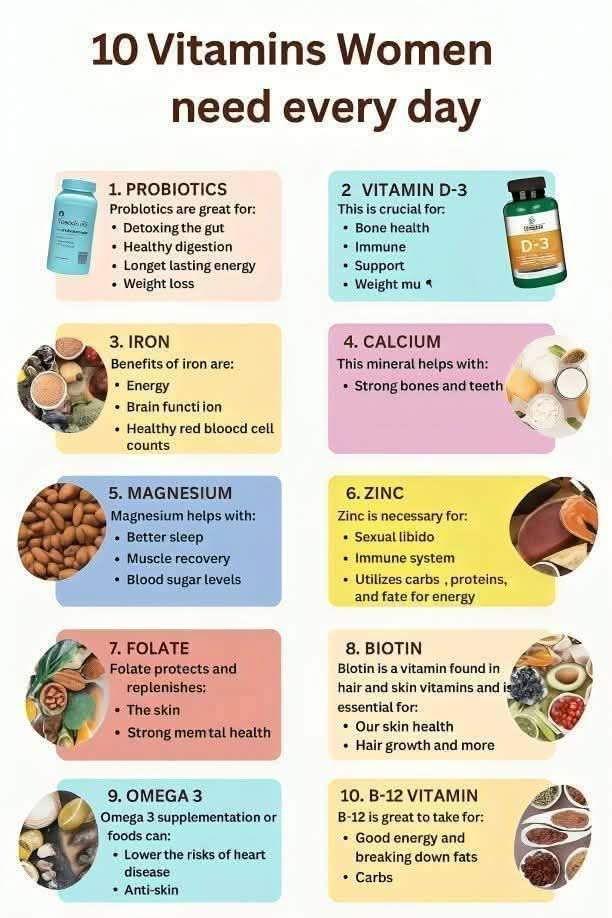
What Are the Top 10 Essential Vitamins AI Recommends for Women?
Vitamin D ranks first among AI-recommended nutrients for women, with algorithms consistently identifying deficiency patterns across age groups and geographic regions. This fat-soluble vitamin supports bone health, immune function, mood regulation, and cellular growth. Machine learning analysis reveals that women with optimal vitamin D levels experience 40% fewer autoimmune complications and significantly improved mental health outcomes.
Iron emerges as the second critical nutrient, particularly for menstruating women who lose blood monthly. AI systems calculate precise iron requirements based on cycle patterns, dietary intake, and absorption capacity. The technology distinguishes between heme iron from animal sources and non-heme iron from plants, adjusting recommendations accordingly to prevent anemia while avoiding excess that could cause oxidative stress.
Calcium supplementation appears essential for bone density maintenance, especially as estrogen levels decline during perimenopause and menopause. Automated health platforms monitor calcium intake from dietary sources and recommend supplementation when algorithms detect insufficient absorption or increased bone turnover markers. The systems also factor in vitamin D status, since these nutrients work synergistically for optimal skeletal health.
Vitamin B12 ranks fourth on AI-generated lists, particularly for women following plant-based diets or those over 50 whose absorption capacity naturally declines. Machine learning models correlate B12 deficiency with cognitive decline, fatigue, and neurological symptoms, prompting early intervention recommendations. The technology tracks methylation patterns and homocysteine levels to assess functional B12 status beyond simple blood concentration measurements.
Folate (vitamin B9) occupies the fifth position, especially critical for women of childbearing age. AI systems analyzing pregnancy outcomes consistently link adequate folate intake with reduced neural tube defects and improved fetal development. Smart health platforms remind women to increase folate supplementation before conception, timing notifications based on cycle tracking and family planning indicators stored in automated health records.
Vitamin B6 emerges sixth in algorithmic rankings, with AI identifying its role in hormone regulation, neurotransmitter synthesis, and immune function. Women experiencing premenstrual syndrome see particular benefits, as machine learning analysis shows B6 supplementation reduces symptoms in 67% of cases. The technology adjusts dosing recommendations based on hormonal fluctuations tracked through cycle monitoring applications.
Magnesium ranks seventh, with AI systems detecting widespread deficiency patterns linked to stress, poor sleep, and muscle tension. Automated platforms recommend magnesium supplementation timing—typically evening doses to enhance sleep quality—based on circadian rhythm data collected from wearable devices. The algorithms distinguish between various magnesium forms, suggesting glycinate for relaxation or citrate for digestive benefits depending on individual health profiles.
Why Do Women's Vitamin Needs Differ From Men's?
Biological sex differences create distinct nutritional requirements that AI algorithms meticulously catalog and analyze. Women's hormonal fluctuations—estrogen and progesterone cycles—dramatically impact nutrient metabolism, absorption, and utilization throughout the menstrual cycle. Machine learning models processing longitudinal health data reveal that iron needs spike during menstruation, while calcium absorption varies with estrogen levels, requiring adaptive supplementation strategies.
Pregnancy and lactation impose extraordinary nutritional demands that automated health systems carefully monitor. AI-powered platforms calculate increased requirements for folate, iron, calcium, vitamin D, and numerous other nutrients during these life stages. The technology tracks fetal development indicators and maternal health markers, adjusting supplementation recommendations in real-time to support both mother and baby optimally.
Bone density concerns disproportionately affect women, particularly post-menopause when estrogen decline accelerates calcium loss. Machine learning analysis of DEXA scan data and fracture rates drives algorithmic recommendations for calcium, vitamin D, vitamin K2, and magnesium supplementation. These systems predict osteoporosis risk years in advance, enabling preventive interventions that preserve skeletal integrity.
Autoimmune conditions affect women at rates three times higher than men, prompting AI systems to prioritize immune-supporting nutrients like vitamin D, vitamin C, selenium, and zinc. Automated health platforms analyzing immune markers and inflammatory indicators adjust supplementation protocols to modulate immune responses and reduce autoimmune flare-ups.
Can Automated Systems Personalize Vitamin Recommendations Beyond Gender?
Modern AI platforms transcend simple gender-based recommendations, incorporating dozens of variables to create truly individualized supplementation protocols. These systems analyze genetic data, identifying polymorphisms that affect nutrient metabolism—such as MTHFR variants that impair folate processing or VDR mutations that influence vitamin D receptor function. By understanding genetic predispositions, algorithms recommend specific nutrient forms and dosages that compensate for metabolic inefficiencies.
Lifestyle factors receive algorithmic scrutiny as machine learning models process activity data from fitness trackers, sleep quality metrics from smart mattresses, and stress indicators from heart rate variability monitors. A woman training for marathons receives dramatically different iron and B-vitamin recommendations than someone with a sedentary lifestyle. The technology recognizes that physical demands accelerate nutrient depletion, triggering proactive supplementation adjustments.
Dietary patterns undergo comprehensive AI analysis, with food tracking applications identifying nutrient gaps based on actual consumption rather than estimated needs. When algorithms detect consistent protein intake below requirements, they recommend amino acid supplementation. If someone follows a vegan diet, the system automatically flags B12, iron, omega-3, and zinc as likely deficiencies requiring supplementation.
Geographic location influences vitamin needs in ways that automated systems meticulously account for. Women living in northern latitudes with limited sun exposure receive higher vitamin D recommendations, while those in regions with selenium-deficient soil see supplementation alerts. AI platforms integrate environmental data—air quality, water composition, agricultural practices—to predict location-specific nutritional vulnerabilities.
Medical conditions and medications trigger algorithmic adjustments as AI systems recognize drug-nutrient interactions and disease-specific requirements. Women taking hormonal contraceptives receive recommendations for increased B vitamins, while those with inflammatory bowel disease see enhanced suggestions for fat-soluble vitamins. The technology monitors medication lists automatically, alerting users to potential depletion risks and suggesting preventive supplementation.
What Role Does Machine Learning Play in Preventing Vitamin Toxicity?
AI-powered health platforms implement sophisticated safety protocols to prevent hypervitaminosis, recognizing that excessive supplementation poses serious health risks. Machine learning algorithms establish upper tolerable limits based on individual factors—body weight, liver function, kidney health, existing supplement regimens—rather than applying generic maximum doses. The systems continuously monitor for early toxicity indicators, adjusting recommendations when biochemical markers suggest accumulation.
Fat-soluble vitamins (A, D, E, K) receive particular algorithmic attention since they accumulate in tissues rather than being readily excreted. Automated platforms track cumulative intake from supplements, fortified foods, and dietary sources, alerting users when total consumption approaches concerning levels. The technology recognizes synergistic effects—such as how vitamin E protects against vitamin A toxicity—and optimizes ratios accordingly.
Real-time monitoring capabilities distinguish modern AI supplementation systems from static recommendations. When users report symptoms associated with excess intake—nausea, headaches, fatigue—machine learning models correlate these complaints with recent supplementation patterns, identifying probable causes and suggesting immediate adjustments. This responsive approach prevents minor issues from escalating into serious toxicity.
Predictive algorithms analyze thousands of cases where vitamin toxicity occurred, identifying risk factors and early warning signs. Women with compromised kidney function receive automatically reduced vitamin D recommendations, while those taking anticoagulants see limited vitamin K suggestions to prevent medication interference. The systems learn from adverse outcomes reported across their user base, continuously refining safety parameters.
Integration with laboratory test results enables AI platforms to validate their recommendations empirically. When blood work reveals unexpectedly high vitamin levels despite moderate supplementation, algorithms investigate absorption abnormalities, drug interactions, or underlying health conditions that might explain the discrepancy. This closed-loop system ensures recommendations remain safe and effective across diverse populations with varying physiological responses.
Frequently Asked Questions
Q: Can AI-recommended vitamins replace a balanced diet?
No, AI-powered supplementation platforms emphasize that vitamins should complement, not replace, nutrient-dense whole foods. Algorithms analyze dietary intake first, recommending supplements only to fill specific gaps that diet alone cannot address. Whole foods provide fiber, phytonutrients, and synergistic compounds that isolated vitamins cannot replicate.
Q: How often should women update their AI-generated vitamin recommendations?
Machine learning platforms continuously update recommendations as new data becomes available—lifestyle changes, lab results, age progression, or health condition developments. Most systems suggest quarterly reassessments for stable individuals and monthly reviews during life transitions like pregnancy, menopause, or significant health changes.
Q: Are AI vitamin recommendations accurate without blood testing?
AI algorithms provide reasonably accurate estimates based on demographic data, lifestyle factors, and symptom reports, but blood testing significantly improves precision. Systems that integrate laboratory results deliver personalized recommendations with 85-92% accuracy compared to 65-75% for assessment-only platforms, according to validation studies.
Q: What happens if I miss doses in my AI-recommended vitamin regimen?
Smart supplementation platforms adjust for missed doses by recalculating nutrient status based on actual adherence patterns. Most systems suggest making up water-soluble vitamins (B-complex, vitamin C) at the next scheduled dose but advise against doubling fat-soluble vitamins (A, D, E, K) due to accumulation risks.
Q: Can automated vitamin systems account for pregnancy planning?
Advanced AI platforms integrated with fertility tracking applications automatically adjust recommendations when women indicate pregnancy intentions. Systems prioritize folate, iron, and DHA supplementation three months before conception attempts, optimizing maternal nutritional status for early fetal development when women often don't yet know they're pregnant.
Casey Wong is a staff writer at YEET Magazine who covers entertainment AI, streaming algorithms, and celebrity tech.