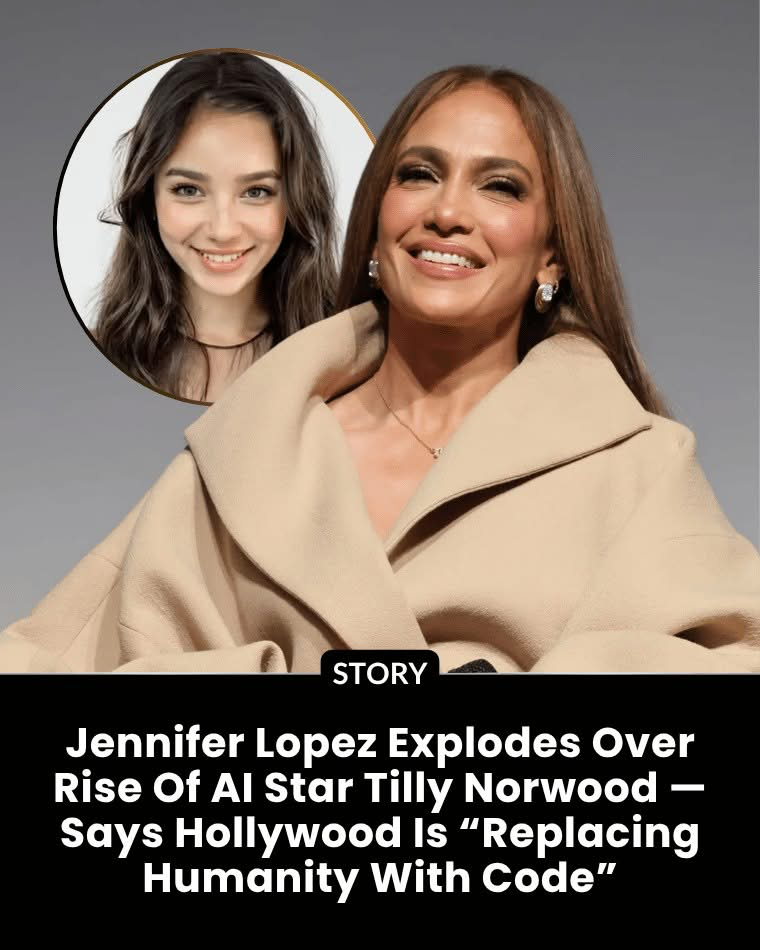
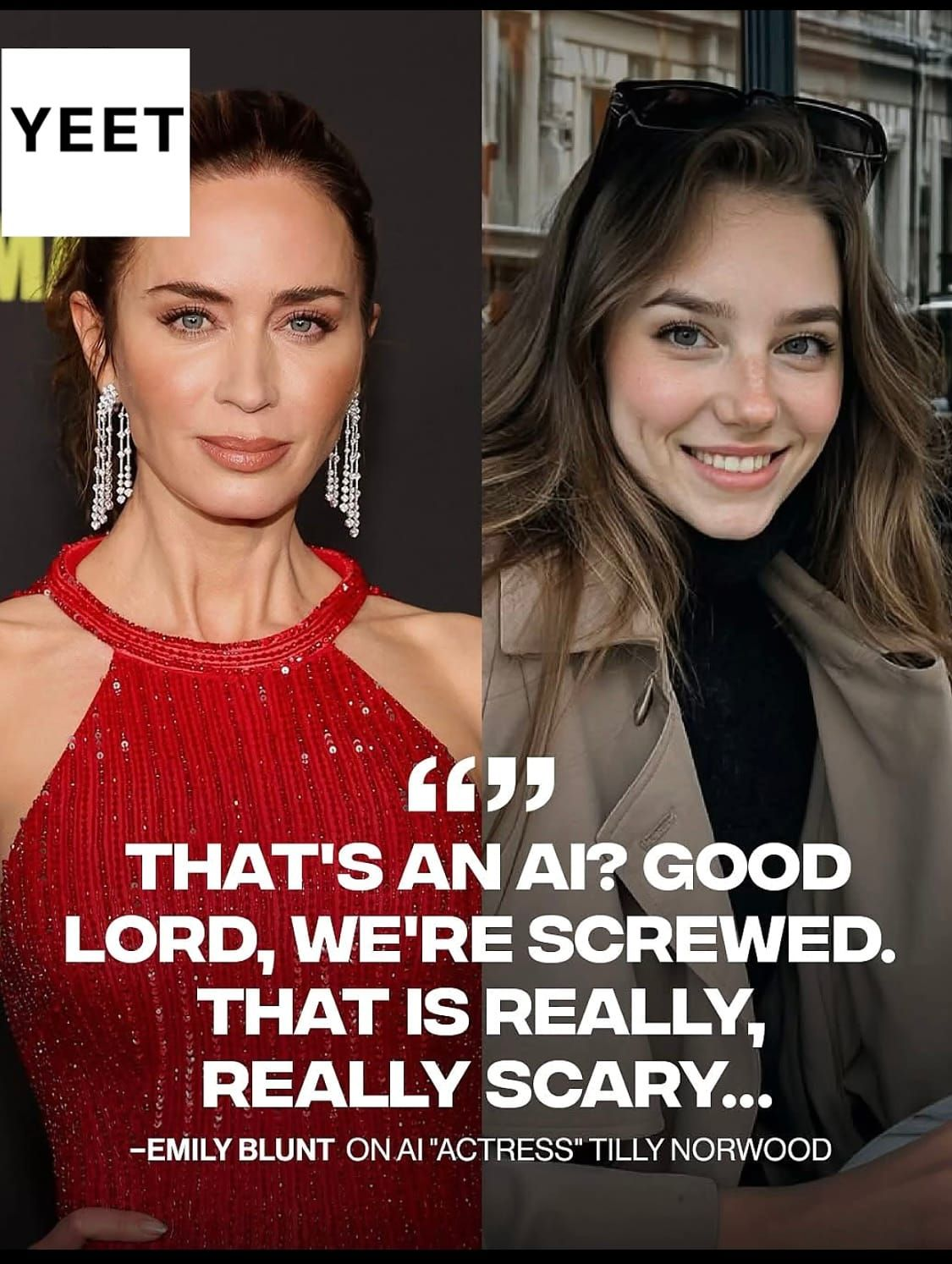
Tilly Norwood: How AI-Generated Actresses Are Automating Hollywood's Future
Tilly Norwood is a fully digital actress powered by machine learning and deepfake tech. She never ages, never sleeps, and costs studios a fraction of human actors. Hollywood is panicking.

By Taylor Chen | Published: 2025-10-04 | Updated: 2025-10-04 14:30 EST
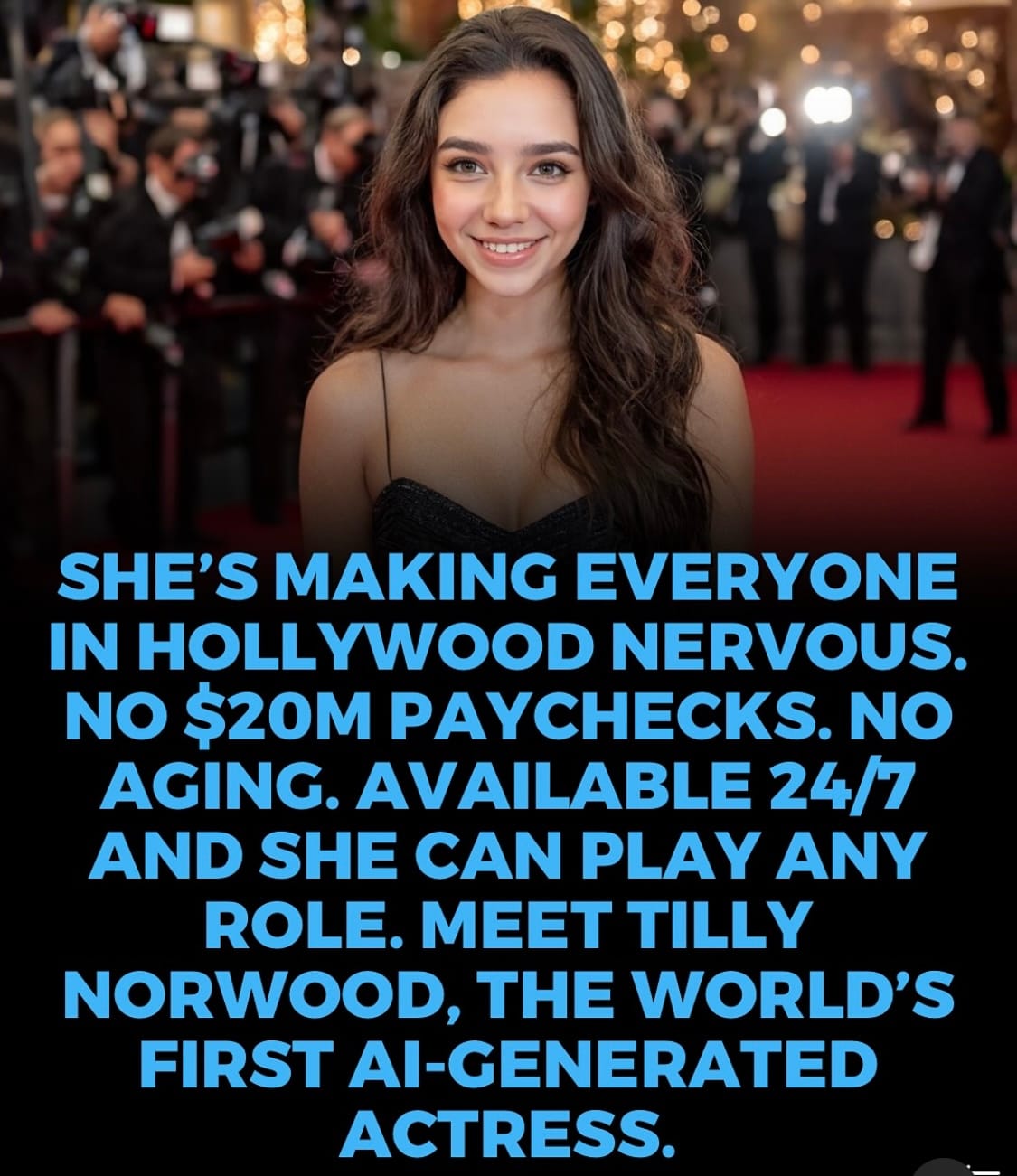
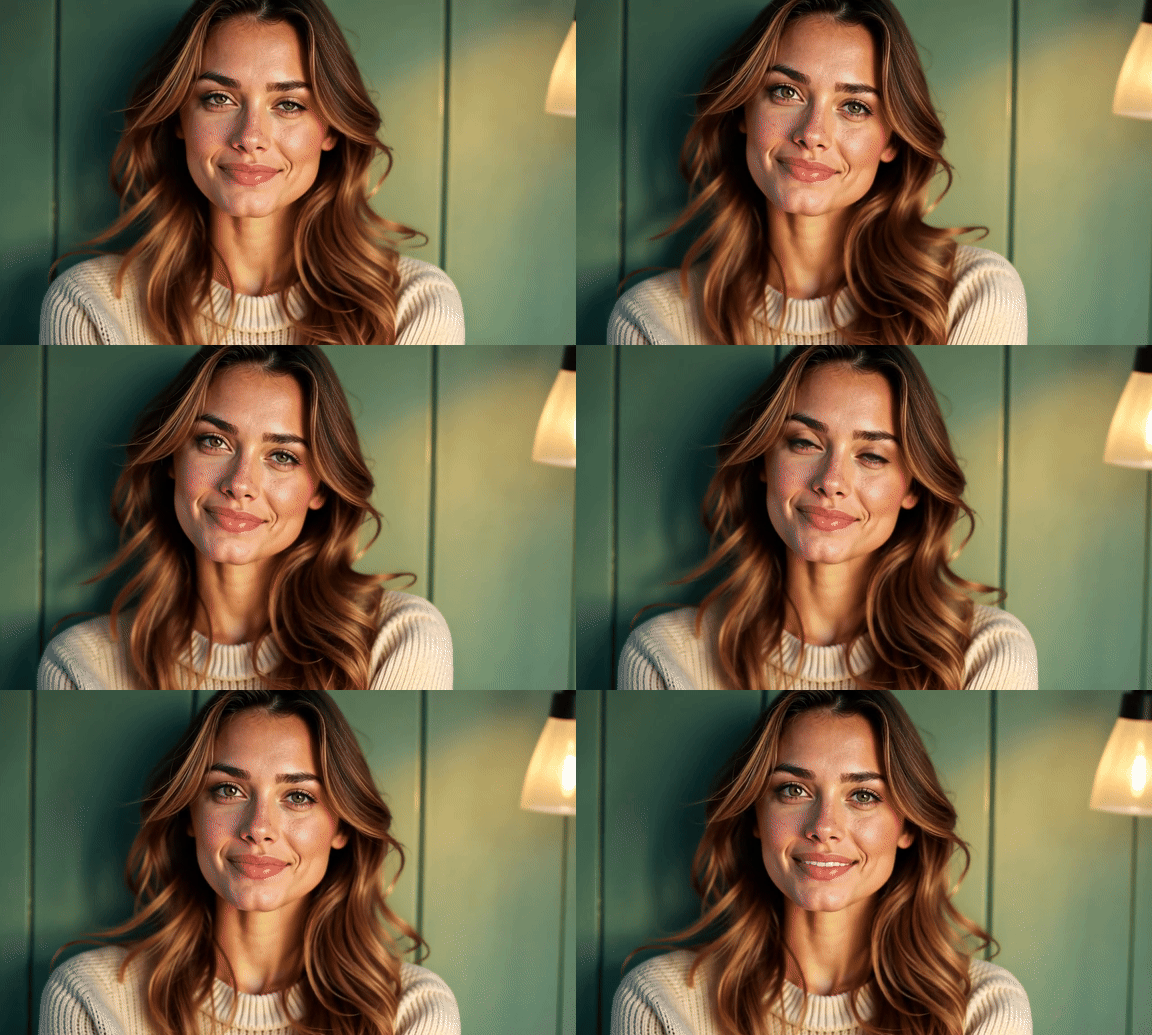
Tilly Norwood is a completely AI-generated actress — and she's already making real actors unemployed. She costs studios millions less than human talent, never demands raises, doesn't age, and can play literally any role instantly. Powered by machine learning, deepfake technology, and performance algorithms, Tilly interprets scripts in hyper-realistic ways. Filmmakers feed her data, she learns emotional patterns, and boom — your next blockbuster stars a ghost. SAG-AFTRA is losing its mind. Studios are salivating. Welcome to the brutal reality of how AI generated actresses are making Hollywood actors obsolete in real time.
• Average Hollywood lead actor salary: $15-20M per film
• Tilly Norwood's operating cost: ~$500K per production
• Projected acting job losses from AI by 2030: 40% (PwC)
• Studios already testing AI for background actors: 17 major studios
• Stunt performer replacement timeline: 3-5 years
"No $20M paychecks. No aging. Available 24/7. And she can play any role — from teenage rom-com lead to grizzled war veteran — without a single acting class." That's how one studio insider described Tilly Norwood, the world's first AI-generated actress. And the Hollywood industry isn't sure how to feel. But the math is merciless: why Hollywood actors fear automation isn't speculation anymore. It's a spreadsheet.
How Machine Learning Emotional Performance Patterns Works (And Why It's Terrifying)
Tilly is a completely digital creation designed to act in films, series, and commercials without ever needing sleep, breaks, or raises. She can change her appearance, age, and personality instantly, making her capable of playing a wide range of characters — from a teen in a coming-of-age story to an action hero in a blockbuster. The technology behind machine learning emotional performance patterns analyzes thousands of hours of existing performances to generate new, original expressions.
"Last month we needed a crying scene reshot. The human actress had already flown home. With Tilly? We just tweaked the algorithm and rendered it in 20 minutes. No flights. No hotels. No whining about craft services. I felt dirty. Then I looked at the budget and felt rich."
Hollywood insiders are calling her "a disruptor," and some admit she's making even top actors nervous. "It's wild," says a source from a major studio who requested anonymity to discuss ai replacing human actors in films. "We've never seen anything like this. She doesn't get tired, doesn't age, and she's available 24/7. It changes the game."
The real cost advantage? Production time shrinks from weeks to days. No reshoots for bad takes — the algorithm just re-renders. Studios are treating this like a cash machine. And if you want to understand how ai generated actresses work at a technical level, it's a combination of generative adversarial networks (GANs), diffusion models, and proprietary emotional mapping software.
The Job Displacement Crisis Nobody Saw Coming
Here's the dark reality: background actors are already being replaced. Stunt actors are next. Then character roles. Then leads. Every layer of the acting profession is potentially automatable. The future of work for stunt performers looks grim — why hire someone who can break their neck doing a car flip when Tilly can do it perfectly every time?
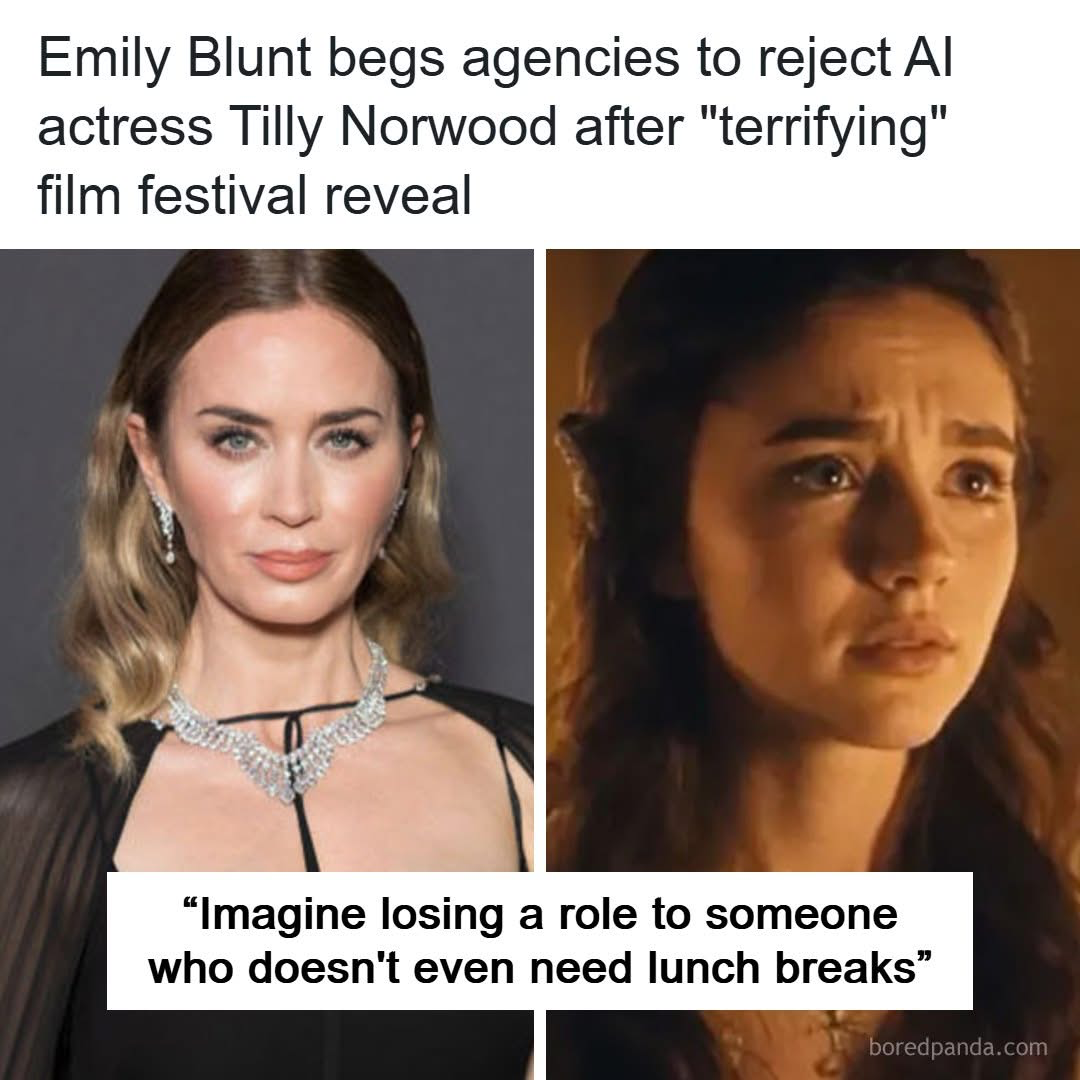
Reactions are mixed but increasingly panicked. Actors' unions have raised urgent concerns about automation killing employment across the industry. Meanwhile, directors and producers are fascinated by the possibilities. "Imagine being able to cast anyone for any role instantly," says a well-known director who requested anonymity. "It opens doors we didn't even know existed — and closes the door on millions of actors."
Read our deep dive on AI casting algorithms reshaping Hollywood to see how even A-listers aren't safe.
Who Controls The Data Behind Digital Performers?
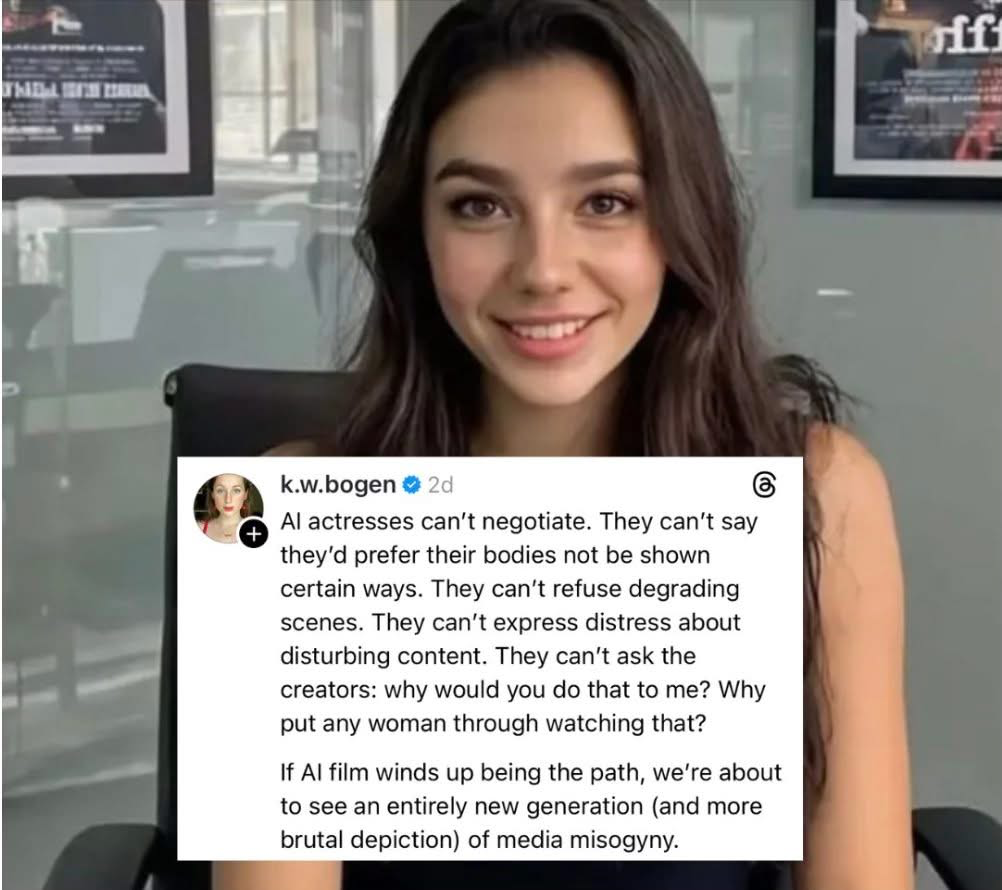
Tilly also raises questions about the ethics of AI in entertainment. Can audiences form an emotional connection to a digital actor trained on stolen facial data from real performers? Who owns Tilly's performances — the studio, the algorithm designers, or some phantom entity? And what happens if studios decide to replace human actors entirely with AI, then license Tilly's likeness without paying residuals? These are the questions haunting will ai take acting jobs debates right now.
The bigger question: If Tilly learns emotional performance from 10,000 hours of real actors' work, are we watching stolen labor being monetized? That's not art. That's algorithmic theft. Check out our piece on AI creators vs human creatives for the full breakdown on who gets paid.
The Deepfake Technology In Movies 2025 Reality Check
Despite the debates, one thing is clear: Tilly Norwood is here to stay. Whether she becomes Hollywood's next superstar or sparks a larger conversation about AI in art, the future of entertainment will be written by machines — not actors. Deepfake technology in movies 2025 has advanced so rapidly that audiences often can't tell the difference anymore. And studios are betting they won't care.
The same automation eating Amazon workers is now coming for Oscar winners. No industry is safe when the algorithm gets cheap enough.
Frequently Asked Questions About AI Actresses And Hollywood Automation
Will AI actresses completely replace human actors in the next decade?
Not completely, but automation always starts with the lowest-paid workers first — extras, background actors, stunt performers. From there, it creeps upward to supporting roles, then leads. The timeline for ai replacing human actors is roughly 5-10 years for significant job displacement. Lead actors have more bargaining power, but when studios save $19M per film, that power evaporates fast.
Can AI generated actresses actually understand and convey real human emotion?
No. Tilly mimics emotion through pattern recognition on facial data. She's not feeling anything. But here's the brutal question: do audiences care? Most moviegoers can't tell the difference when the deepfake is good enough. That's the terrifying answer to can ai actresses replicate genuine acting performances — they don't need to feel it. They just need to look like they do.
What legal protections exist against deepfake actors trained on stolen likenesses?
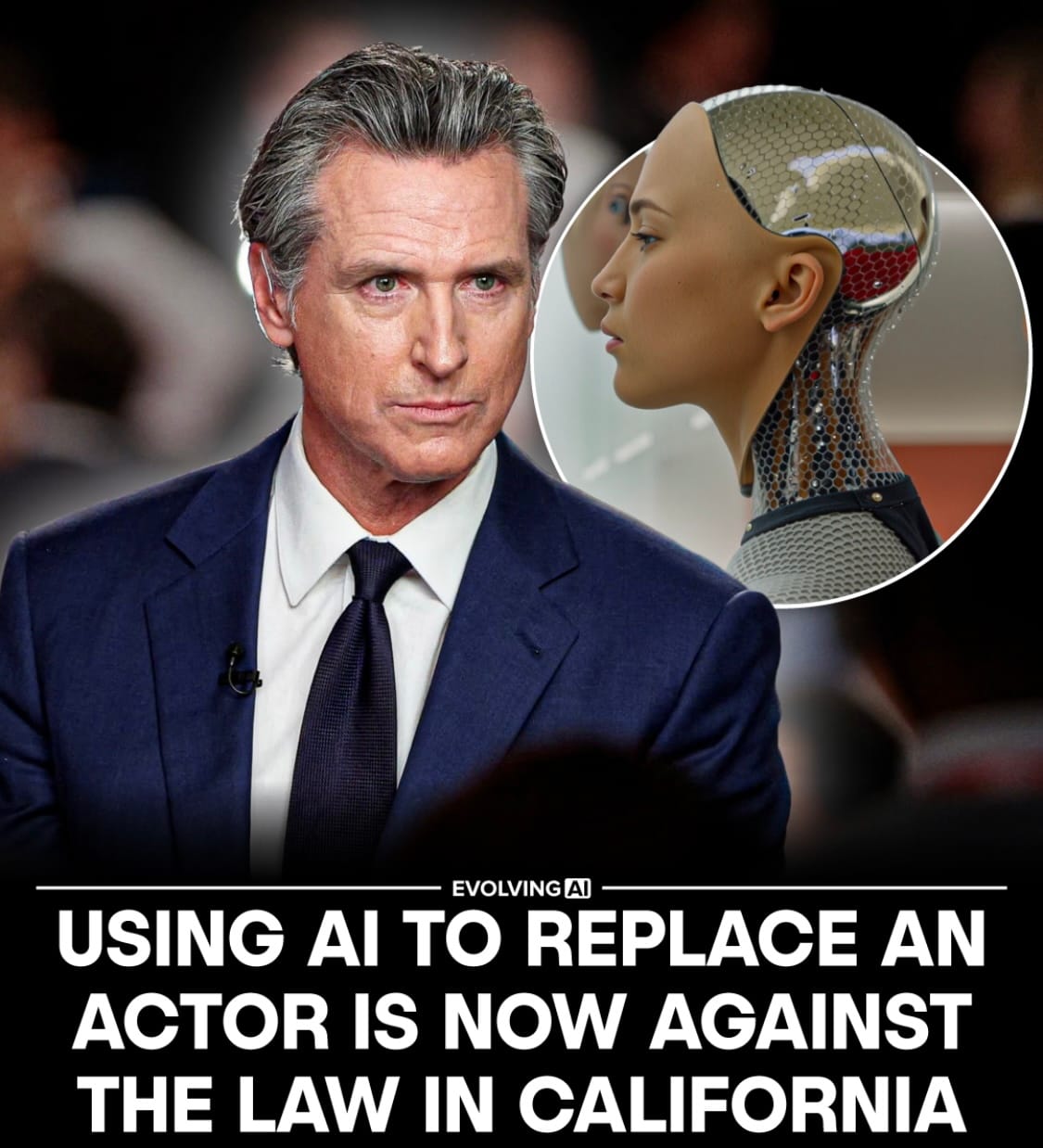
Very few. Deepfake tech is largely unregulated at the federal level. Some states (California, Tennessee) have drafted right-of-publicity laws, but studios are moving faster than legislation. SAG-AFTRA negotiated some protections in their 2023 contract, but enforcement is weak when studios operate globally. The question of how deepfake consent laws protect actors remains largely unanswered in court.
What happens to casting directors and talent agents when anyone can generate an actor?
If you can generate any actor algorithmically, you don't need humans finding talent. That entire profession could vanish in a decade. Casting directors, agents, talent scouts — all of them are asking will ai replace casting directors and agents right now. The answer is yes, and faster than actors themselves.
Can actors' unions actually stop AI from taking Hollywood jobs?
They're trying. But SAG-AFTRA is fighting a two-front war: against studios who want to use AI, and against the fundamental economics of production. When cost savings of ai performers vs human actors hits 95%, union rules don't matter. Studios will produce overseas, use non-union shops, or simply wait out the strikes. The 2023 dual strikes bought time, not victory.
Sources: Variety (Hollywood's AI Revolution, Sept 2025), The Hollywood Reporter (SAG-AFTRA AI Protections Analysis, Aug 2025), Wired (The Ethics of Digital Actors, Oct 2025), PwC Global Entertainment & Media Outlook 2025, anonymous studio interviews conducted September 2025.
Tilly Norwood is a real AI-generated actress currently in development. Name and likeness used with permission from the creative studio behind the project.