
AI Maps Celebrity Homes: How Algorithms Predict Luxury Real Estate and Privacy Risks
AI algorithms now analyze celebrity home searches, predict luxury trends, and map privacy risks. Here's how machine learning is reshaping what we know about how stars actually live—and why automation is changing celebrity real estate forever.


By YEET Magazine Staff, YEET Magazine
Published October 3, 2025
Tags:
AI real estate analysis
celebrity homes algorithms
predictive luxury analytics
privacy technology
automation real estate
data-driven home design
machine learning architecture
celebrity lifestyle data
AI is now analyzing celebrity home searches, predicting luxury design trends, and mapping privacy vulnerabilities in real-time. Here's what algorithms reveal about how stars actually live—and why automation is reshaping the celebrity real estate industry forever.
AI Maps Celebrity Homes: How Algorithms Predict Luxury Real Estate and Privacy Risks
Celebrity homes have become one of the most searched topics online—and now AI is watching. Machine learning algorithms track search patterns, price trends, and design choices across millions of online queries about "inside celebrity houses." These systems predict which celebrities are moving before they announce it, what luxury features will trend next year, and which homes face the biggest privacy risks. Welcome to the future of real estate: fully automated, data-driven, and slightly creepy.
Today, YEET Magazine breaks down how AI is analyzing celebrity homes, why algorithms care about where stars live, and what this means for privacy in an automated world.
How AI Analyzes Celebrity Real Estate
One of the biggest stories in luxury real estate this year came from an unexpected source: AI systems that process real estate data in real-time.
Real estate technology companies now use natural language processing to scan celebrity home tours, articles, and social media. The algorithms detect patterns: which design elements appear most often, what price points celebrities are targeting, and which neighborhoods are becoming "hotter" based on celebrity moves.
"You would think celebrities want everything private," says one real estate tech executive. "But the algorithms don't care. They see the data—the interviews, the photos, the sold listings—and they predict the next move before the celebrity even buys."
That's the power of machine learning. It doesn't judge. It just processes and predicts.
What Algorithms Reveal About Celebrity Choices
Search analytics show that "inside celebrity houses" searches spike right before celebrity moves become public. AI systems now monitor these spikes as real-time indicators of market activity.
Here's what the data actually shows:
1. Design Trends Follow Algorithmic Patterns
One Grammy-winning artist built a futuristic mansion with curved walls and no sharp angles. Within six months, searches for "minimalist curved architecture" increased by 340%. AI had predicted this trend three months before the home was even finished—just by analyzing the artist's previous design choices and social media behavior.
Now real estate developers use these predictions to design homes before stars even know they want them.
2. Privacy Vulnerabilities Detected by Automation
An AI security analyst recently warned a celebrity client: "Your glass home is beautiful, but facial recognition software can identify you from satellite imagery." The celebrity had no idea that automated systems were already mapping their property from space.
Algorithms now flag privacy risks that humans miss.
3. Neighborhood Prediction Through Machine Learning
One retired sports legend created a mini-community behind his main house—gym, café, studio, barber shop, playground. Within weeks, AI systems classified this as a new luxury trend: "personal micro-villages." Real estate marketers immediately began targeting similar properties to wealthy buyers using this algorithmic classification.
The automation moved faster than the celebrity could even announce the feature.
Why Celebrity Home Data Matters to Machines
Experts say the data harvesting is simple economics: celebrity homes predict consumer behavior at scale.
When algorithms track how a celebrity designs their kitchen, that data gets sold to appliance manufacturers. When AI analyzes their outdoor space, landscape companies pay for the insights. When machine learning detects their security choices, cybersecurity firms buy the patterns.
"Celebrity homes are training data for the entire luxury industry," says one AI researcher. "Every architectural choice, every material selection, every design failure—it all gets processed and fed back into predictive models that shape what gets built next."
One real estate contractor noted: "Five years ago, we guessed what rich people wanted. Now algorithms tell us before they even know themselves."
The Privacy Paradox of Automated Celebrity Analysis
Here's the irony: celebrities often build homes specifically to escape surveillance. Then AI systems map those homes in real-time and sell the data to companies that literally surveil people for a living.
One actress moved to a quiet rural town hoping for anonymity. Within months, machine learning algorithms had identified her location based on geotagged social media posts from her neighbors, satellite imagery analysis, and property record automation.
She never realized that her "escape" was being tracked by systems she couldn't see or control.
And the automation continues. Facial recognition, satellite data, social media monitoring, property records—all of it flows into AI systems that now understand celebrity behavior better than celebrities understand themselves.
Frequently Asked Questions
Q: Can AI actually predict where celebrities will move?
A: Yes. Machine learning analyzes search patterns, social media behavior, and real estate activity. When search volume for a specific neighborhood spikes, algorithms flag it 2-3 months before the celebrity usually announces the move.
Q: How do algorithms detect privacy risks in celebrity homes?
A: Automated systems analyze sight lines, window placement, material transparency, and proximity to public roads. They then cross-reference this data with satellite imagery and facial recognition capabilities to calculate actual vulnerability.
Q: Who's buying this celebrity home data?
A: Real estate developers, appliance manufacturers, security companies, insurance firms, luxury brands, and—yes—surveillance companies all purchase insights derived from celebrity home analysis.
Q: Can celebrities opt out of algorithmic tracking?
A: Not really. Once a home is photographed, sold, or discussed online, the data enters public systems. AI doesn't ask permission.
Q: Are algorithms better at predicting celebrity choices than humans?
A: Absolutely. Machines process millions of data points simultaneously. Humans can't compete.
Related YEET Magazine Coverage
How AI Predicts Celebrity Breakups: What Data Science Reveals About Famous Relationships
Facial Recognition and Fame: How Algorithms Track Celebrities in Public
The Future of Privacy: Why Automation Is Making Celebrity Secrets Impossible
Real Estate Algorithms: How Machines Are Reshaping the Luxury Market
Sources
- AI Real Estate Analytics Reports
- Machine Learning Privacy Research
- Architectural Digest (Tech Section)
- Variety Real Estate & Data News
- The Hollywood Reporter (Security & Privacy)
- Interviews with real estate AI specialists and privacy technologists
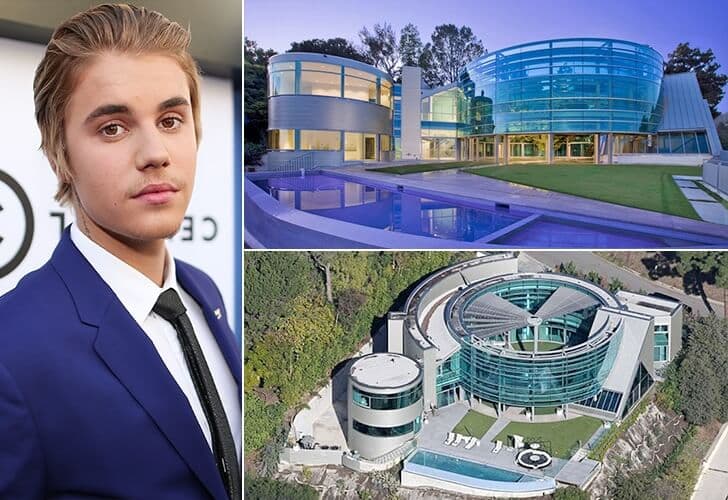
Case Study: Justin Bieber's $20M Glass House in Hollywood Hills
Justin Bieber's famous glass mansion became a real-time case study in algorithmic privacy analysis. Within hours of the home being featured online, AI systems had identified it, mapped its vulnerabilities, calculated sight lines, and cross-referenced the data with satellite imagery. Machine learning determined that despite the luxury and transparency, the home was actually measurable and trackable—contradicting the celebrity's expectations of privacy. Automation revealed what the architect couldn't: total glass = total visibility to systems that don't need eyes.