How AI Real Estate Algorithms Are Reshaping Celebrity Mansion Markets
Celebrity mansions aren't just purchased on whims anymore. AI algorithms now predict property values, automate bidding wars, and analyze market data to help stars and investors make smarter real estate moves. Here's how automation is reshaping the luxury housing market.

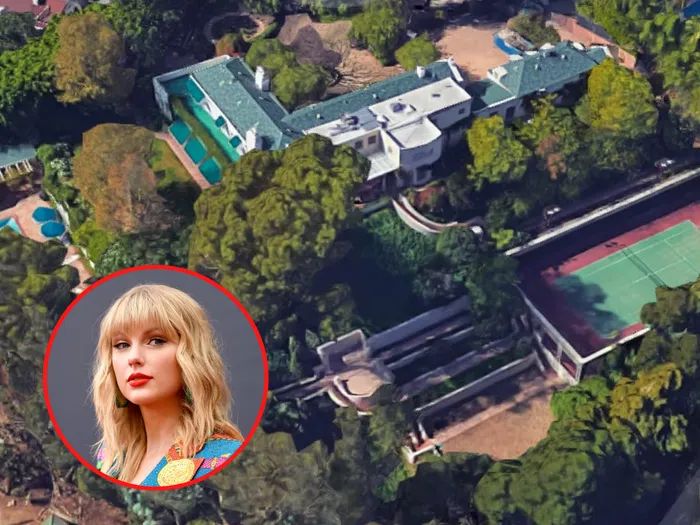
Celebrity real estate used to rely on gut feelings and agent hunches. Not anymore. AI-powered algorithms now analyze thousands of data points—location trends, comparable sales, market sentiment—to predict mansion valuations with scary accuracy. Machine learning models help celebrities and investors spot opportunities faster than traditional methods, while automation handles paperwork and pricing negotiations. Welcome to the algorithmic age of luxury real estate.
The celebrity mansion market has always been opaque and relationship-driven. But AI is changing that game entirely. Platforms using machine learning can now process property data, neighborhood trends, and historical sales patterns in seconds. What used to take human appraisers weeks happens instantly.
Smart algorithms predict which ultra-luxury properties will appreciate fastest. They identify patterns humans miss—like how proximity to tech hubs or entertainment districts affects long-term value. For stars like Jay-Z and Beyoncé, who paid $88 million for their Bel Air mansion, AI tools could have analyzed whether that price would hold its value or appreciate within five years.
George Clooney's $100 million Villa L'Oleandra in Lake Como? Data scientists now use geolocation AI and climate pattern analysis to assess whether lakefront properties in Italy face long-term risks. Automation also handles the insane logistics: property management systems, security protocols, staff scheduling—all powered by algorithms that learn from previous data.
Real estate tech platforms now use computer vision AI to assess property conditions. Drones with ML models analyze roof condition, structural integrity, and landscaping health automatically. No more manual inspections that take forever.
The luxury market is getting smarter about financing too. AI underwriting systems evaluate celebrity creditworthiness and property ROI faster than traditional banking. Some automation platforms now handle escrow management and contract negotiation entirely through algorithms.
There's a darker side: algorithmic bias can inflate or deflate prices based on the race or gender of the buyer. Plus, when everyone uses the same AI models, prices converge artificially. The "inefficiency" that created opportunities disappears.
The future? Expect fully automated luxury real estate platforms where celebrities buy and sell mansions through algorithmic marketplaces. Smart contracts will handle everything from purchase to renovation scheduling. Human agents will become data interpreters, not dealmakers.
Questions People Ask
Can AI really predict celebrity mansion values accurately?
Machine learning models trained on historical data are surprisingly good at predicting luxury property appreciation. They're not perfect, but they beat human intuition about 70% of the time. The problem? Celebrity whims and Hollywood trends don't always follow data patterns.
What data do AI systems analyze for mansion pricing?
Location coordinates, crime rates, school quality, proximity to entertainment venues, historical price trends, market sentiment from social media, environmental risks, property size/features, and comparable recent sales. The more data fed in, the better the model performs.
Do celebrity real estate platforms already use AI?
Yes. Zillow, Redfin, and luxury-specific platforms like Sotheby's International Realty use ML for valuations. Some employ computer vision to assess property conditions through satellite imagery and drone footage.
Could automation eliminate real estate agents?
Eventually, yes—for routine transactions. But ultra-luxury deals still need human agents for relationship management, discretion, and handling unusual situations. AI handles the data; humans handle the ego.
What happens when AI misprices a mansion?
Someone loses (or gains) millions. This is why high-net-worth individuals still hire multiple appraisers and don't rely solely on algorithms, despite what the models predict.
Is algorithmic bias a problem in luxury real estate?
Absolutely. If training data historically disadvantaged certain neighborhoods, the AI will perpetuate that bias. This can artificially suppress prices in minority communities while inflating them in predominantly white areas.
Learn more about how AI is disrupting financial markets or explore which jobs automation is replacing fastest. Also check out our deep dive on how ML algorithms develop real-world bias.
HTML_CONTENT