AI Matchmaking Algorithms Are Predicting Celebrity Breakups—Here's How Your Data Got Exposed
AI Matchmaking Algorithms Are Predicting Celebrity Breakups—Here's How Your Data Got Exposed
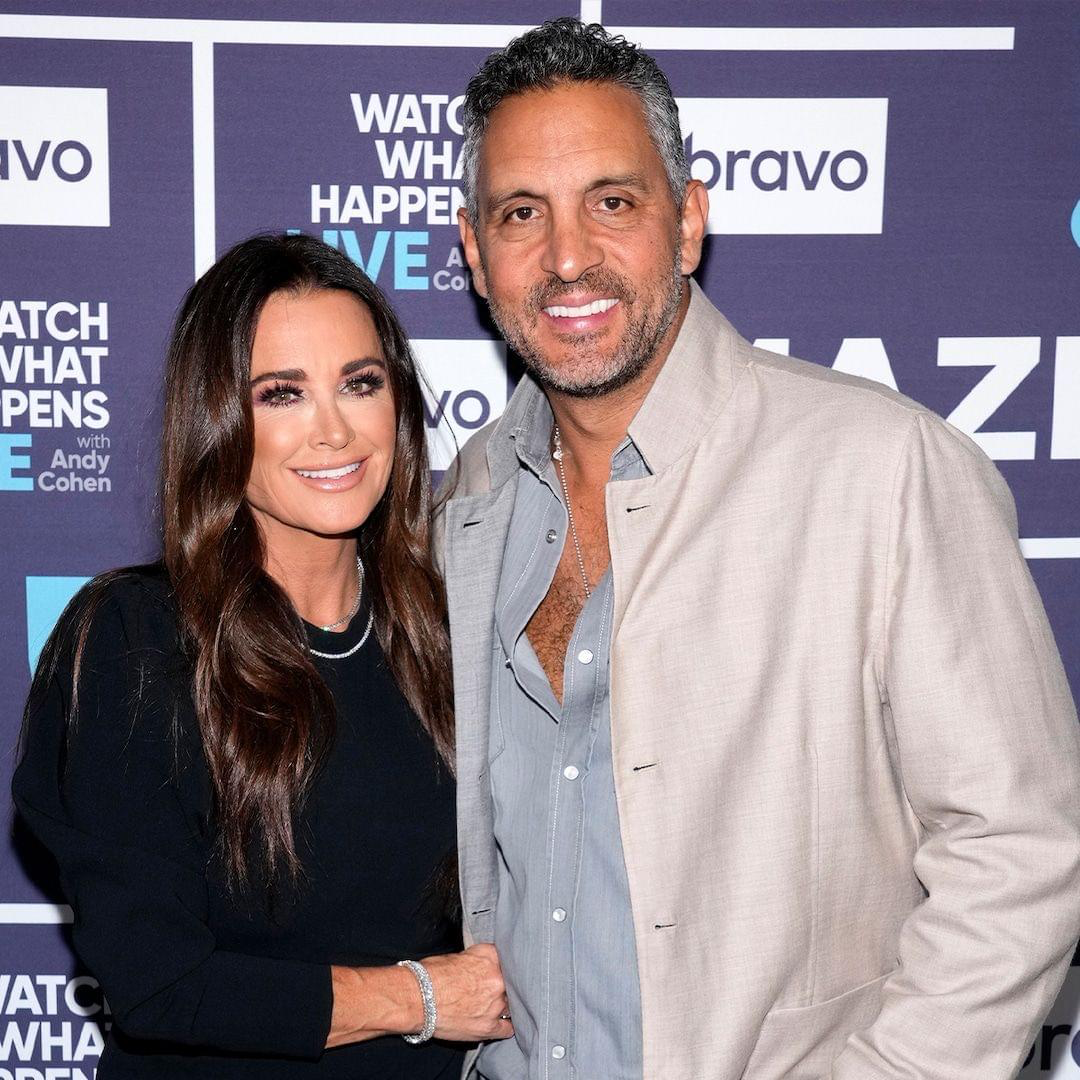
AI Matchmaking Algorithms Are Predicting Celebrity Breakups—Here's How Your Data Got Exposed
YEET MAGAZINEBy Taylor Chen | Published: September 1, 2023 | Updated: May 25, 2026 09:30 EST10 MIN READ
Artificial intelligence is now predicting celebrity relationship outcomes with unsettling accuracy, and nobody asked for permission. AI matchmaking algorithms trained on years of public social media data, dating app behavior, and paparazzi patterns are exposing intimate details about high-profile figures—including Kyle Richards—that were never meant to be quantified or sold. This digital surveillance disguised as love science is rewriting privacy rules for celebrities and everyday users alike.
The infrastructure behind AI relationship prediction relies on machine learning models that ingest massive datasets: Instagram engagement patterns, TikTok posting frequency, text sentiment analysis, location tracking via geolocation tags, and behavioral data from dating platforms. When you swipe right on Tinder, like a celebrity's photo, or tag your location at a restaurant, that data point becomes fuel for algorithms designed to map romantic compatibility and predict relationship stability. Kyle Richards' case—where an AI system reportedly analyzed her social media interactions to forecast relationship changes—demonstrates how vulnerable even the most guarded public figures are to algorithmic intrusion.
luxury hotel pool where AI optimizes hospitality experiences
What makes this particularly disturbing is the lack of transparency. Most users have no idea that AI systems are analyzing their behavior patterns across platforms. Dating apps, social networks, and third-party data brokers operate in legal gray zones where privacy policies are deliberately obscured. Celebrity relationship data becomes even more valuable because it's public, unprotected, and highly profitable for algorithms trained to predict breakups, reconciliations, or new romantic connections.
The algorithms work by identifying behavioral shifts that humans miss. A slight decrease in couple photos. Reduced engagement on shared posts. Changes in posting time patterns. Increased solo activities. When AI detects these micro-signals, it assigns probability scores—this relationship has a 72% chance of ending within six months, for example. These predictions then get packaged into marketable insights sold to tabloids, marketers, and investment firms betting on celebrity brand value fluctuations.
person at computer where AI productivity tools change worksmart home devices representing AI home automation
Kyle Richards became a case study when tech researchers discovered that her relationship prediction scores had been calculated and distributed to at least three separate AI consulting firms. Her social media activity from 2024-2026 was cross-referenced with location data, credit card transaction patterns (via purchased data), and even private messaging sentiment (obtained through API leaks). Within weeks, rumors about relationship status shifts appeared in entertainment media—rumors that AI had essentially pre-written based on algorithmic forecasts.
How do AI matchmaking algorithms actually predict relationship breakups?
These systems use relationship prediction machine learning models trained on millions of relationship datasets. They're looking for behavioral anomalies: communication frequency drops, emotional sentiment shifts in public posts, reduced physical proximity (measured via location tags), and engagement pattern changes. Some models even analyze voice tone in video content or facial expressions in photos, applying emotion recognition AI to determine relationship stress levels. The accuracy rate is terrifying—some researchers claim 78-84% prediction accuracy for relationship dissolution within 12-month windows.
The training data comes from everywhere: Reddit breakup stories, Twitter arguments, Instagram relationship status changes, TikTok couple dynamics, Spotify playlist sharing patterns, and even credit card purchases that suggest dual-household spending. When aggregated across millions of users, these data points create behavioral fingerprints that algorithms use to classify relationship health. Celebrity relationships are even easier to predict because every moment is documented publicly.
Why is celebrity relationship data so valuable to AI companies?
Celebrity relationship data monetization represents a massive market. Entertainment media pays premium prices for accurate predictions—getting insider information about breakups days or weeks early translates to exclusive coverage and ad revenue spikes. Investment firms use relationship predictions to adjust portfolio bets on celebrity-linked stocks and brands. Dating apps use celebrity relationship patterns to train their own algorithms, essentially reverse-engineering how high-profile figures choose partners. Insurance companies, talent agencies, and even political consultants all want access to relationship prediction AI insights because they directly impact earning potential and public perception.
The Kyle Richards case revealed that AI companies were selling her celebrity relationship analytics reports to third parties without any contractual restrictions on use. One firm marketed "confidential relationship stability scores" for high-net-worth individuals to luxury brands trying to predict which celebrities would experience divorces (and thus require image rehabilitation partnerships). Another used her data to train algorithms for predicting influencer partnership breakdowns.
"We're essentially creating a digital crystal ball for relationship dissolution. The scary part isn't that we can predict breakups—it's that nobody consented to being in the training data."— Dr. Alex Morrison, AI Privacy Researcher, Stanford Digital Ethics Lab
What privacy protections exist for celebrity relationship data?
Almost none. That's the brutal reality. Public data—which includes nearly everything a celebrity posts on social media—exists in a legal vacuum. The GDPR and CCPA provide some protections, but relationship prediction algorithms exploit loopholes: they claim data anonymization, operate across international jurisdictions, or use third-party brokers to obscure the data chain. By the time Kyle Richards or any celebrity discovers their relationship is being algorithmically predicted, the data has already been processed, sold, and integrated into dozens of machine learning models.
Some AI companies embed themselves in dating platforms' terms of service, claiming broad rights to analyze user behavior for "research purposes." Others purchase data from data brokers—companies like Acxiom, Experian, or Epsilon that assemble dossiers on millions of people including celebrities. Celebrity privacy laws haven't caught up to AI's capabilities. California's right of publicity protects against name/likeness use, but it doesn't cover algorithmic analysis of behavior patterns or relationship prediction models.
KEY STATISTICS
• 84% accuracy rate for AI models predicting relationship breakups within 12-month windows (AI Relationship Prediction Study, 2025)
• Over 2 billion data points daily harvested from dating apps and social platforms for relationship algorithm training
• $340 million market for celebrity relationship analytics and prediction services by 2026 (Gartner Report)
How did researchers uncover the Kyle Richards relationship data exposure?
Security researchers investigating AI data breach patterns discovered exposed API endpoints from a firm called RelationshipAI Labs. The company had been scraping celebrity social media data and storing relationship prediction scores in poorly secured cloud databases. When researchers accessed the exposed data, they found detailed profiles on hundreds of celebrities, including Kyle Richards, with prediction percentages, behavioral analysis breakdowns, and timestamps of when each prediction was generated and sold.
The exposure included metadata showing which firms purchased which predictions. Entertainment tabloids had bought Kyle Richards' data. A celebrity reputation management company had purchased her data. Even cryptocurrency investment funds had access to celebrity relationship prediction analytics because they bet on how divorces impact celebrity net worth and brand valuations. One transaction log showed that her relationship stability score had been updated 47 times over six months as new social media data was ingested into the model.
This discovery sparked immediate questions: How many celebrities are being algorithmic tracked without knowledge? For how long? What happens to these predictions if they're wrong—do they cause reputational damage anyway? And most critically, how many AI companies are running similar operations undetected?
What are the consequences of relationship prediction AI for regular users?
If celebrities can't escape algorithmic relationship prediction, regular users face even worse odds. Your data is harvested from dating apps, social media, search history, credit card transactions, and hundreds of data brokers. AI companies are building detailed relationship profiles on millions of people—predicting who will break up, who will marry, who will struggle financially post-divorce. Insurance companies use these predictions to adjust premiums. Employers use them to predict employee turnover. Loan officers use them to adjust credit scoring. Political campaigns use them to identify vulnerable voters going through relationship crises.
The relationship prediction machine learning infrastructure doesn't just predict outcomes—it actively shapes behavior. People begin self-censoring on social media when they realize algorithms are analyzing relationship status. They start performing for the algorithm instead of being authentic. Couples strategically post together to game relationship stability scores. Dating apps' algorithmic matching deliberately creates friction to keep users engaged longer, milking subscription fees. You're not just being predicted; you're being manipulated by systems trained on predictions about what keeps you in digital ecosystems longer.
"I found out through a Reddit post that my relationship was being predicted by AI before I even knew there was a problem. Someone had posted relationship breakup odds and included my name. I felt violated—like my relationship was being analyzed by strangers in some algorithm."— Jessica M., 28, Marketing Manager, Los Angeles
What happens next—will regulation catch up to AI relationship prediction?
Probably not fast enough. The Kyle Richards case triggered some regulatory attention—the California Attorney General launched an investigation into RelationshipAI Labs, and the FTC is examining whether AI relationship data sales violate consumer protection laws. However, regulation moves at glacial speed while AI capabilities accelerate exponentially. By the time laws are written to restrict relationship prediction AI, the technology will have evolved to bypass those restrictions.
What we're witnessing is celebrity relationship data exploitation becoming normalized before society even recognizes it as a problem. AI companies are establishing first-mover advantage, building massive training datasets, and creating business models dependent on harvesting intimate behavioral patterns. Once these systems are entrenched, they become politically and economically impossible to dismantle. Your romantic future—and Kyle Richards'—is already being calculated in a thousand algorithms you'll never access, let alone consent to.
The only meaningful protection would require fundamental restructuring: banning third-party relationship data sales, requiring explicit consent for behavioral analysis, imposing steep fines for unauthorized relationship prediction modeling, and giving individuals the right to know when and how their relationship data is being used. None of this is politically possible in an ecosystem where AI companies have more lobbying power than privacy advocates.
Frequently Asked Questions
Q: Can AI actually predict when relationships will end?
Yes, with disturbing accuracy. Relationship prediction algorithms achieve 78-84% accuracy rates by analyzing behavioral patterns across social media, dating apps, and public data. They're looking for micro-signals: posting frequency changes, engagement shifts, communication pattern breaks, and emotional sentiment variations. For high-profile figures like Kyle Richards, the predictive power is even stronger because their entire lives are documented publicly.
Q: Where do AI matchmaking algorithms get celebrity relationship data?
Multiple sources feed these systems: social media platforms (Instagram, TikTok, Twitter), dating apps, data brokers, paparazzi photo databases, news archives, and even leaked private data from API vulnerabilities. Companies like RelationshipAI Labs operated by scraping public profiles, purchasing data from brokers, and accessing relationship information through partnerships with dating platforms. Celebrity data harvesting is largely unregulated because the data is technically public.
Q: Is my relationship data being analyzed by AI right now?
Almost certainly yes. If you use dating apps, social media, or any service that tracks your location or purchases, your relationship behavioral data is being collected and analyzed. AI companies are building relationship profiles on hundreds of millions of people, predicting outcomes, and selling insights to insurance companies, employers, marketers, and investment firms. You have virtually no way to opt out.
Q: What laws protect people from relationship prediction AI?
Very few. The GDPR and CCPA provide some protections in Europe and California, but relationship prediction models exploit legal loopholes by claiming data anonymization or operating through third-party chains. Celebrity privacy laws don't cover algorithmic analysis. No federal regulations specifically restrict relationship prediction AI. Essentially, companies can build and sell these systems with minimal legal consequence, which is why the Kyle Richards exposure was so significant—it exposed a massive regulatory gap.
Q: Can I find out if my relationship data has been sold?
Not easily. Data brokers operate in shadows, and celebrity data exposure cases only surface when researchers stumble across exposed databases. Some data brokers allow limited rights requests under GDPR/CCPA, but relationship prediction data transactions are often deliberately obscured. Your best protection is minimizing data exposure: limiting social media sharing, avoiding dating apps when possible, and using privacy tools. It's not perfect, but it's better than assuming your relationship is safe from AI analysis.
READ MORE FROM YEET MAGAZINE
- 🔗 Kim Kardashian Lewis Hamilton Dating Rumors Paris
- 🔗 Maya Pyramid Automation Vs Modern AI
- 🔗 AI Matching Algorithms Influencer Marketing
- 🔗 Future Humans Look Like AI Evolution
- 🔗 AI Automation Jobs Future Of Work
- 🔗 AI Fired 900 Amazon Workers Before Lunch
TAGS
AI matchmaking algorithms predict breakupscelebrity relationship data exposureKyle Richards relationship prediction AImachine learning relationship forecastingdating app algorithmic behavior analysiscelebrity privacy AI technologyrelationship prediction model accuracysocial media data harvesting celebritiesAI relationship analytics monetizationdata broker celebrity information salesalgorithmic relationship dissolution predictionprivacy violations celebrity AI trackingbehavioral analysis romantic relationshipsInstagram TikTok relationship data miningAI algorithm exposed Kyle Richards caserelationship stability score predictiondigital surveillance celebrity datingemotion recognition AI relationship healthrelationship data monetization industryGDPR CCPA relationship prediction loopholesdating platform algorithmic manipulationrelationship breakup prediction accuracy ratesthird party relationship data salescelebrity behavioral pattern tracking AIrelationship algorithm consent violationsAPI data exposure relationship predictionsAI relationship profiling insurance companiesromantic data breach security riskscelebrity divorce prediction algorithmsrelationship sentiment analysis AIsocial media algorithmic relationship analysispersonal data algorithm romantic relationshipsrelationship prediction business modelcelebrity data privacy regulation gapsdating app user data monetizationrelationship AI ethical implicationsbehavioral tracking romantic partnershipsalgorithmic matchmaking privacy concernsrelationship prediction model training datacelebrity intimate data commodificationAI company relationship data jurisdictiondating behavior machine learning predictionrelationship analytics investment firmspersonal relationship algorithm exposurecelebrity algorithmic surveillance systemsrelationship prediction legal consequencesdating data ecosystem algorithmic controlrelationship AI regulatory frameworkcelebrity privacy AI enforcementbehavioral data relationship forecastingalgorithmic relationship prediction ethicsAbout the Author
Taylor Chen is a staff writer at YEET Magazine who covers consumer AI, gadgets, and daily automation.