How AI Algorithms Are Secretly Reshaping Creator Monetization on Facebook, YouTube, and TikTok
How AI Algorithms Are Secretly Reshaping Creator Monetization on Facebook, YouTube, and TikTok
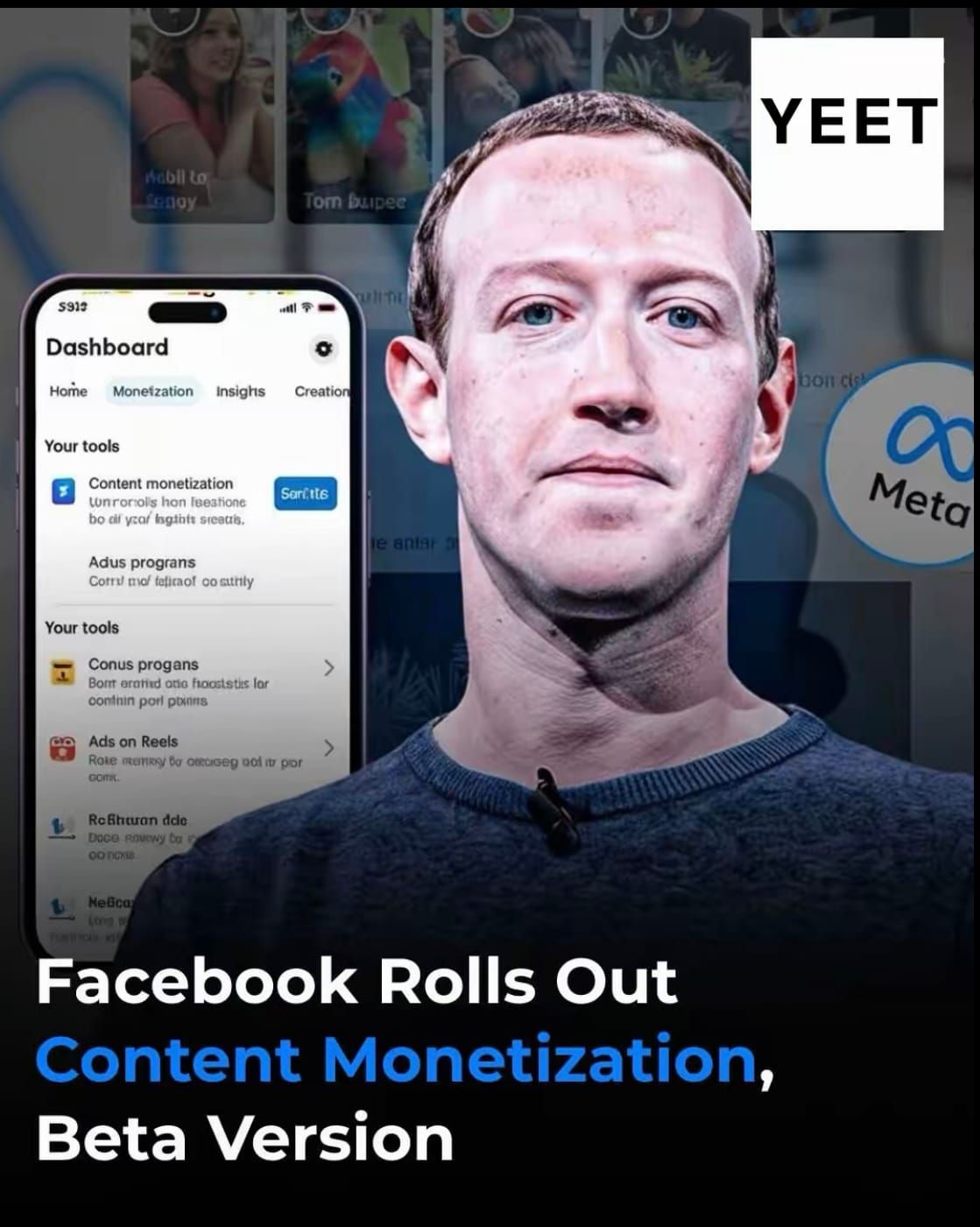
The digital landscape is shifting beneath our feet. As AI algorithms become more sophisticated, they are quietly rewriting the rules of creator monetization on platforms like Facebook, YouTube, and TikTok. What was once a straightforward path to revenue is now a complex dance with machine learning, and creators must adapt or risk being left behind.
These algorithms are not just recommending content—they are determining who gets paid, how much, and under what conditions. The future of work for creators is increasingly automated, and understanding this shift is crucial for anyone looking to thrive in the creator economy.
From Facebook's news feed to YouTube's recommendation engine and TikTok's For You page, AI algorithms are the invisible hand guiding viewer behavior and, by extension, creator earnings. This article delves into the mechanics of this transformation and what it means for the next generation of digital entrepreneurs.
Consider the case of a mid-tier YouTuber who saw their ad revenue drop by 40% overnight after an algorithm update. Or the TikTok creator whose viral video earned pennies because the platform's monetization algorithm favored longer watch times over sheer views. These stories are becoming common as AI-driven monetization becomes the norm.
The key takeaway? Creator monetization is no longer about just making great content—it's about understanding and optimizing for the AI algorithms that control the flow of attention and money. This is the new reality of the creator economy.
Platforms like Facebook are using machine learning to prioritize content that keeps users engaged longer, which often means favoring video over text or images. This shift has forced creators to pivot their strategies, investing in AI tools for editing, captioning, and even scriptwriting to stay competitive.
Meanwhile, YouTube has introduced AI-powered features like automated thumbnail generation and content ID matching, which directly impact monetization. Creators who fail to comply with these algorithmic standards risk demonetization or reduced visibility.
TikTok takes it a step further with its AI algorithm that can predict viral potential before a video is even posted. This has led to a new breed of creators who specialize in algorithmic optimization, treating content creation like a data science experiment.
For more insights on how AI is changing the game, check out our article on AI Content Creation Tools for 2025 and Social Media Algorithm Updates You Need to Know.
The future of work for creators is undeniably tied to automation. As AI algorithms become more advanced, they will not only recommend content but also create it, blurring the line between human and machine creativity. This raises important questions about creator monetization and the value of human input.
Already, we see AI-generated influencers on Instagram and TikTok amassing millions of followers and earning revenue through brand deals. This trend is likely to accelerate, forcing human creators to differentiate themselves through authenticity and unique perspectives.
For a deeper dive into AI and the future of work, read AI Automation and Job Displacement: What Creators Need to Know and Top Creator Economy Trends for 2025.
Ultimately, the relationship between AI algorithms and creator monetization is symbiotic. Creators who embrace AI tools and understand algorithmic dynamics will have a competitive edge. Those who resist may find themselves marginalized in an increasingly automated creator economy.
Frequently Asked Questions About AI Algorithms and Creator Monetization
How do AI algorithms affect creator monetization on Facebook?
Facebook's AI algorithm prioritizes content that drives engagement, such as video and interactive posts. Creators who optimize for these factors see higher reach and better monetization through ad revenue and brand partnerships.
What is the role of AI in YouTube monetization?
YouTube uses AI for content recommendation, ad placement, and copyright detection. Creators must adhere to algorithmic guidelines to maintain monetization status and visibility.
How does TikTok's algorithm impact creator earnings?
TikTok's AI algorithm determines which videos go viral, directly affecting creator monetization through the Creator Fund and brand deals. Understanding the algorithm is key to maximizing earnings.
Can AI replace human creators in the future?
While AI can generate content, human creativity and authenticity remain valuable. The future of work will likely involve collaboration between humans and AI rather than full replacement.
What are the best AI tools for creator monetization?
Tools like AI video editors, caption generators, and analytics platforms can help creators optimize their content for algorithmic success and improve monetization.
Samira Hassan is a staff writer at YEET Magazine who covers ethical AI, policy, and digital rights.