How AI-Powered Beauty Algorithms Are Replacing Traditional Modeling Scouts: Susan Miner's Take on Fashion's Tech Shift
AI is transforming how models are discovered and evaluated. In this exclusive interview, former Vogue model Susan Miner reflects on how automation and algorithms are reshaping the industry—and why human authenticity still matters in an algorithmic age.


AI-driven scouting algorithms now evaluate facial symmetry, trending aesthetics, and social media metrics faster than human scouts ever could. Susan Miner, former Vogue model turned motivational speaker, witnessed the industry's analog days—but acknowledges how automation is reshaping talent discovery. Today's modeling agencies use machine learning to predict which faces will trend, analyze casting data, and match models to brands algorithmically. Yet Miner argues that authentic presence—something no algorithm can fully capture—remains irreplaceable in an increasingly automated industry.
"When you accept yourself, you shine brighter." – Susan Miner
"Richard Avedon made me feel powerful in front of the camera." – Susan Miner
Source: YEET MAGAZINE exclusive interview with Susan Miner.
How Algorithms Are Reshaping Modeling Discovery
Susan, the modeling industry of your era relied on human judgment from scouts and photographers. Today, AI companies use facial recognition and predictive analytics to discover talent. How do you see this shift?
Susan Miner: It's wild, honestly. Back when I started, everything was gut feel and relationships. A scout would spot you on the street or at an event. Now, algorithms scan thousands of faces daily, looking for data points—symmetry ratios, trending features, predicted engagement rates. It's faster, but it's also flattening beauty into metrics.
The scary part? Young models now compete against AI-generated benchmarks. An algorithm might say "your face doesn't match the trending aesthetic," and that becomes rejection at scale. There's no human intuition to say, "Wait, this person has something special that data can't measure."
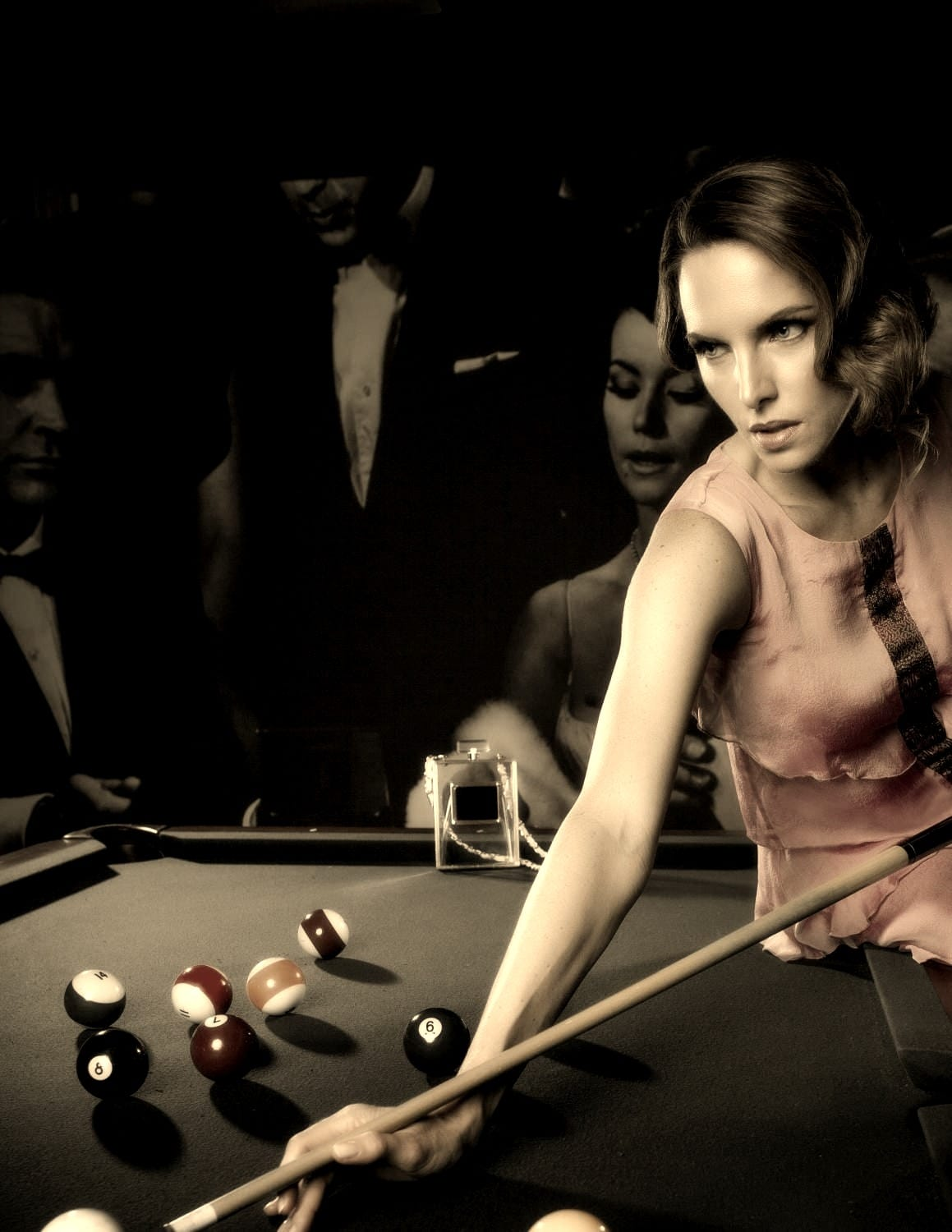
Behind the scenes with legendary photographer Richard Avedon. Susan Miner recalls the moments that taught her the power of emotion in photography—something AI still struggles to automate.
You worked with Richard Avedon, whose portraits were fundamentally about capturing human essence. Can an algorithm replicate that emotional intelligence?
Susan Miner: No. Avedon didn't photograph faces—he photographed souls. He used psychology, timing, and an almost supernatural ability to make someone feel safe enough to reveal themselves. That's not data. That's human connection.
AI can analyze composition, lighting ratios, and aesthetic patterns in Avedon's portfolio. It can generate similar-looking images. But it can't create the moment where someone feels truly seen. And that's what made his work timeless—not the technical perfection, but the humanity.
Modern beauty tech is trying to automate the Avedon effect, and it's missing the entire point. A camera with perfect algorithms is still just a camera without a soul behind it.

Today, Susan Miner inspires audiences on how authenticity stands against automation—a message that resonates as AI reshapes creative industries.
Social media has created a data trail for every aspiring model. How does algorithmic casting change the pressure young models face?
Susan Miner: The data makes it brutal. Brands and agencies now track follower counts, engagement rates, and sentiment scores. An algorithm decides if your content "converts" before a human ever sees your portfolio.
When I modeled, rejection was personal but finite. You didn't get a job, you moved on. Now, rejection is quantified. "Your engagement rate is 2.3% below optimal," the algorithm says. That's rejection at the data level—it feels less human, more inevitable.
Young models are gaming the system, optimizing themselves for algorithms instead of developing as artists. They're performing for data instead of learning their craft. That's the real cost of automation in this industry.
What would you tell models starting their careers in an AI-optimized industry?
Susan Miner: Remember that algorithms measure engagement, not essence. An algorithm can't see your potential or your story—only your metrics. Don't let data define you.
Be kind to yourself. Yes, the industry is more automated now, but that doesn't mean your value is. Avoid toxic comparison traps—especially with AI-generated beauty standards that don't even represent real humans. Practice gratitude for your unique features, the ones algorithms might flag as "non-standard." Those are often the most memorable.
And develop skills algorithms can't replicate: presence, emotional intelligence, authenticity. Those are your competitive advantage against automation.

From fashion runways to public speaking stages, Susan Miner's journey proves that authentic presence beats algorithmic optimization.
Looking ahead, do you think human creativity will survive the automation wave in fashion?
Susan Miner: Absolutely. But it has to fight for it. The brands and photographers who win won't be the ones with the best algorithms—they'll be the ones who use technology as a tool, not a replacement for human judgment.
When you accept yourself in an algorithmic world, you shine brighter. That's not data. That's truth.
Key Insights: AI, Algorithms & the Future of Modeling
- AI-powered scout algorithms evaluate faces based on data, not intuition—potentially missing unique talent
- Predictive beauty analytics are flattening aesthetic diversity into measurable metrics
- Social media data has made modeling rejection quantified and harder to escape psychologically
- Emotional intelligence and authentic presence remain irreplaceable—for now
- Young models optimizing for algorithms risk losing artistry and personal development
Questions People Ask About AI in Fashion & Modeling
What is algorithmic casting? Algorithmic casting uses AI to analyze facial features, social media metrics, and engagement data to predict which models will succeed. Agencies input casting requirements, and the algorithm ranks candidates by data fit.
Can AI replace human scouts in modeling? AI can accelerate discovery at scale, but it struggles with capturing intangibles—presence, charisma, star potential. Most forward-thinking agencies use hybrid models: AI shortlists candidates, humans make final decisions.
How does automation affect model mental health? Quantified rejection, constant metric tracking, and algorithm-driven self-optimization create psychological pressure. Models report more anxiety when their "algorithmic value" is explicitly measured.
Will AI-generated models replace human models? Generative AI can create synthetic models, but brands still prefer authentic human connection. Expect hybrid futures: some campaigns with AI models, most with humans—at least for now.
How can models compete against AI? By leaning into human strengths: emotional authenticity, unique storytelling, real-world presence, and skills algorithms can't quantify. Personality and relatability still drive genuine audience engagement.
Related Articles on AI & Future of Work
Explore how automation is reshaping industries beyond fashion. Read about AI's impact on creative jobs and human authenticity in an algorithmic world. Or discover how data-driven hiring is changing recruitment across all sectors. Want to understand the bigger picture? Check out our guide to automation bias and how algorithms are quietly reshaping human decision-making.
Sources
- YEET MAGAZINE – Exclusive Interview with Susan Miner
- Richard Avedon Foundation
- AI in Fashion Research, Fashion Institute of Technology