How AI Algorithms Predict Fashion Trends: Inside Anine Bing's Data-Driven Style
Fashion brands now use AI and predictive algorithms to forecast trends before they hit mainstream. We explore how companies like Anine Bing leverage data science to blend Scandinavian minimalism with California cool—and what this means for your wardrobe.

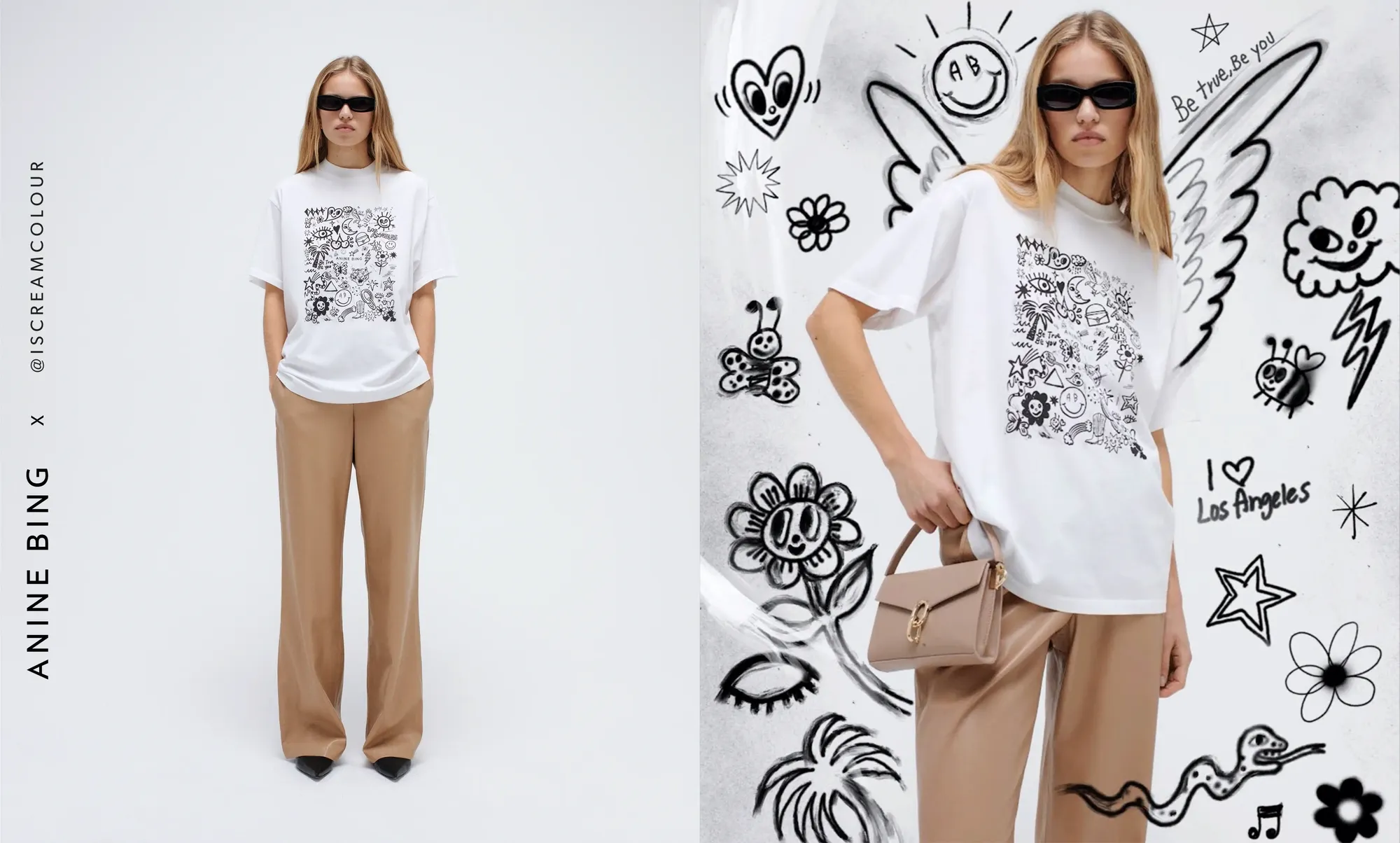
By YEET MAGAZINE, published February 19, 2025, 12:00 PM CET, updated at 12:30 PM CET.
How do brands like Anine Bing know what you'll want to wear six months from now? AI-powered trend prediction algorithms. These systems analyze social media data, search patterns, runway footage, and consumer behavior across millions of data points to forecast what styles will dominate. Anine Bing's signature blend of Scandinavian minimalism and California laid-back vibes isn't accidental—it's the result of machine learning models identifying the exact intersection of timeless design and trending aesthetics. By processing real-time fashion data, brands can stock inventory smarter, reduce waste, and serve you exactly what you're about to crave.
Fashion used to rely on intuition and seasonal guesswork. Now it's a data game.
Predictive algorithms scan millions of Instagram posts, Pinterest pins, TikTok trends, and search queries to spot emerging patterns. When certain color palettes, silhouettes, or materials start spiking across multiple platforms simultaneously, the algorithm flags it. Anine Bing's team uses this intel to decide which leather jackets, wool vests, and raffia bags make it to production.
The automation goes deeper than just picking trends. Computer vision AI analyzes competitor collections, street style photography, and celebrity outfits in real-time. This feeds into inventory management systems that automatically adjust stock levels based on predicted demand by region, season, and demographic segment.
There's a darker side too. Algorithmic recommendations can create filter bubbles where you only see certain aesthetics. The same AI that predicts trends also influences which products get shown to which customers, potentially narrowing your style options.
Supply chain automation is where things get wild. Once trends are predicted, AI coordinates with manufacturers, logistics networks, and warehouses to move products faster than ever. A piece that trends on Monday can be in stock by Thursday if the automation runs smoothly.
Personalization engines use your browsing history, purchase data, and even how long you hover over a product to serve custom recommendations. It's eerily accurate—and it's designed to be. The goal is conversion, not necessarily what's best for your closet.
Smart retailers are also using AI to detect micro-trends before they blow up. A niche community might obsess over a specific style weeks before mainstream fashion picks it up. Algorithms catch these early signals and give brands a head start on production and marketing.
The Data Behind Scandinavian-California Fusion
Anine Bing's aesthetic isn't random. Data science found the sweet spot: Northern European minimalism paired with West Coast relaxation. Algorithms identified that these two opposing design philosophies had overlapping fan bases and complementary values (sustainability, quality, simplicity). The brand's success proves that AI-driven market segmentation works.
Machine learning models also optimize pricing dynamically. If demand for a product spikes, prices adjust automatically. Conversely, if an item isn't moving, the algorithm can trigger markdowns or recommend it to different customer segments with better conversion chances.
What This Means for You
You're getting better product recommendations, but you're also increasingly living in an algorithmic bubble. Your feed shows you more of what you've already liked, potentially limiting discovery. Brands can predict what you'll buy before you realize you want it—which is convenient and unsettling in equal measure.
The future of fashion retail is hyper-personalized, inventory-optimized, and automated. Human designers still create—but algorithms decide what gets made, how much, and who sees it.
Shop Anine Bing's AI-Curated Collection
These pieces represent the algorithmic sweet spot between Scandinavian purity and California ease:


ANINE BING | Small Leah Hobo Raffia Effect Bag
LUISAVIAROMA.COM - 12% discount
Discount: 12%
BUY NOW


Common Questions About AI in Fashion
Can AI actually predict fashion trends accurately? Yes, but with caveats. Algorithms are excellent at identifying micro-trends and extrapolating from data. However, truly disruptive trends (like a sudden TikTok viral moment) can still surprise the models. The accuracy rate for established brands is typically 70-85% when predicting demand within a season.
Do fashion companies actually use AI for inventory decisions? Absolutely. Major brands use AI to forecast demand by location, season, and demographic. This reduces overproduction and waste—though it also means less variety if you're in a low-priority segment.
Is algorithmic recommendation ruining fashion diversity? Potentially. If you only see products the algorithm thinks you'll buy, you miss serendipitous discoveries. Some brands are starting to mix algorithmic picks with "random" recommendations to combat this.
How do algorithms decide which trends to amplify? They don't consciously decide—but they're trained on historical data that reflects existing biases. If the training data skews toward certain aesthetics or demographics, the algorithm will too.
What happens to unsold inventory that AI predicts wrong? It gets marked down, donated, or increasingly, sent to AI-powered resale platforms that use their own algorithms to find buyers.
Explore More on Fashion & Technology
For deeper dives into how automation is reshaping retail, check out our coverage of AI supply chain optimization and the ethics of algorithmic personalization.
Curious about how data science is disrupting other industries? Read our piece on automation's impact on the future of work.