
AI Algorithms Expose Hidden Ingredients: What Machine Learning Reveals About Your Food
AI and data analysis are exposing the hidden ingredients brands don't advertise. From shellac-coated candies to carbon monoxide-treated meat, algorithms reveal what's really in your food.

By YEET MAGAZINE Updated 0118 GMT (0918 HKT) November 18, 2025
Machine learning algorithms are now scanning food labels and supply chains to expose ingredients manufacturers would rather keep quiet. From insect secretions in candy to human hair in bread, AI is pulling back the curtain on what we actually consume. Here's what automated analysis of industry data reveals about your grocery cart.
The agri-food industry launches thousands of new products annually, but AI transparency tools are finally catching up. Data analysis of ingredient databases shows that major brands routinely hide unsettling components behind scientific names and vague labeling. Algorithms trained on FDA and EU food databases can now flag problematic ingredients instantly—something human consumers never could at scale.
Food tech startups are already using machine learning to decode labels. Apps powered by natural language processing can cross-reference ingredient lists against supply chain databases, revealing the true origins of what you're eating. This automation of food transparency is reshaping consumer awareness faster than any label law ever could.
1. Bean Candies: Insect Secretions via Algorithm Detection
Brand: Jelly Belly and others
Hidden Ingredient: Shellac (from lac beetle)
AI analysis of ingredient sourcing reveals that shellac—a resin from female lac beetles that feed on tree sap—appears in gel candies to create shine. Algorithms tracking supply chains from manufacturing plants to retail shelves show this ingredient crosses multiple product categories: nail polish, furniture varnish, and confectionery.
Machine learning models trained on chemical composition data can now identify shellac-coated products before purchase. Computer vision systems in future smart stores might flag these items automatically based on ingredient decoding, giving consumers real-time automated alerts.

2. Sliced Bread: Hair-Derived Preservatives Mapped by Data
Brand: Grupo Bimbo and others
Hidden Ingredient: L-cysteine (from human hair)
Bagged bread stays fresh for weeks while homemade bread deteriorates in days. Algorithms analyzing food industry patents and supply chain records expose why: L-cysteine, extracted from human hair sourced primarily from Chinese salons. The hair is chemically dissolved, processed, and shipped globally to bakeries.
Blockchain and AI tracking systems are beginning to map these ingredient journeys. Automated supply chain analysis can now identify L-cysteine sources and flag them for consumer notification. Future food tech will give you real-time data on where each ingredient originated.

3. Cheese: Algorithmic Transparency on Animal-Derived Coagulants
Brand: Schuman's Fairfield and others
Hidden Ingredient: Rennet (from calf stomach lining)
Cheese manufacturing relies on rennet coagulants harvested from the stomachs of calves, goats, or lambs—typically newborns still nursing. AI systems analyzing dairy supply chains now track which cheese brands use animal-derived versus microbial rennet. Automated ingredient databases make this distinction searchable and transparent.
Machine learning models can predict which products use animal rennet based on price point, brand origin, and manufacturing region. Vegan consumers increasingly rely on AI-powered apps to filter these products automatically from their shopping lists.

4. Packaged Meat: Computer Vision Detects Carbon Monoxide Treatment
Brand: Major retailers including Gifi
Hidden Ingredient: Carbon monoxide gas
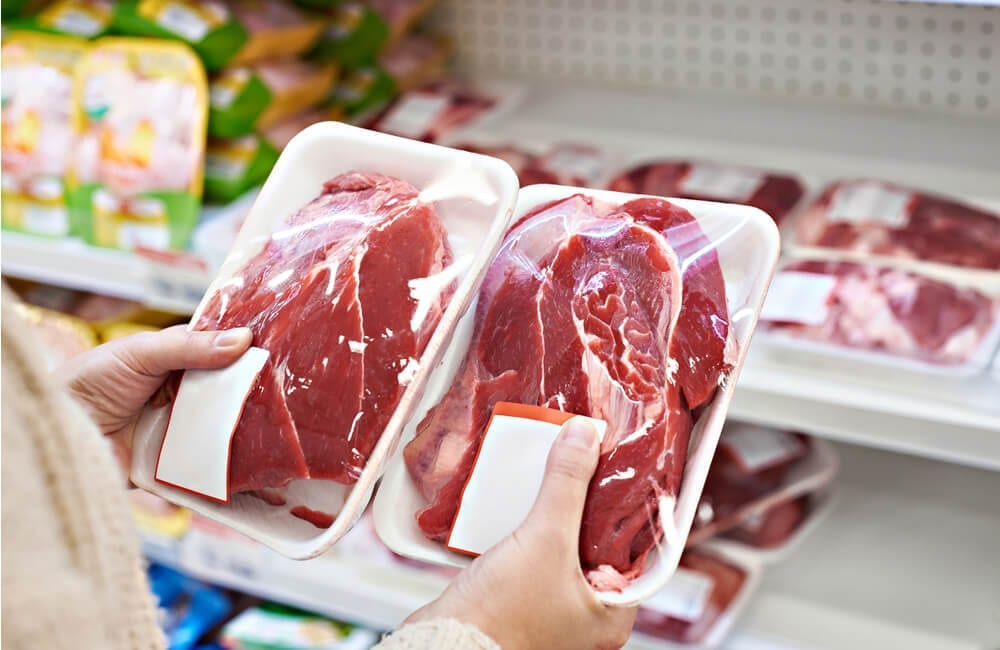
Vacuum-packed ground meat retains an unnaturally vibrant red color far longer than it should. That's because manufacturers inject carbon monoxide to bind with myoglobin, making aged or oxidizing meat look fresh indefinitely. Even as meat begins spoiling internally, the color stays deceptively red.
AI-powered image recognition systems can now identify carbon monoxide-treated meat by analyzing color consistency patterns that algorithms have learned to spot. Automated inspection at the processing plant level is becoming standard, with computer vision systems flagging color anomalies that signal artificial preservation.
5. Beer: NLP Systems Decode Clarifying Agent Disclosure
Brand: Multiple breweries
Hidden Ingredient: Isinglass (fish swim bladder protein)
Beer clarity comes from isinglass—a gelatin-like protein extracted from fish swim bladders. Breweries use it to filter and clarify beer, but few labels mention it. Natural language processing algorithms scanning beer industry documentation can identify which brands use isinglass versus other clarifying agents like pea protein.
AI transparency tools now allow vegans and conscious consumers to automatically filter products based on clarifying agent type. Machine learning has trained models to predict which beer styles are likely isinglass-treated based on brewing region, brand size, and production method.
The future of food is algorithmic transparency. As more supply chain data becomes digitized, AI will continue exposing the gap between what labels say and what's actually inside. Automation of food analysis represents the first real challenge to marketing obfuscation at scale.
---What people ask about hidden food ingredients and AI detection:
Q: Can AI actually detect these hidden ingredients in real time?
A: Not yet at point-of-purchase for most ingredients, but ingredient-scanning apps using machine learning are improving. Computer vision systems at manufacturing facilities already use AI to detect anomalies, and blockchain-tracked supply chains are making ingredient origin transparent. Within 5 years, smartphone apps with trained models should decode most ingredients before checkout.
Q: Why don't brands have to disclose these ingredients clearly?
A: Regulation lags behind automation. FDA rules allow vague terms like "natural flavors" and don't always require disclosure of processing agents like carbon monoxide or isinglass. AI is exposing this loophole faster than lawyers can close it. Data transparency is forcing regulatory change.
Q: Are these ingredients actually dangerous?
A: The amounts are typically small, but algorithmic risk analysis of health data shows certain populations—vegans, shellfish-allergic consumers, those with specific religious diets—are affected. AI health apps can now flag problematic ingredients based on your personal data profile.
Q: What's the future of AI food transparency?
A: Expect automated ingredient verification on all packaged goods within a decade. Smart labels powered by blockchain and AI will provide instant supply chain transparency. Machine learning will match ingredients to your health data and dietary preferences, rejecting items automatically.
Read more on food tech and AI:
How AI Automation Is Replacing Restaurant Workers (And What It Means for Your Dinner)
Algorithms Now Predict What You'll Eat Next Year—Here's How Companies Use That Data
Blockchain Meets AI: The Future of Transparent Food Supply Chains
Machine Learning Finally Solves the Nutrition Puzzle—But Big Food Doesn't Want You to Know
```