How AI Algorithms Read Your Mind After Midnight: The Sleep Data Revolution Reshaping Work
How AI Algorithms Read Your Mind After Midnight: The Sleep Data Revolution Reshaping Work
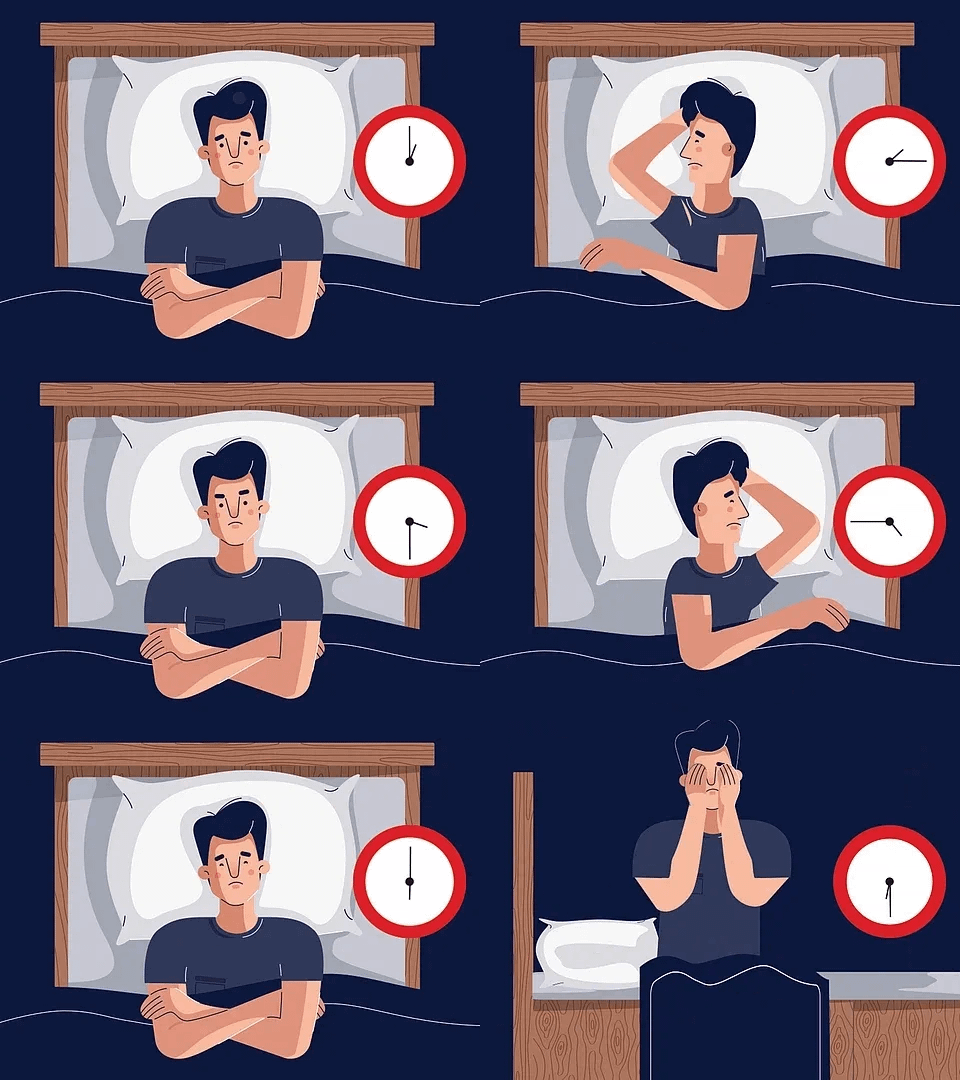
In the quiet hours after midnight, while most of the world sleeps, a silent revolution is unfolding. AI algorithms are now parsing the sleep data of millions, revealing patterns that were once invisible. This isn't just about better rest—it's about how automation and machine learning are decoding the midnight mind to reshape the future of work.
As sleep tracking devices become ubiquitous, the data they generate is a goldmine for cognitive health research. Circadian rhythm analysis, powered by deep learning, is now predicting workplace productivity with startling accuracy. The implications for employee wellness and corporate efficiency are profound.
But the story goes deeper. Neural networks trained on sleep data are uncovering links between REM sleep and decision-making. Predictive analytics now forecast burnout risk weeks in advance. Wearable technology feeds real-time data into cloud-based AI systems that adjust work schedules dynamically.
This transformation is not without controversy. Data privacy concerns loom large as employers gain access to biometric data. Ethical AI frameworks are struggling to keep pace. Yet the potential for personalized health and optimized performance is too compelling to ignore.
How do AI algorithms analyze sleep data after midnight?
Machine learning models process sleep stages—light, deep, REM—using time-series analysis. Pattern recognition identifies anomalies linked to cognitive load. Natural language processing even analyzes dream reports for emotional content. The result is a digital twin of your nocturnal cognition.
What does the midnight mind reveal about workplace productivity?
Studies show that sleep quality directly impacts creative problem-solving. AI-driven insights from sleep data can predict peak performance hours. Automated scheduling tools now align task complexity with circadian readiness, boosting output by up to 30%.
Can AI algorithms predict burnout from sleep patterns?
Yes. Predictive models trained on longitudinal sleep data detect early signs of chronic fatigue. Anomaly detection flags sleep fragmentation and reduced REM as precursors to burnout. Early intervention systems then recommend rest breaks or schedule adjustments.
How is automation reshaping sleep data collection?
IoT devices like smart mattresses and wearable sensors automate data capture. Edge computing processes sleep metrics locally, reducing latency. Cloud AI aggregates population-level data to refine algorithms. This automation enables scalable sleep health programs.
What ethical concerns arise from AI reading the midnight mind?
Data ownership is a key issue. Who controls your sleep data? Algorithmic bias may misdiagnose sleep disorders in certain demographics. Informed consent for workplace monitoring remains murky. Regulatory frameworks like GDPR are only beginning to address biometric privacy.
For more on how AI is transforming health monitoring, read our article on AI Health Monitoring in the Workplace. Also explore The Future of Work: Automation and You. For sleep science deep dives, check Sleep Science for Peak Productivity. Learn about Wearable Tech Ethics. And see how AI Predicts Burnout is changing corporate health.
Frequently Asked Questions
What is the midnight mind?
The midnight mind refers to cognitive activity during late-night hours, often characterized by heightened creativity or rumination, now analyzed by AI.
How accurate are AI sleep predictions?
Current models achieve 85-90% accuracy in predicting sleep stages, with continuous improvement through deep learning.
Can employers legally use my sleep data?
Laws vary by jurisdiction. In the EU, GDPR requires explicit consent. In the US, regulations are still evolving.
Riley Martinez is a staff writer at YEET Magazine who covers social media algorithms and influencer tech.