
Inside the AI Machine: How Social Media Algorithms Influence Mental Health
AI algorithms are increasingly shaping emotions, attention spans, and online behavior through social media feeds designed to maximize engagement and screen time.

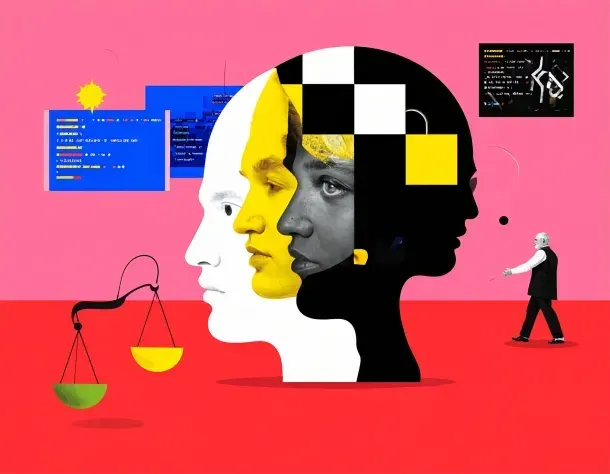
AI algorithms mental health, social media algorithms, how AI affects mental health, artificial intelligence and psychology, social media addiction, algorithm manipulation, AI recommendation systems, dopamine and social media, digital wellbeing, technology and mental health, TikTok algorithm, Instagram algorithm, personalized feeds, online behavior, AI ethics, future of social media
How AI Algorithms Exploit Mental Health: Inside the Social Media Machine
What You'll Learn
AI algorithms, social media algorithms, AI and mental health, algorithm addiction, social media addiction, AI manipulation, Instagram algorithm mental health, TikTok algorithm addiction, YouTube algorithm psychology, and AI engagement optimization — these are the terms dominating searches as concerns grow over how platforms use artificial intelligence to maximize engagement. The social media machine has become increasingly sophisticated, with AI algorithms designed to exploit psychological vulnerabilities and keep users scrolling for hours. Researchers and mental health advocates are raising alarms about the connection between algorithmic feeds and rising rates of anxiety, depression, and digital addiction. Read more technology news →
For more on how technology is reshaping our lives, check out our coverage of whether AI is an aid or a substitute for human intelligence.
Digital Wellness and Focus Tools
Explore products that can help reduce distractions, improve focus, and support healthier screen habits.
View on Amazon →How AI Algorithms Shape What We See
Modern social media platforms rely on AI recommendation systems that analyze every click, pause, swipe, and interaction. The goal is simple: keep users engaged for as long as possible. These AI algorithms are constantly learning and adapting, creating personalized feeds designed to maximize time spent on the platform.
This mirrors the way TikTok's algorithm works, as explained by CEO Shou Zi Chew, where the For You Page is optimized for maximum engagement through continuous learning.
These systems learn which content triggers strong emotional responses and then serve more of it, whether it is outrage, fear, excitement, or curiosity. The result is a feedback loop where users are increasingly exposed to content that reinforces their emotional states, often to their own detriment.
Understanding Digital Addiction
Books on digital wellness, screen time management, and breaking social media habits.
Shop Digital Wellness Books →Why Experts Are Concerned About Mental Health
Researchers have increasingly linked excessive social media use with higher rates of anxiety, depression, loneliness, and sleep disruption. This is similar to what we explored in our piece on Instagram's internal reports showing how bad the app can be for teens.
AI-driven feeds can intensify these effects by constantly delivering highly personalized content that exploits emotional vulnerabilities. Because the algorithms prioritize engagement rather than well-being, users may find themselves trapped in cycles of doomscrolling and emotional stimulation. The Instagram algorithm and TikTok algorithm have been specifically cited by researchers for their ability to create addictive patterns that are difficult to break.
The Attention Economy and AI Manipulation
Platforms compete for attention, and AI systems have become exceptionally good at predicting what will keep users scrolling. This has created what many analysts call the attention economy, where human focus becomes a valuable commodity. Social media algorithms are the engine driving this economy, extracting billions of dollars in advertising revenue while users remain unaware of the psychological toll.
For more on how technology companies are reshaping our lives, read about Elon Musk's AI automation goals for Tesla and the broader implications of AI-driven systems.
Critics argue that algorithmic targeting can subtly influence emotions, behavior, purchasing decisions, and even political opinions. The line between engagement optimization and manipulation has become increasingly blurred as AI engagement optimization techniques grow more sophisticated.
Social Media and Psychology
Explore books on social media psychology, behavior, and mental health impacts.
Shop Psychology Books →Can Social Media Algorithms Become Safer?
Some governments and technology companies are exploring regulations that would require greater transparency around AI recommendation systems. This echoes the debates we've covered around Meta's decision to abandon fact-checkers and the broader questions about platform accountability.
Others are developing tools that allow users to customize or limit algorithmic feeds, giving individuals more control over their digital experiences. Supporters say these changes could reduce harmful engagement patterns and give users more control over their digital environments. However, the fundamental tension between platform profitability and user well-being remains unresolved. As long as ad revenue depends on engagement, AI algorithms will continue to prioritize attention over mental health.
Tech Ethics and Regulation
Books on technology ethics, AI regulation, and responsible innovation.
Shop Tech Ethics Books →Why This Matters
The debate over AI algorithms and mental health goes beyond individual screen time concerns. It raises fundamental questions about the ethics of algorithmic design, corporate responsibility, and the future of human attention. As AI systems become more integrated into daily life, understanding how they influence behavior and mental health becomes increasingly urgent.
This is part of a larger conversation about how AI algorithms exploit social media users' mental health, a topic we've been covering extensively.
Studies show that Gen Z and Millennials are experiencing unprecedented rates of anxiety and depression, with social media and AI algorithms playing a significant role. The World Health Organization has noted the growing mental health crisis among young people, with digital platforms identified as a contributing factor.
For more on the mental health crisis among young people, read our coverage of Tom Holland opening up about his mental health struggles and the pressures of fame in the digital age.
For users, awareness is the first step. Recognizing how AI algorithms work — and how they exploit psychological triggers — can help individuals make more conscious decisions about their digital consumption. For policymakers, the challenge is balancing innovation with protection against harmful engagement patterns.
More Tech and Digital Wellness Resources
Explore our full selection of digital wellness, tech ethics, and psychology books.
Shop More Tech Books →FAQ: AI Algorithms and Mental Health
Q: How do AI algorithms affect mental health?
A: AI algorithms can influence emotions, attention, and behavior by prioritizing highly engaging content in social media feeds, potentially contributing to anxiety, depression, and digital addiction.
Q: What is algorithm addiction?
A: Algorithm addiction refers to compulsive engagement with digital platforms driven by personalized recommendation systems that create psychological dependence.
Q: Why are TikTok and Instagram often discussed in this context?
A: Both platforms rely heavily on AI-driven recommendation engines that continuously adapt content based on user behavior, creating highly addictive experiences.
Q: What is doomscrolling?
A: Doomscrolling is the habit of continuously consuming negative or emotionally intense content online, often driven by algorithms that amplify such content.
Q: Can users reduce algorithmic influence?
A: Yes. Limiting screen time, adjusting feed settings, diversifying content sources, and using digital wellness tools can help reduce algorithmic impact.
For more on digital wellness, check out our guide to why digital detox is trending in 2026 and how to reclaim your time.
Digital Detox and Mindfulness
Explore resources for digital detox, mindfulness, and healthier tech habits.
Shop Digital Detox Books →For more on how AI is reshaping our world, read our coverage of how AI analyzes wealth and happiness data and how AI is being used to predict burnout.
Related YEET Magazine Coverage
Explore Topics
AI Algorithms Social Media Algorithms AI and Mental Health Algorithm Addiction Social Media Addiction AI Manipulation Instagram Algorithm Mental Health TikTok Algorithm Addiction YouTube Algorithm Psychology AI Engagement Optimization Attention Economy Digital Addiction Doomscrolling Digital Wellness Tech Ethics Mental Health TechnologyAs an Amazon Associate, YEET Magazine earns from qualifying purchases.