
How AI & Automation Will Help Elon Musk Hit Tesla's $1 Trillion Performance Goals
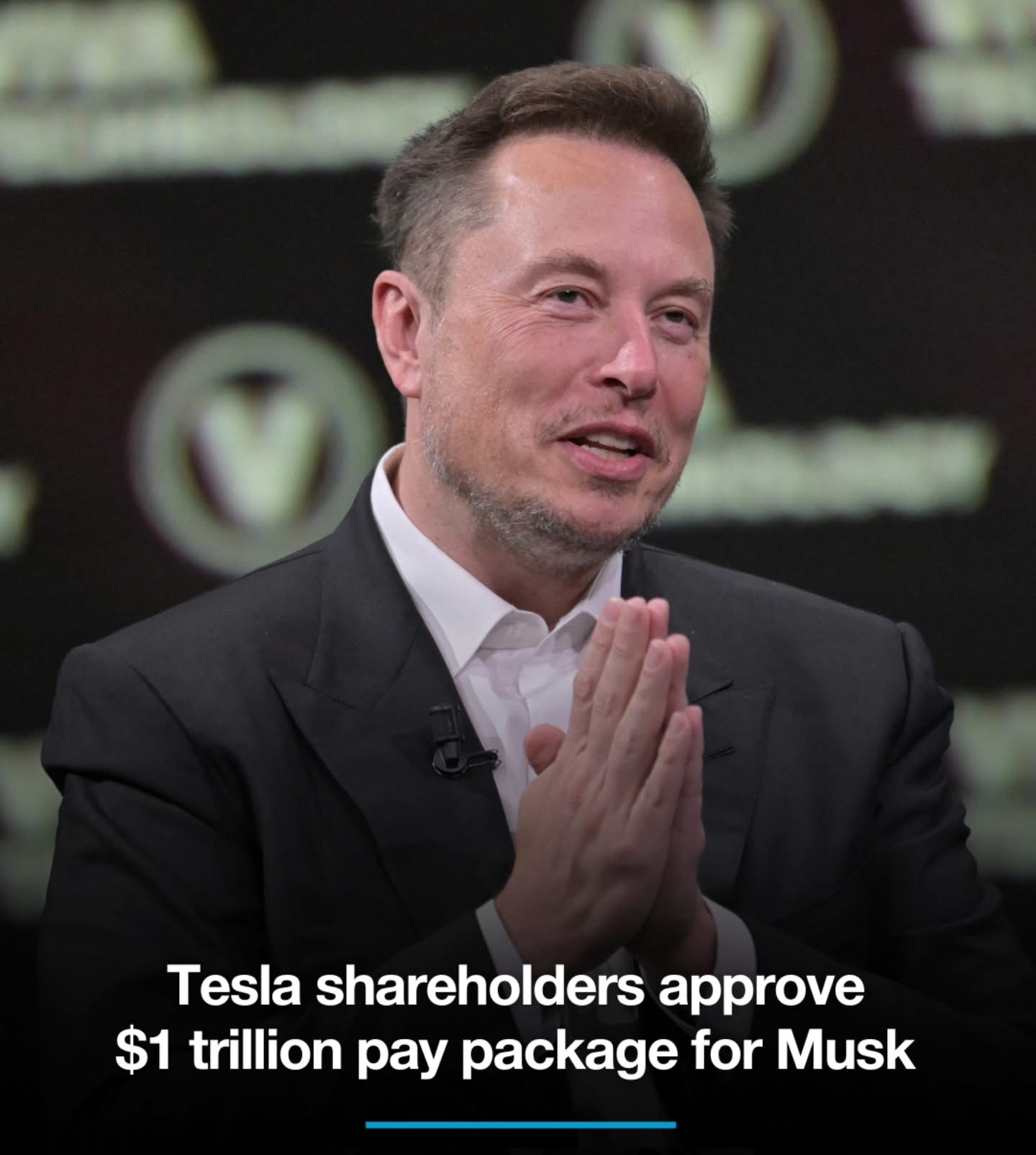
Elon Musk's $1 trillion Tesla stock deal isn't about salary—it's about hitting 12 AI and automation milestones. Here's how algorithms, robotics, and autonomous tech will determine if he actually gets paid.

Tech News / Business
How AI and automation will determine Elon Musk's $1 trillion Tesla payout. The 12 goals explained through the lens of algorithms, robotics, and autonomous technology driving the future of work.
YEET Magazine Staff, YEET Magazine
Published November 7, 2025
How AI & Automation Will Help Elon Musk Hit Tesla's $1 Trillion Performance Goals
The core question: Can algorithms and autonomous systems help Tesla hit 12 AI-dependent targets that unlock Musk's potential $1 trillion stock grant? Short answer: Tesla's entire compensation structure depends on machine learning, robotics, and data-driven automation succeeding over the next decade.
Trending right now:
- AI algorithms powering Tesla's robotaxi fleet
- Humanoid robot automation in manufacturing
- Data analytics measuring Tesla's performance targets
- How machine learning scales vehicle production to 20M cars/year
- Autonomous systems and their impact on CEO compensation
What's actually happening here
Elon Musk isn't getting a salary from Tesla. Zero dollars. Instead, he's betting his entire compensation on whether Tesla can hit 12 almost-impossible targets in the next decade—and every single one relies heavily on AI, automation, and algorithms.
Think of it like this: Musk's pay package is a performance algorithm. Each goal he unlocks = another chunk of stock. Miss targets, miss paychecks. It's the ultimate data-driven compensation model.
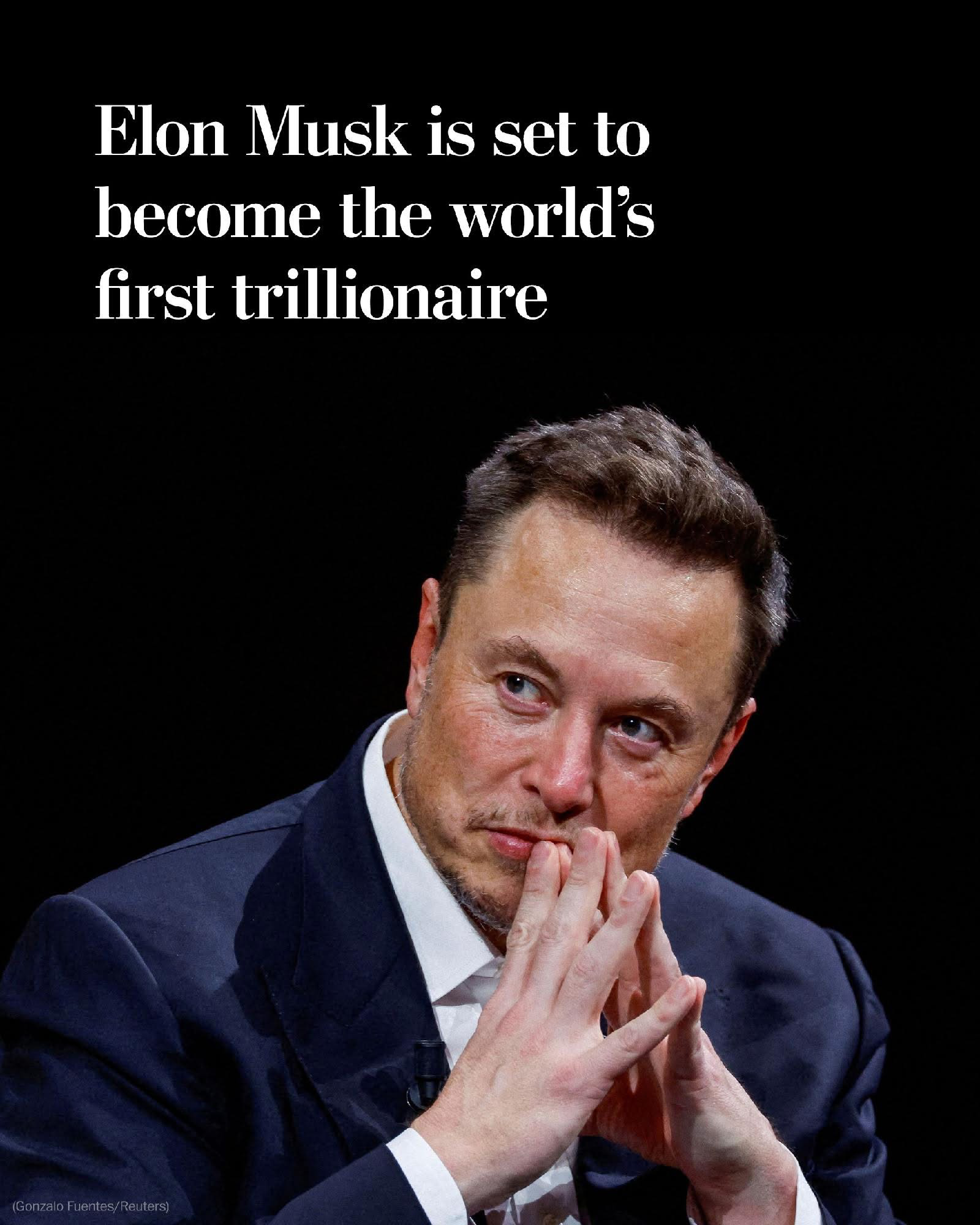
The 12 AI-dependent milestones breaking down his $1 trillion potential
1. $8.5 trillion market cap: Requires AI-driven product launches, predictive analytics on demand, and algorithmic trading trust. Today Tesla's at ~$700B—this needs 12X growth powered by autonomous tech dominance.
2. 20 million cars per year: Impossible without factory automation. We're talking AI-optimized supply chains, robotic assembly lines, and predictive maintenance algorithms running 24/7 to eliminate downtime.
3. 1 million robotaxis deployed: Pure AI play. Full Self-Driving (FSD) algorithms need to be bulletproof. Neural networks analyzing real-time traffic data, decision trees for edge cases, computer vision systems handling millions of scenarios.
4. 1 million humanoid robots (Optimus) sold: Autonomous robotics scaled to consumer level. Machine learning models teaching robots dexterity, natural language processing for human interaction, computer vision for real-world navigation.
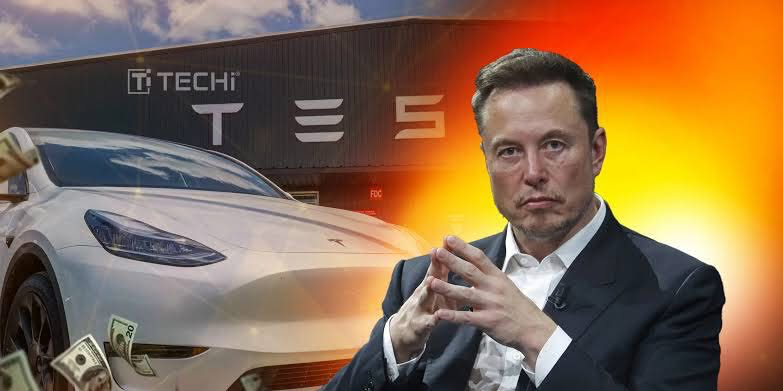
Why this is a tech revolution disguised as CEO compensation
Musk's paycheck = Tesla's AI execution: He literally can't get rich without nailing Full Self-Driving algorithms, scaling humanoid robots, and automating global manufacturing. His financial incentive is locked to the company's tech roadmap.
Data-driven accountability: Every goal is measurable. No vague targets. Algorithms will track whether Tesla hit robotaxi deployment numbers, production capacity, market valuation—all quantifiable through data systems.
Automation multiplier effect: The goals feed each other. Better FSD algorithms → more robotaxis deployable → higher market cap → enables humanoid robot investment. It's a self-reinforcing automation flywheel.
The shareholder angle: Investors get it—this forces Musk to prioritize AI over vanity projects. If the goals aren't hit, shareholders didn't overpay him. It's capitalism meets algorithm-based performance review.
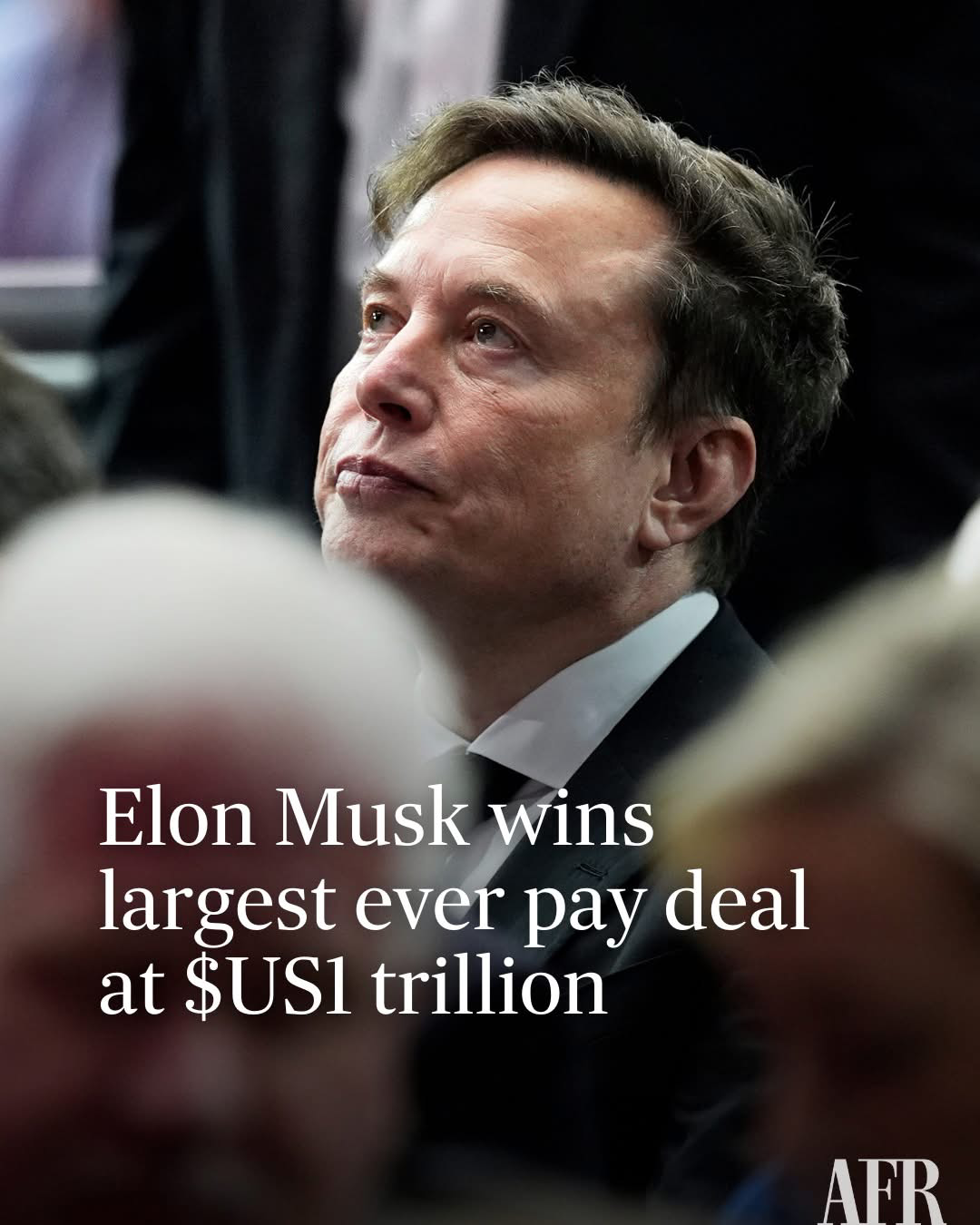
What actually has to happen for Musk to get paid
Robotaxi dominance (FSD Level 5): Neural network improvements have to reach human-level or better autonomous driving. We're talking edge-case handling, weather adaptation, urban chaos navigation—all AI-optimized.
Manufacturing automation: Factory robots need to scale production from 1.8M cars/year (current) to 20M. That's a 10X improvement in automation efficiency, predictive maintenance, and supply chain algorithms.
Humanoid robot viability: Optimus needs to go from prototype to mass-market product. Machine learning models for manipulation, deep learning for adaptation, reinforcement learning for real-world performance.
AI infrastructure: Tesla needs Dojo—its custom AI training supercomputer—to work at scale. Training models on billions of video frames from FSD to continuously improve the algorithm.
The real-world timeline
2025-2027: Full Self-Driving reaches Level 4 autonomy. Robotaxi fleet starts revenue generation. Data algorithms validate performance.
2027-2030: Optimus reaches consumer scale. 20M car production becomes viable with automated factories hitting capacity.
2030+: Market cap driven by AI dominance. If all three pillars—autonomous driving, manufacturing automation, and humanoid robots—succeed, $8.5T valuation becomes plausible.
Here's the truth nobody talks about
Musk's $1 trillion isn't a payout—it's a milestone tracker for AI advancement. Every dollar of that compensation is pegged to breakthroughs in machine learning, autonomous systems, and robotics automation.
This is what the future of work compensation actually looks like: no salary, pure performance-based equity tied to algorithmic and automation milestones.
If he hits the targets, Tesla reshapes transportation, manufacturing, and robotics. If he doesn't, he gets nothing. It's the ultimate algorithmic CEO contract.
Questions people actually ask
Q: Can Tesla actually hit these AI targets?
A: Full Self-Driving is progressing, but Level 5 autonomy is harder than people think. Humanoid robots are still early. It's ambitious but not impossible—depends on algorithm breakthroughs and scaled data training.
Q: What if Tesla's stock crashes?
A: The $1 trillion is based on today's valuation. If Tesla's stock tanks, the actual payout value drops too. Musk's compensation is directly tied to market performance—pure incentive alignment.
Q: Is this better than a normal CEO salary?
A: Yes and no. Most CEOs get salary + bonus. Musk gets zero salary—it's all-or-nothing on automation and AI milestones. It forces focus but also massive risk. This is performance-based compensation on steroids.
Q: Will robots really replace workers?
A: Tesla's 20M car goal and 1M Optimus robots suggest major automation of factory work. This connects to broader automation and employment trends reshaping entire industries.
Q: How does Tesla measure if goals are hit?
A: Data systems. Market cap is tracked automatically. Car production counts are auditable. Robotaxi deployments logged in real-time. These are algorithm-trackable metrics—no guessing required.
Q: Could Musk just walk away empty-handed?
A: Technically yes, but he wouldn't—he'd just lose the stock grant. He's still running the company. But his net worth is directly tied to Tesla's stock hitting these automation milestones.
What you need to know
Elon Musk's compensation is the clearest example yet of how AI, automation, and algorithms are reshaping executive incentive structures. He's not getting paid on time, tenure, or arbitrary metrics—he's getting paid on measurable, algorithm-driven goals.
This signals the future: CEO compensation tied to automation execution, AI breakthroughs, and quantifiable tech metrics. It's a contract written in data, not law.
If Tesla nails these milestones, Musk becomes richer. But more importantly, Tesla reshapes transportation, manufacturing, and robotics globally. His paycheck is directly tied to advancing autonomous technology and automation at scale.
Related: Read how AI is reshaping business models, or explore automation in manufacturing robotics.