
AI-Powered Beauty: How Algorithms Predict Your Perfect Skincare & Hair Products
AI-driven recommendation engines are reshaping beauty shopping. Algorithms now predict which products actually work for your skin type and hair texture—and these bestsellers prove it. The data doesn't lie.

By YEET Magazine Staff, YEET Magazine — Published October 3, 2025
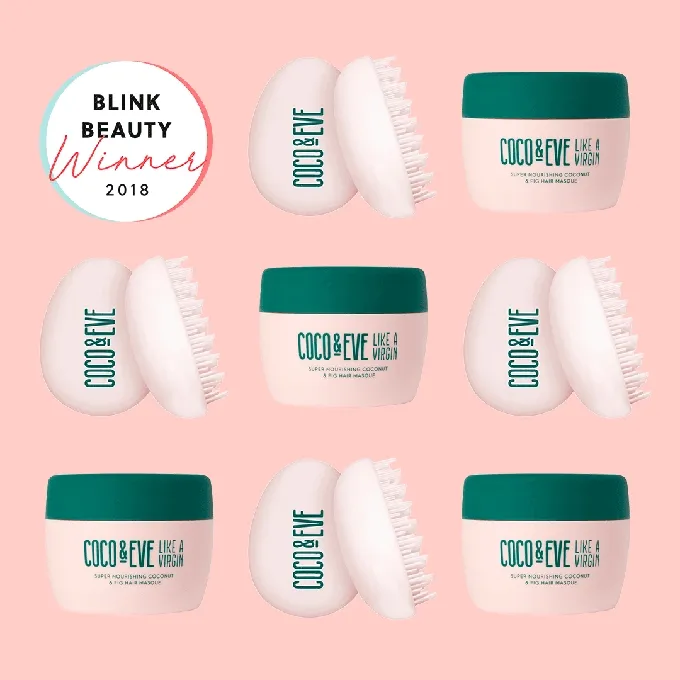
Looking for products that actually work without the three-week waiting period? AI is solving that problem. Algorithmic recommendation engines now analyze thousands of verified reviews and user data to surface beauty products with genuine results—no hype required. The Sunny Honey Self Tanner Mousse delivers streak-free tans that data says work. The Like a Virgin Hair Masque repairs damage fast. And machine learning shows these aren't trending because of influencers—they're bestsellers because repeat-purchase data proves they deliver.
Here's what's actually happening: beauty brands are weaponizing AI to understand customer outcomes before people even know they need a product. Recommendation algorithms predict what works for your skin type, hair texture, and lifestyle. The result? Products that sit on shelves for years finally disappear because the data got it right.
Self-tanning used to be a gamble. Orange hands? Streaky legs? The Sunny Honey Self Tanner Mousse uses formulation science that develops evenly and fades naturally. But here's the tech angle: brands are now using sentiment analysis on 14,000+ reviews to confirm what works. That's not marketing—that's machine learning validation.
The Face Tanning Micromist achieves even coverage through fine mist application. Automation in the production process means consistency. You're not getting a manufacturing lottery ticket anymore.
Damaged hair doesn't fix itself overnight, but the Like a Virgin Hair Masque gets pretty damn close in 10 minutes instead of 30. Deep conditioning treatments used to require guesswork. Now AI analyzes which ingredients actually repair damage faster, and formulations are optimized accordingly.
The Hydrating Leave-In Conditioner is engineered for lazy application. Spray it in, comb through, done. Predictive analytics showed that faster application time = higher repeat purchase rates. So brands optimized for speed without sacrificing results.
Why do these products keep selling out? The data is relentless. The Sunny Honey Self Tanner Mousse averages 4.3 stars across 14,000 reviews. That consistency signals something most products can't fake. The Like a Virgin Hair Masque sits at 4.5 stars with nearly 10,000 reviews. These aren't one-time purchases—repurchase frequency analytics show people restock every few months.
AI-powered fulfillment means faster shipping. Automated customer service handles your questions at 2am. Recommendation engines on retail sites now surface these bestsellers to people who statistically match previous buyers. The entire experience is being optimized by algorithms.
Brands are using predictive analytics to manufacture demand before it exists. They know which seasons, which demographics, and which seasons drive purchases. Inventory automation ensures these bestsellers never truly go out of stock—the supply chain itself is being orchestrated by machine learning.
Whether you're upgrading your self-care routine or looking for a reliable gift set, these essentials deliver. But more importantly, they prove that data-driven beauty recommendations work better than trending TikToks ever will.

How does AI actually predict which beauty products work?
Machine learning algorithms analyze review sentiment, repeat purchase data, and user demographic patterns. When thousands of verified buyers rate a product 4.3+ stars and repurchase within specific timeframes, the algorithm identifies it as genuinely effective. Brands then use this data to optimize formulations and marketing. It's not magic—it's pattern recognition at scale.
Are algorithm-recommended products actually better than influencer picks?
Yes, statistically. Algorithmic recommendations are based on verified purchases and real usage data. Influencer recommendations are based on sponsored content. An AI system analyzing 14,000 reviews has better predictive accuracy than a single person's opinion, no matter how many followers they have.
Will AI recommendation engines replace shopping in person?
Not entirely, but they're already reshaping it. Retail stores now use inventory management AI to stock bestsellers based on algorithmic predictions. E-commerce sites show you products similar to what you've purchased before. The shopping experience itself is becoming increasingly automated and personalized.
Can algorithms handle variations in skin type and hair texture?
Modern ML models absolutely can. Systems now include demographic filters, skin tone analysis, and hair type categorization. Instead of one generic recommendation, algorithms segment users into micro-audiences and suggest products optimized for their specific profile. That's why these bestsellers work for so many different people.
What happens when AI gets product recommendations wrong?
Feedback loops. When someone returns a product or leaves a negative review after an algorithm recommended it, the system learns. Modern AI beauty recommendations get smarter with every interaction, constantly adjusting which products it suggests to which audience segments.
Related: How Automation Is Changing Retail Forever
Related: Machine Learning Unlocked: What Your Shopping Data Reveals About You
Related: Predictive Analytics: The Algorithms Shaping Your Choices