How AI Beauty Algorithms Are Rewriting Victoria Beckham's Clean Makeup Playbook for the Future of Work
How AI Beauty Algorithms Are Rewriting Victoria Beckham's Clean Makeup Playbook for the Future of Work
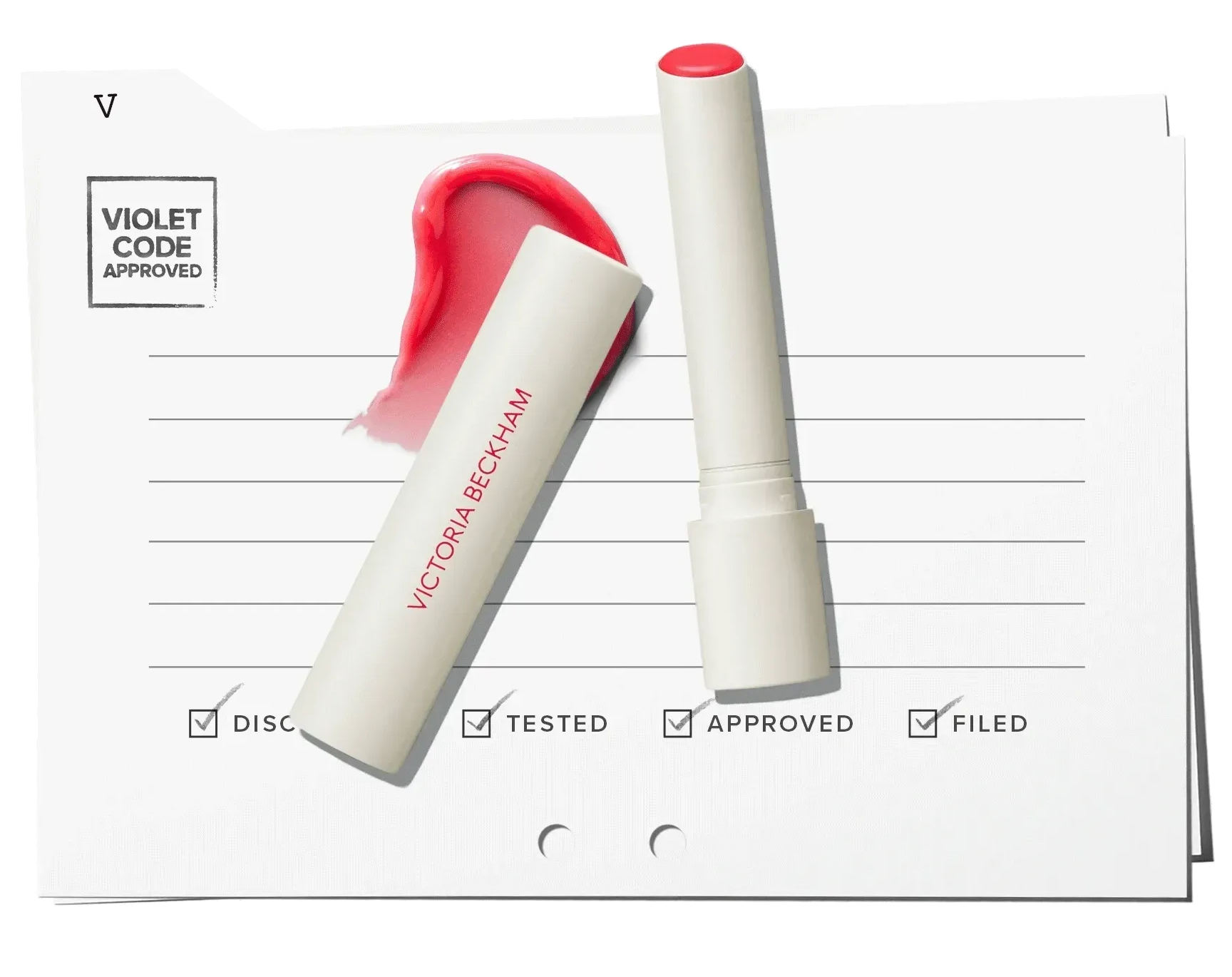
Victoria Beckham's clean makeup line has always been about precision, but now it's getting a digital upgrade. The fashion icon turned beauty mogul is quietly integrating AI beauty algorithms into her product development, personalizing everything from foundation shades to skincare routines. This isn't just about looking good—it's about how AI automation is reshaping the beauty industry, much like it's transforming the future of work in other sectors. The question is: Will algorithms replace the human touch in beauty, or will they enhance it?
Beckham's move comes as the beauty industry faces a seismic shift. According to a recent report, the global AI in beauty market is expected to reach $13.4 billion by 2030, growing at a CAGR of 20.3%. This isn't just about virtual try-ons; it's about using machine learning to analyze skin types, undertones, and even lifestyle factors to create hyper-personalized products. For Beckham, whose brand is built on effortless elegance, this means her customers can now get a foundation that matches their skin perfectly, without ever stepping into a store.
But the implications go beyond makeup. The same AI algorithms that are personalizing beauty products are also being used to automate jobs in retail, marketing, and even product design. As AI automation continues to disrupt industries, the beauty sector is becoming a testing ground for how humans and machines can collaborate. Beckham's line is a case study in this new dynamic, where AI-driven insights are helping her team make faster, more accurate decisions about what products to launch and how to market them.
For example, Beckham's team uses AI matching algorithms to analyze customer feedback from social media and e-commerce platforms. This data helps them identify trends in real-time, allowing them to adjust their product formulations and marketing strategies on the fly. It's a far cry from the traditional beauty industry, where product development cycles could take years. Now, with AI-powered analytics, Beckham can launch a new shade of lipstick in weeks, not months.
This shift is part of a larger trend where AI entrepreneurship is becoming more accessible. Small beauty brands can now use off-the-shelf AI tools to compete with giants like L'Oréal and Estée Lauder. For Beckham, who started her beauty line as a side project, this democratization of technology is a game-changer. It allows her to focus on what she does best—creating beautiful products—while letting the algorithms handle the heavy lifting.
However, the integration of AI in beauty isn't without its challenges. Privacy concerns are mounting as companies collect vast amounts of personal data to train their algorithms. Beckham's team has been careful to emphasize that all data is anonymized and used only for product improvement. But as AI algorithms become more sophisticated, the line between personalization and surveillance could blur. This is a conversation that the beauty industry, and society at large, needs to have.
"AI is not replacing the artistry of makeup; it's amplifying it. We're using data to understand our customers better, but the creative vision still comes from Victoria and her team."
Key Statistics on AI in Beauty
- Global AI in beauty market projected to reach $13.4 billion by 2030
- 72% of beauty consumers are willing to share personal data for personalized products
- AI-powered virtual try-ons increase conversion rates by 30%
- 45% of beauty brands are already using AI for product development
One of the most fascinating aspects of Beckham's approach is how she's using AI algorithms to predict future beauty trends. By analyzing data from fashion shows, social media, and even search engine queries, her team can forecast which colors, textures, and ingredients will be popular months in advance. This is similar to how AI matching algorithms are used in influencer marketing to pair brands with the right creators. It's a data-driven approach that minimizes guesswork and maximizes impact.
But what does this mean for the people who work in the beauty industry? As AI automation takes over tasks like shade matching and trend forecasting, jobs that were once done by humans are disappearing. However, new roles are emerging, such as AI trainers and data analysts. Beckham's team has invested heavily in upskilling their employees, teaching them how to work alongside AI rather than being replaced by it. This is a model that other industries, from healthcare to logistics, are beginning to adopt.
"I used to spend hours manually matching foundation shades for clients," says Maria Lopez, a former makeup artist who now works as an AI trainer at Victoria Beckham Beauty. "Now, the algorithm does the heavy lifting, and I focus on teaching it to recognize subtle differences in skin tones. It's a different kind of artistry, but it's just as rewarding."
The future of work in beauty is not about humans versus machines; it's about collaboration. Beckham's line is a testament to this, showing how AI algorithms can enhance human creativity rather than stifle it. As more brands follow suit, the beauty industry could become a blueprint for how other sectors navigate the AI revolution. The key is to embrace the technology while preserving the human touch that makes beauty so personal.
How are AI beauty algorithms personalizing Victoria Beckham's clean makeup line?
Victoria Beckham's clean makeup line uses AI algorithms to analyze customer data, including skin type, undertone, and lifestyle, to create personalized product recommendations. The system learns from each interaction, improving its accuracy over time. This allows Beckham to offer a level of customization that was previously only available through in-person consultations.
What role does AI automation play in the future of beauty product development?
AI automation is streamlining product development by analyzing vast amounts of data to identify trends and predict consumer preferences. This reduces the time it takes to bring a product to market and allows brands to respond quickly to changing demands. For Beckham, this means she can launch new products that are more likely to resonate with her audience.
Can AI algorithms replace human makeup artists?
While AI algorithms can handle tasks like shade matching and trend forecasting, they cannot replicate the creativity and intuition of a human makeup artist. Instead, AI is being used as a tool to augment human skills, allowing artists to focus on more complex and creative aspects of their work. The future of beauty is about collaboration, not replacement.
What are the privacy concerns with AI in beauty?
As beauty brands collect more personal data to train their AI algorithms, privacy concerns are growing. Customers are worried about how their data is being used and whether it is secure. Beckham's team has implemented strict data anonymization protocols, but the industry as a whole needs to establish clearer guidelines to protect consumer privacy.
How is AI entrepreneurship changing the beauty industry?
AI entrepreneurship is democratizing the beauty industry by making advanced tools accessible to small brands. This allows entrepreneurs like Victoria Beckham to compete with established players by leveraging data-driven insights. The result is a more dynamic and innovative market where creativity and technology go hand in hand.
Frequently Asked Questions
AI beauty algorithms are machine learning models that analyze personal data to provide customized beauty recommendations, such as foundation shades or skincare routines.
She uses AI to analyze customer data for personalized product recommendations and to predict future beauty trends, streamlining product development.
AI is automating some tasks but also creating new roles like AI trainers and data analysts, emphasizing collaboration between humans and machines.
AI helps ensure that clean makeup products are tailored to individual needs, reducing waste and improving customer satisfaction.
Privacy concerns are the main risk, as companies collect sensitive personal data. Proper data protection measures are essential.
READ MORE FROM YEET MAGAZINE
- 🔗 AI Beauty Algorithms: The Secret Behind Bestselling Products
- 🔗 How AI Algorithms Are Shaping Luxury Fashion in 2025
- 🔗 AI Matching Algorithms: The New Power Players in Influencer Marketing
- 🔗 Is AI Entrepreneurship Worth It in 2026?
- 🔗 AI Automation and the Future of Work: What You Need to Know
- 🔗 TikTok AI Fashion Algorithms: Who's Really in Control?
- 🔗 AI Actresses Are Stealing Hollywood Jobs: The New Reality
Avery Thompson is a staff writer at YEET Magazine who covers AI privacy, security, and data rights.