How AI-Powered Beauty Filters and Deepfakes Are Reshaping Celebrity Image Management
Celebrity transformations fuel online speculation—but the real story is how AI-powered beauty filters, algorithmic feeds, and image enhancement tools are reshaping perception. We're living in an era where authentic images compete with AI-optimized versions, raising critical questions about truth in

Tech Culture
By Julia E.
When celebrities post new photos online, people immediately ask: Is this real or AI-enhanced? That's the new reality. Celebrity transformations now spark dual conversations—admiration mixed with skepticism about filters, algorithms, and image manipulation tools. The real story isn't just about physical changes; it's about how AI-powered beauty filters, deepfake detection concerns, and algorithmic amplification are fundamentally changing how we perceive celebrity authenticity. From Instagram's built-in AI filters to third-party beauty apps using machine learning, celebrities (and their teams) are leveraging automation to control their digital image in ways previous generations never could.
The Algorithm's Role in Celebrity Perception
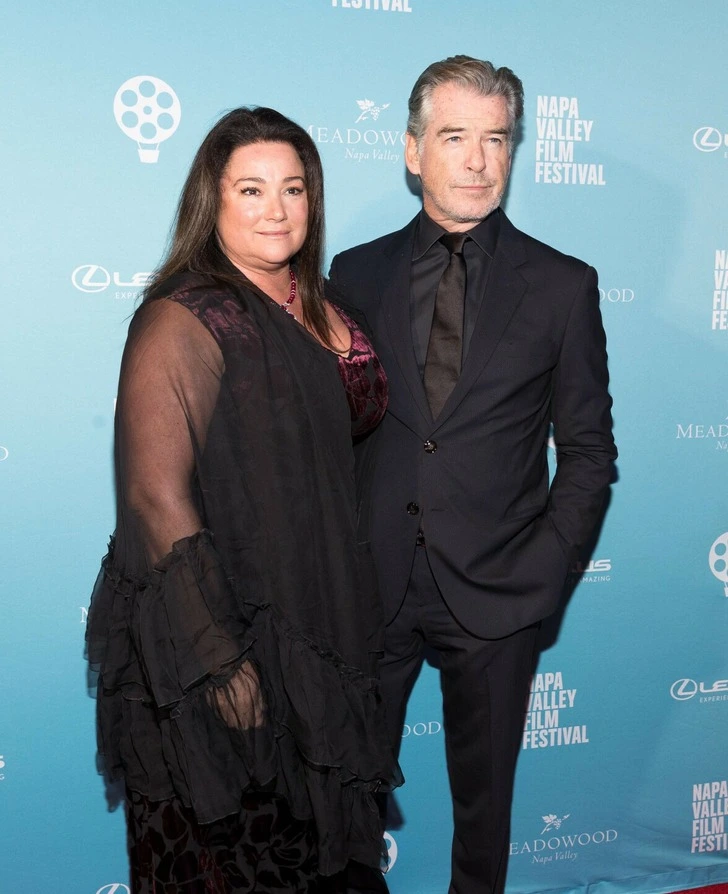
Social media algorithms don't just show content—they amplify certain narratives. When Keely Shaye Brosnan posted new photos, the algorithm prioritized high-engagement comments praising her appearance. But here's where it gets interesting: those comments themselves get shaped by AI moderation systems, recommendation engines, and engagement-prediction models.
Instagram's algorithm learns which posts generate comments about physical appearance, then pushes similar content to users interested in celebrity transformations. This creates a feedback loop where AI-curated narratives drive online conversation.
Beauty Apps: Where AI Meets Image Manipulation
Modern beauty apps use AI-powered features like skin smoothing, face reshaping, and real-time filtering. These tools employ machine learning trained on thousands of celebrity photos to predict "ideal" features. Users apply these filters to match algorithmic beauty standards—a cycle where AI defines beauty, then people use AI to meet that standard.
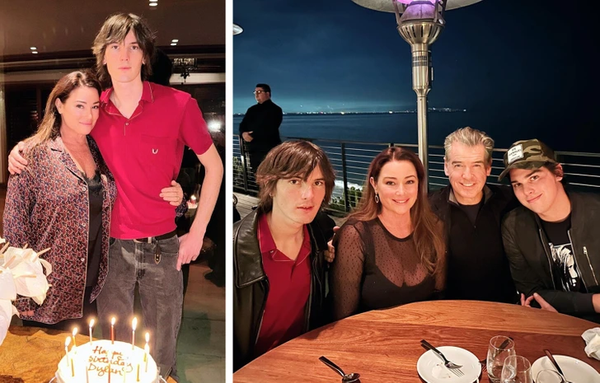
When fans ask "What do you do for your skin? It's absolutely perfect!"—they might not realize they're commenting on a filtered version, algorithmic image enhancement, or AI-touched photo. The line between natural and digital has become nearly invisible.
The Deepfake Problem in Celebrity Culture
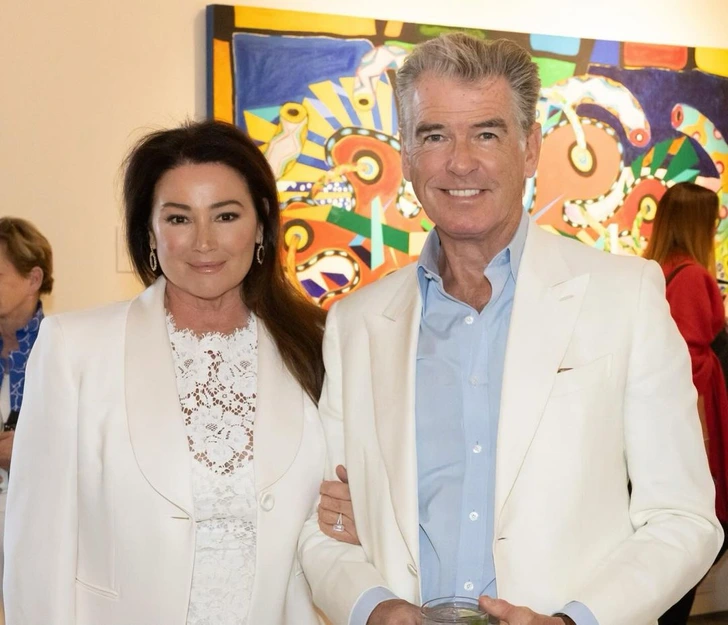
As AI image generation improves, distinguishing real photos from synthetic ones becomes harder. Celebrity image teams now use AI detection tools to identify deepfakes before they spread. Meanwhile, some celebrities strategically use AI-enhanced images knowing algorithms will amplify them more than unfiltered versions.
This creates a trust crisis: Was that transformation real, AI-filtered, or algorithmically enhanced for maximum engagement? Without digital signatures or blockchain verification, we're essentially relying on our own visual judgment—which is exactly what AI filters are designed to fool.
Celebrity Image Management: The New Automation Layer
High-profile celebrities increasingly employ AI-powered image management tools. These services use machine learning to optimize photos before posting—adjusting lighting, skin tone, and facial symmetry according to algorithmic beauty standards proven to generate engagement.
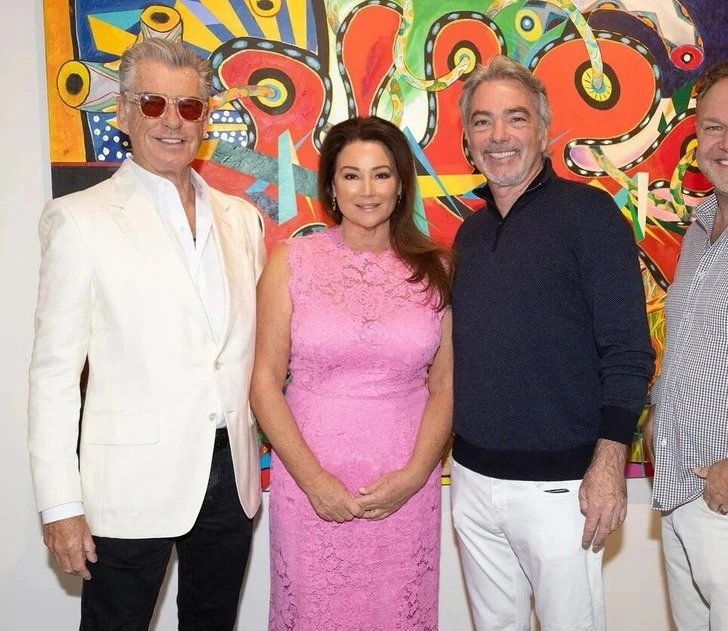
When Pierce Brosnan's team posts curated family photos from events, those images likely pass through multiple AI filters and optimization layers before reaching Instagram. The algorithm then decides who sees them and how they're presented to different user segments.
What This Means for Authenticity
The real question isn't whether celebrities look different—it's how much of that difference is technology versus choice. AI has automated the entire perception layer. Filters run in real-time. Algorithms decide what "transformation" goes viral. Machine learning predicts which beauty standards will drive engagement.
Fans notice physical changes and celebrate them, often unaware they're responding to algorithmic amplification of AI-enhanced content. This isn't necessarily deceptive—it's just the new normal where automation mediates celebrity image.
FAQ
Are celebrity beauty transformations real or AI-filtered? Usually both. Modern celebrity photography combines actual lifestyle changes with AI-powered image enhancement, algorithmic filtering, and strategic posting. The algorithm then amplifies which images get seen, creating a distorted perception of transformation.
How do AI beauty filters actually work? They use machine learning trained on thousands of faces to predict "ideal" features, then apply real-time adjustments to skin, facial structure, and lighting. Instagram, TikTok, and third-party apps employ these tools automatically.
Can we detect deepfakes and AI-enhanced celebrity photos? Increasingly, yes. Tools like Microsoft Video Authenticator and various blockchain-based verification systems help detect synthetic media. But these tools aren't widely accessible, and most social platforms don't require verification.
Do celebrities intentionally use AI filters? Many do, either directly or through teams managing their image. Using algorithmic enhancement is now standard practice for high-profile individuals managing their public brand.
How is this changing beauty standards? AI-filtered celebrity images set algorithmic beauty standards, which then drive demand for beauty apps and procedures that match those AI-defined ideals. It's a self-reinforcing cycle where technology shapes expectations.
Related reading: How Deepfakes Are Destroying Trust in Influencer Authenticity | The AI Beauty Algorithm Problem: Who Decides What's Attractive? | Why AI Filters Are Rewiring What We Think Beauty Means
HTML_CONTENT_END