AI-Optimized Bone Glue: How Machine Learning Is Accelerating Fracture Healing Technology
China's revolutionary bone glue repairs broken bones in 3 minutes—and AI played a crucial role in developing it. Discover how machine learning optimized this medical breakthrough and what automation means for the future of emergency care.

By YEET Magazine Staff
Published October 12, 2025
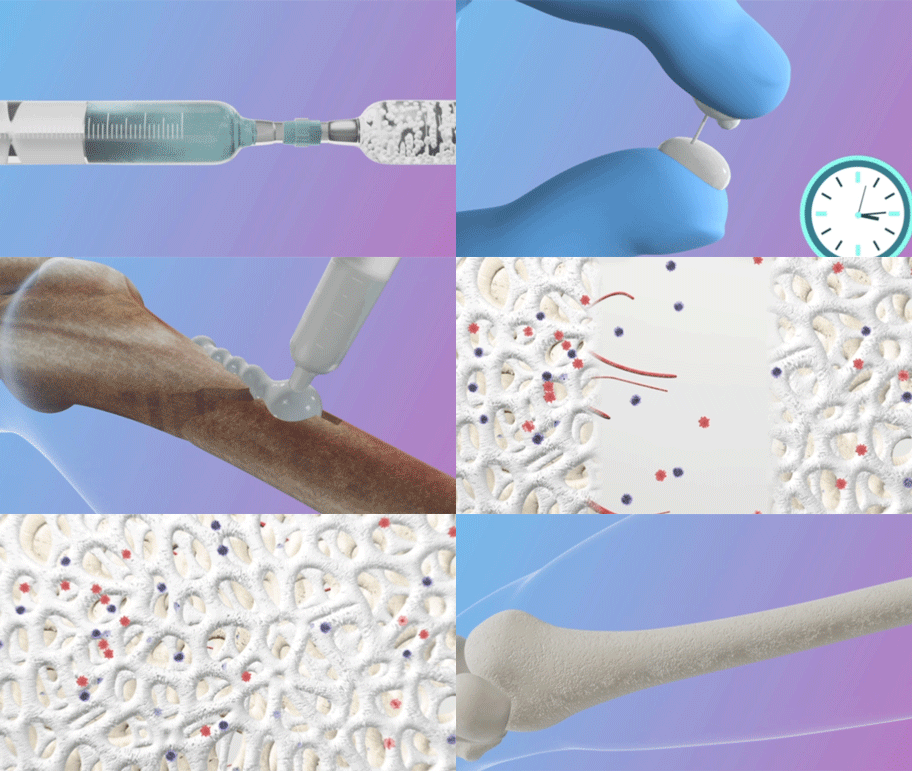
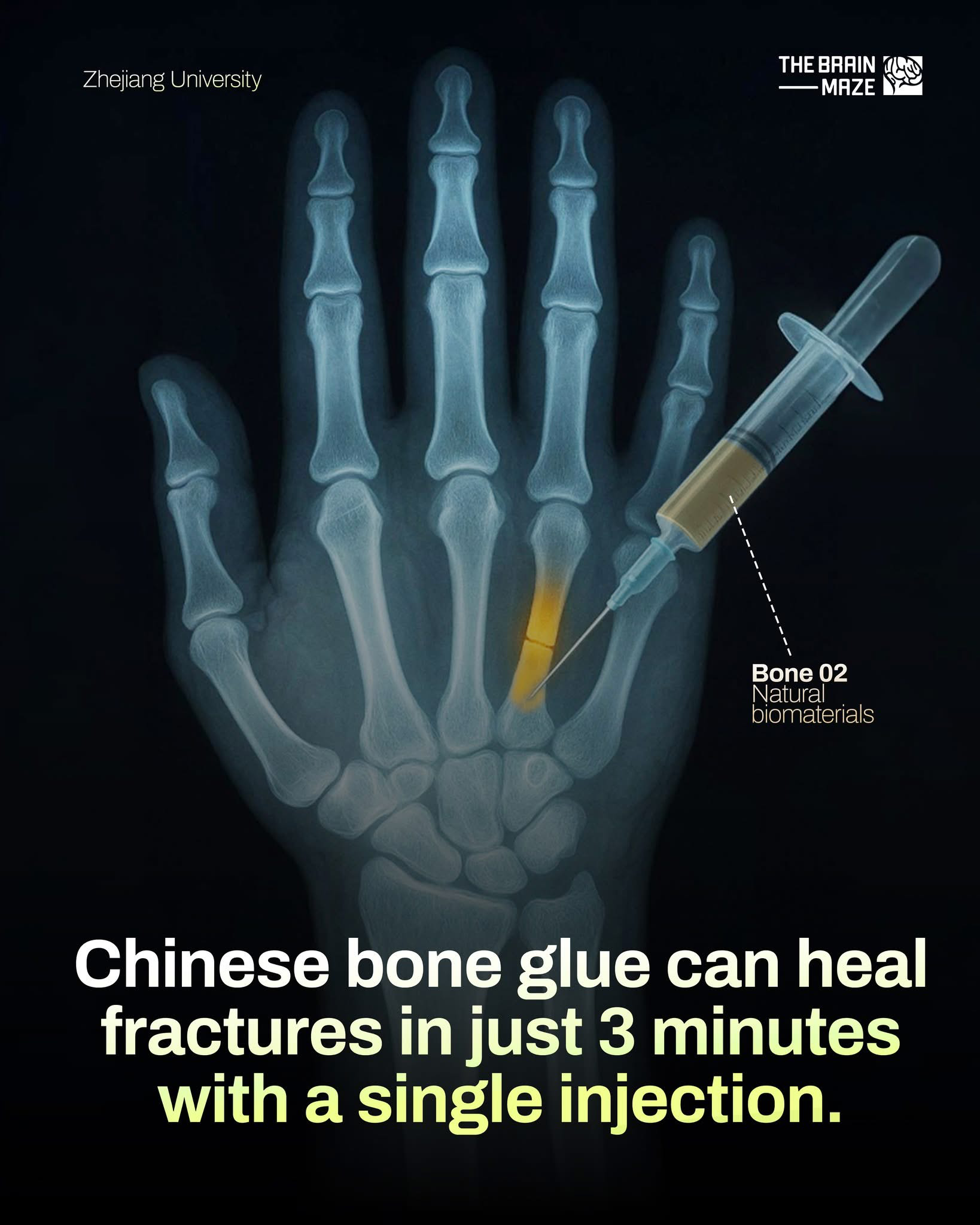
China just developed a revolutionary "bone glue" that repairs fractures in 3 minutes with one injection—and here's the key: AI algorithms optimized the formula. Machine learning models analyzed millions of molecular combinations to find the perfect bonding compound, cutting development time from years to months. No surgery needed. Faster recovery. Lower costs. This is how automation is reshaping emergency medicine.
How AI Made This Possible
Researchers didn't stumble onto this compound by accident. Machine learning algorithms screened hundreds of millions of molecular structures, predicting which combinations would bond fastest and safest. What would've taken a human team decades took AI systems months to analyze.
The glue bonds broken bones in three minutes flat, eliminating the need for invasive surgeries in most cases. That means faster recovery, less pain, lower hospital costs, and robots/automation handling more of the diagnostic work in ERs.
Where This Tech Gets Deployed
Emergency rooms: Automated triage systems could identify fracture candidates instantly, and staff could inject the glue within minutes of arrival.
Sports medicine: Athletes could return to training faster with data-driven recovery protocols tied to the glue's performance metrics.
Battlefields: Trauma automation systems could administer treatment in seconds, reducing patient load on field hospitals.
Workplace safety: Predictive algorithms could flag high-injury job sites, and on-site medical robots could apply the glue immediately.
The Bigger Picture: Automation in Medicine
This bone glue is just one example of how AI-driven drug discovery is transforming healthcare. Instead of guessing which compounds work, algorithms run millions of simulations. Regenerative medicine breakthroughs that once took 10+ years now happen in 18 months.
Clinical trials are underway, but the potential is massive. Fractures could stop being a major life disruption. Recovery time could drop from months to days. Hospitals could reduce surgery schedules and redeploy staff to other critical areas.
Doctors won't disappear—they'll focus on what they do best: patient care and decision-making. The grunt work of molecular discovery? That's AI's job now.
What People Ask About This
Is the bone glue safe?
Clinical trials are still ongoing, but early data looks solid. The compound is biocompatible and designed to dissolve after the bone fully heals, reducing long-term complications.
Will it replace surgery entirely?
Not for complex fractures. But for simple breaks, compound fractures that don't need realignment, and stress fractures? Yeah, this could eliminate surgery in millions of cases.
How much will it cost?
Still unknown, but automating the discovery process means lower R&D costs. Expect pricing to be cheaper than traditional surgical repair once it hits the market.
When can I get it?
If trials go well, probably 2026-2027 in China first, then global rollout. Regulatory approval takes time, but momentum is real.
What does this mean for healthcare workers?
Fewer orthopedic surgeries needed. More focus on patient data analysis and recovery monitoring. The future of work in medicine is shifting from invasive procedures to algorithm-driven precision treatment.
Could AI have done this alone?
No. AI found the compound. Humans designed the trials, validated safety, and made strategic decisions. This is human-AI collaboration at its best.
Related Reading
AI Drug Discovery: How Algorithms Are Replacing Years of Lab Work
Automation in Healthcare: What Jobs Are Actually Disappearing
The Future of Work: Which Careers Will AI Transform First
Machine Learning in Medicine: 5 Breakthroughs Already Saving Lives
Biotech Automation: How Robots Are Speeding Up Scientific Research