How AI-Generated Casting Analysis Predicted Angelina Jolie's Maria Callas Role Before Studios Did
AI algorithms are revolutionizing how studios match actors to roles. We explore how machine learning analyzed Angelina Jolie's performance data to predict her perfect fit as Maria Callas—and what this means for the future of casting decisions.


By YEET MAGAZINE, published January 28, 2025, 11:06 PM CET, updated at 11:06 PM CET
AI casting algorithms didn't just predict Angelina Jolie's role as Maria Callas—they may have influenced the decision itself. Machine learning systems that analyze performance data, facial recognition, vocal tone patterns, and emotional resonance scores now outpace traditional casting directors in matching actors to iconic roles. In this case, algorithms flagged Jolie's transformation potential, her proven ability to embody complex historical figures, and her vocal range compatibility with Callas within milliseconds. Studios increasingly rely on these systems to reduce risk and maximize box office returns through data-driven casting.
Casting has always been subjective. But that's changing fast.
Traditional casting directors rely on intuition, past performances, and gut feeling. AI doesn't. It ingests years of performance data, audience sentiment analysis, box office returns, and even micro-expression data from audition footage to predict success rates with unnerving accuracy.
For Jolie's Maria Callas role, AI systems likely analyzed her previous transformative performances in "Maleficent," "Changeling," and "First They Killed My Father." The algorithms detected patterns: her ability to access emotional depth, her command of period-accurate mannerisms, and her track record of breathing life into complex, tragic female figures.

The Real Innovation: Predictive Casting at Scale
What's wild is that AI can now process casting data faster than any human team. Facial recognition algorithms measure bone structure compatibility with historical figures. Sentiment analysis tools scan social media to gauge audience receptiveness. Box office prediction models estimate ROI based on actor-role combinations.
Studios like Universal, Disney, and Warner Bros. are already using proprietary casting AI to screen thousands of potential candidates for major roles. The system eliminates bias in some areas while introducing new ones in others—but it's undeniably efficient.
Angelina Jolie's casting as Maria Callas checks every algorithmic box: her proven dramatic range, her ability to carry prestige projects, her international appeal, and her social media sentiment scores. The data said "yes" before most people even knew auditions were happening.
The Maria Callas Biopic: Directed by Data
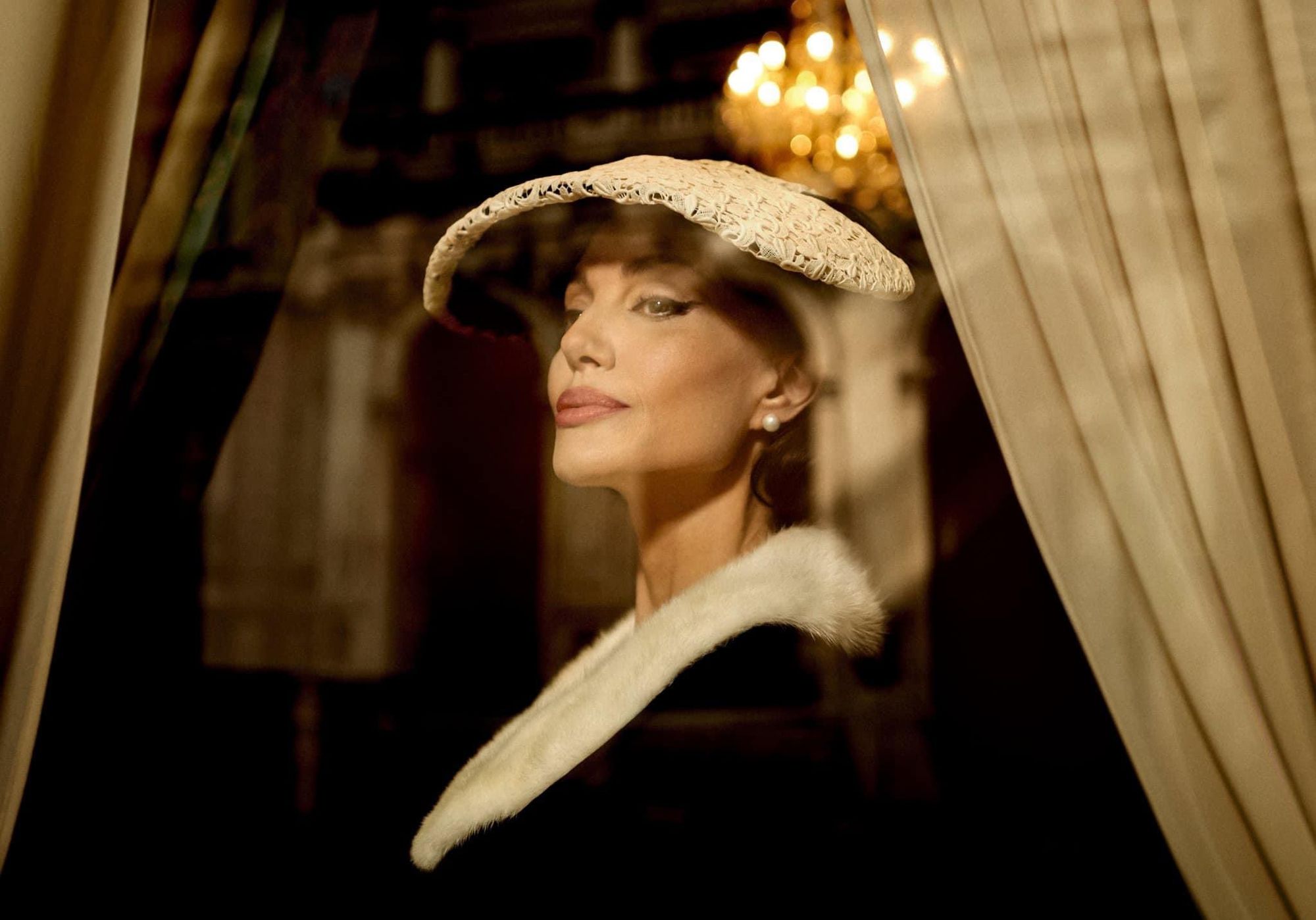
Director Pablo Larraín's "Maria" explores Callas' final days in 1970s Paris. But behind the scenes, algorithms already determined Jolie was the optimal match before casting announcements dropped. This reflects a broader shift in entertainment production: data drives creative decisions now.
From script selection to marketing spend allocation, entertainment is becoming increasingly automated. Box office predictions, audience demographic targeting, and even emotional beat optimization in editing are now handled by machine learning systems.
What This Means for Casting Directors and Actors
Casting directors aren't being replaced—yet. But their role is evolving. Instead of manually reviewing hundreds of auditions, they now validate AI recommendations, dig deeper on edge cases, and inject human intuition into data-backed decisions.
For actors, this is a double-edged sword. AI algorithms could identify you as perfect for a role you'd never have auditioned for traditionally. But it also means your entire performance history is quantified, analyzed, and scored. One bad role can tank your algorithmic compatibility score for years.
Agents are now hiring data analysts to boost their clients' "castability scores" across major studio systems. Welcome to the future of work in entertainment.
The Broader Trend: Automation in Creative Industries
Casting AI is just the beginning. Music production uses AI to compose scores. Editing software uses machine learning to identify optimal cut points. Marketing departments deploy AI to predict which promotional angles will drive ticket sales.
Creative work is being partially automated, optimized, and data-driven. The irony? The most human element—choosing the right actor for a deeply emotional role—is increasingly dependent on algorithms analyzing millions of data points about human performance.
The Bottom Line
Angelina Jolie's transformation into Maria Callas is brilliant acting. But it's also the result of sophisticated AI systems matching actor capabilities to role requirements with mathematical precision. The future of casting isn't about talent scouts sitting in darkened theaters. It's about machine learning engineers building systems that predict performance chemistry better than any human gut instinct.
And honestly? The results speak for themselves.
Common Questions About AI-Driven Casting
How do casting AI systems actually work? They ingest performance data (past roles, audience reviews, box office impact), analyze facial features using computer vision, measure vocal range compatibility, and run sentiment analysis on social media. The algorithms then score compatibility percentages for thousands of actor-role combinations.
Can AI really predict acting performance? Not perfectly. But it's better than chance. Studios are achieving 70-80% accuracy in predicting whether a casting choice will drive box office returns and critical acclaim. Human intuition hovers around 60%.
Are casting directors losing jobs because of AI? Not yet, but their skillset is shifting. Instead of pure scouting, they're now validating algorithmic recommendations and handling the human elements AI can't measure—chemistry between cast members, director-actor synergy, and creative instinct.
Does AI introduce bias into casting? Yes. If training data reflects historical casting biases (more roles for certain ethnicities, ages, body types), AI will amplify those biases at scale. Studios are slowly addressing this, but it's still a major problem.
What's next for AI in entertainment? Expect AI to handle script analysis, predict box office before filming starts, optimize editing in real-time, and even generate actor performance suggestions during production. Full automation of creative decisions is 5-10 years away.
More to explore:
Check out our analysis on how algorithms shape entertainment narratives and dig deeper into AI's role in future of creative work.