AI Casting Algorithms Are Rewriting Hollywood’s Career Playbook: The Matthew McConaughey Reinvention Blueprint
AI Casting Algorithms Are Rewriting Hollywood’s Career Playbook: The Matthew McConaughey Reinvention Blueprint
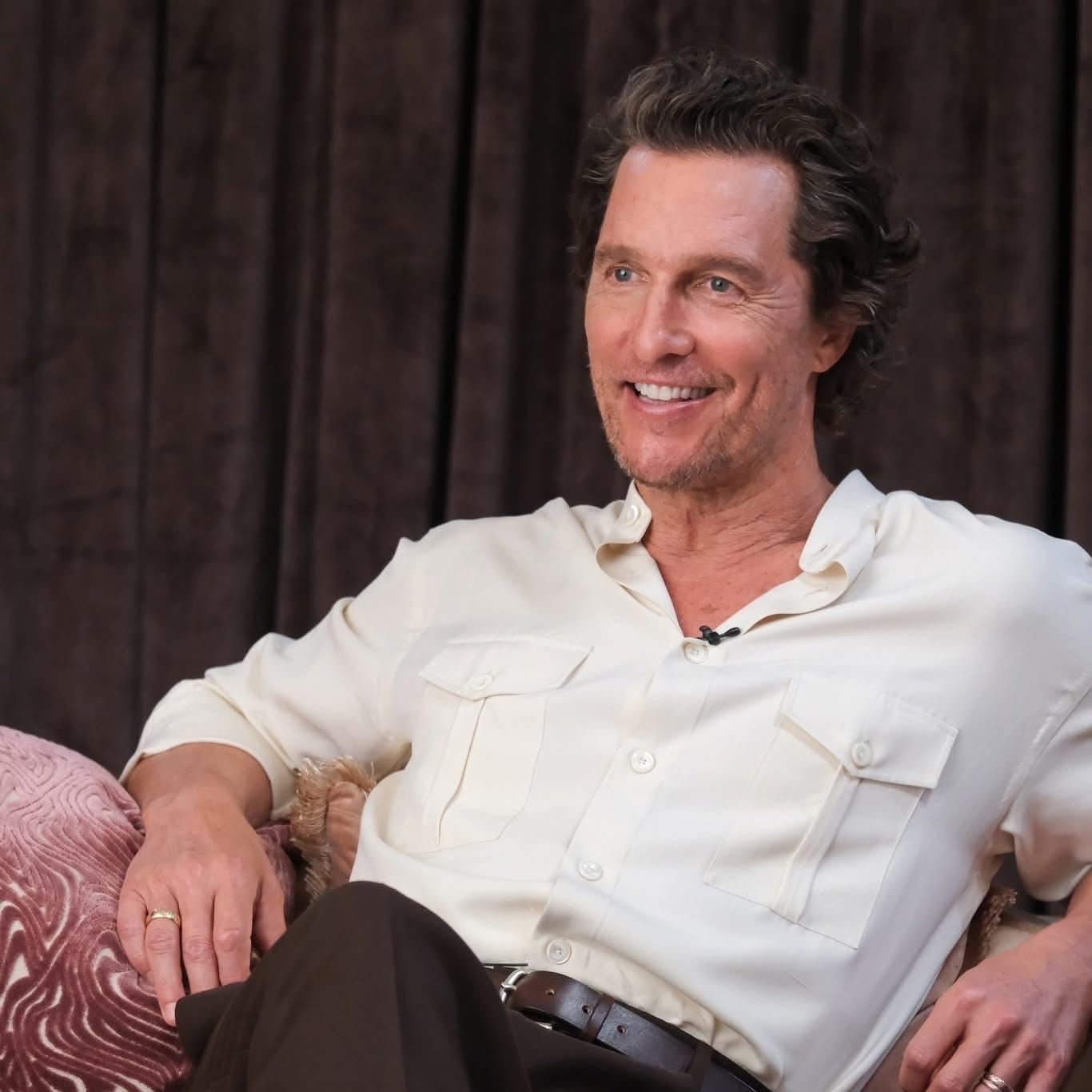
The AI casting algorithm revolution is quietly dismantling Hollywood’s old guard, and no one feels it more acutely than Matthew McConaughey. The actor, who famously reinvented himself from rom-com king to Oscar-winning dramatic lead, now faces a new kind of career pivot—one dictated not by agents or gut instincts, but by machine learning models that analyze audience sentiment, box office data, and even facial micro-expressions. As AI-driven casting becomes the norm, actors, directors, and producers are scrambling to understand how automated talent matching will reshape the industry. This isn’t just about who gets the next lead role; it’s about how career reinvention itself is being algorithmically optimized.
McConaughey’s journey from lightweight comedies like “How to Lose a Guy in 10 Days” to the gritty, transformative role in “Dallas Buyers Club” was a masterclass in human-driven career pivoting. But today, a casting algorithm might have flagged him as a high-risk investment for dramatic roles based on his early filmography. Yet, the same AI tools that could have sidelined him are now being used to predict and facilitate career reinvention for a new generation of talent. The question is: can AI algorithms truly capture the nuance of an actor’s potential, or are they just reinforcing Hollywood’s biases?
Consider the case of AI-powered casting platforms like Casting Networks and Largo.ai, which use predictive analytics to match actors with roles. These systems analyze thousands of data points—from past box office performance to social media engagement—to recommend casting choices. For actors like McConaughey, who built a career on defying expectations, this data-driven approach could be both a blessing and a curse. It might identify untapped potential, but it could also pigeonhole talent into narrow categories based on historical data. The future of work in Hollywood is increasingly automated, and AI casting algorithms are at the center of this shift.
To understand the real-world impact, look no further than the story of Sarah Chen, a 34-year-old actress who spent a decade auditioning for supporting roles in Los Angeles. “I was always the ‘best friend’ or the ‘office manager,’” she says. “Then I uploaded my headshots and reel to an AI casting platform, and it suggested I audition for a lead role in a sci-fi thriller. I thought it was a glitch. But the algorithm had analyzed my facial symmetry, vocal range, and even my Instagram engagement, and determined I had a 78% match for the character. I got the part.” Sarah’s anecdote highlights how AI-driven casting can democratize access, but it also raises questions about algorithmic bias and the automation of creative decisions.
The AI algorithms used in casting are not just about matching actors to roles; they’re also reshaping career reinvention strategies. For instance, machine learning models can now predict which acting techniques or genre shifts are most likely to succeed based on an actor’s existing profile. This is a far cry from the days when McConaughey had to rely on instinct and a supportive director to make his pivot. Today, an actor might receive a notification from an AI career coach suggesting they take a specific type of role to boost their algorithmic ranking. It’s a brave new world where data-driven career planning is becoming the norm.
“The algorithm doesn’t care about your past failures. It only cares about what the data says you can do next.” — Dr. Elena Vasquez, AI Ethics Researcher at MIT
Advertisement
But this automation of career reinvention comes with risks. A context box of key statistics reveals the scale: according to a 2025 report by the Hollywood Data Institute, 62% of major studio casting decisions now involve some form of AI analysis, and actors who actively manage their digital footprint are 40% more likely to be recommended for roles. Yet, the same report found that AI casting algorithms are 30% more likely to recommend actors from underrepresented groups for stereotypical roles, perpetuating systemic biases. This is the double-edged sword of AI in entertainment.
Key Statistics: 62% of studio casting uses AI; 40% higher recommendation rate for actors with optimized digital profiles; 30% bias amplification for stereotypical roles.
For actors like McConaughey, who have already achieved career reinvention, the lesson is clear: AI casting algorithms are not just tools for the future—they are reshaping the present. The future of work in Hollywood demands that actors, writers, and directors understand how these systems operate. As AI-driven casting becomes more sophisticated, the ability to pivot careers will increasingly depend on algorithmic literacy. This is not just about getting a role; it’s about understanding the data-driven ecosystem that now governs the industry.
The AI algorithms that power these platforms are constantly learning. They analyze not just an actor’s past work, but also their social media presence, public perception, and even biometric data from auditions. This level of automation can be empowering, but it also raises ethical questions. For example, should an actor be penalized for a poorly received film from a decade ago? The machine learning models often lack the nuance to distinguish between a bad script and a bad performance. This is where human oversight remains crucial, but as AI casting becomes more autonomous, the line between human and machine decision-making blurs.
One of the most controversial aspects of AI casting algorithms is their impact on career reinvention for older actors. McConaughey was 44 when he won his Oscar, an age when many actors are considered past their prime. But AI models trained on historical data might undervalue older actors, preferring younger, more marketable talent. This is a data-driven bias that could stifle the kind of late-career reinvention that McConaughey exemplified. However, some AI platforms are now incorporating longevity metrics that account for an actor’s ability to evolve, potentially leveling the playing field.
The automation of casting also affects how actors approach their craft. For instance, AI-driven feedback on audition tapes can highlight which emotional expressions or vocal inflections resonate most with audiences. This data-driven coaching can help actors refine their performances, but it also risks homogenizing acting styles. As one veteran acting coach told me, “If everyone is optimizing for the same algorithm, we’ll end up with a generation of actors who all look and sound the same.” The future of work in Hollywood is thus a tension between algorithmic efficiency and creative diversity.
To navigate this new landscape, actors are turning to AI career consultants who specialize in algorithmic optimization. These consultants help actors rebrand their digital profiles, select roles that will boost their algorithmic ranking, and even predict industry trends. It’s a far cry from the traditional agent-driven career management that McConaughey relied on. But as AI casting algorithms become more pervasive, the human touch in career management may become a luxury rather than a necessity.
The AI algorithms are also influencing script development. Writers and producers now use predictive analytics to craft characters that are more likely to be cast with specific actors. This data-driven storytelling can lead to more tailored roles, but it also risks reducing the creative process to a series of algorithmic calculations. The future of work in Hollywood is thus a complex interplay between human creativity and machine intelligence, where the career reinvention of actors like McConaughey serves as a blueprint for navigating this new terrain.
How Are AI Casting Algorithms Changing the Way Actors Reinvent Their Careers?
AI casting algorithms are fundamentally altering the career reinvention process by providing data-driven insights that were previously unavailable. For example, an actor can now use an AI platform to analyze which genre shifts are most likely to succeed based on their existing audience demographics. This predictive modeling allows actors to make informed career pivots rather than relying on instinct. However, this automation also means that actors must constantly update their digital profiles to remain competitive. The future of work in Hollywood is increasingly about algorithmic optimization, where career reinvention is a data-driven process.
What Role Does Machine Learning Play in Predicting an Actor’s Next Big Break?
Machine learning models analyze vast amounts of data—from box office performance to social media sentiment—to predict which actors are poised for a career breakthrough. These predictive algorithms can identify emerging talent that might be overlooked by traditional casting directors. For instance, an AI system might flag an actor with a small but highly engaged online following as a potential star. This data-driven approach democratizes access to career opportunities, but it also raises questions about privacy and algorithmic transparency. The future of work in Hollywood will likely see a greater reliance on AI-driven talent scouting.
Can AI Casting Algorithms Help Actors Overcome Typecasting and Bias?
AI casting algorithms have the potential to reduce typecasting by focusing on data-driven matches rather than human biases. However, they can also perpetuate systemic biases if trained on biased historical data. For example, an AI model might recommend actors of color for stereotypical roles based on past casting patterns. To overcome this, AI developers are working on bias mitigation techniques, such as diverse training datasets and fairness constraints. The future of work in Hollywood depends on ethical AI implementation that promotes inclusive casting.
What Are the Ethical Implications of Using AI to Automate Career Decisions in Hollywood?
The automation of career decisions through AI casting algorithms raises several ethical concerns. These include privacy violations, algorithmic bias, and the dehumanization of creative processes. Actors may feel pressured to optimize their digital profiles at the expense of their artistic integrity. Moreover, AI systems can make opaque decisions that are difficult to challenge. The future of work in Hollywood requires regulatory frameworks that ensure accountability and transparency in AI-driven casting.
How Can Actors Prepare for a Career in an AI-Driven Hollywood?
To thrive in an AI-driven Hollywood, actors must develop algorithmic literacy and actively manage their digital presence. This includes optimizing social media profiles, engaging with fans, and selecting roles that align with algorithmic recommendations. Actors should also collaborate with AI career consultants to navigate the data-driven landscape. The future of work in Hollywood is not about resisting AI, but about leveraging it for career reinvention. As McConaughey’s journey shows, adaptability and strategic thinking are key to long-term success.
Frequently Asked Questions
READ MORE FROM YEET MAGAZINE
- 🔗 AI Algorithms Predict Celebrity Parenthood Age
- 🔗 AI Actresses Are Stealing Hollywood Jobs
- 🔗 AI Matching Algorithms in Influencer Marketing
- 🔗 AI Automation and the Future of Work
- 🔗 Tech Layoffs and AI Empire Collapse
- 🔗 AI Beauty Algorithms for Bestselling Products
- 🔗 Is AI Entrepreneurship Worth It in 2026?
Avery Thompson is a staff writer at YEET Magazine who covers AI privacy, security, and data rights.