How AI-Designed Concept Cars Are Reshaping Automotive Aesthetics: The Jaguar-Cybertruck Hybrid
Studio Enemy's concept car merges Jaguar Type 00 heritage with Cybertruck innovation—but behind the scenes, AI algorithms are reshaping how designers approach automotive aesthetics. Here's how machine learning is automating the future of car design.

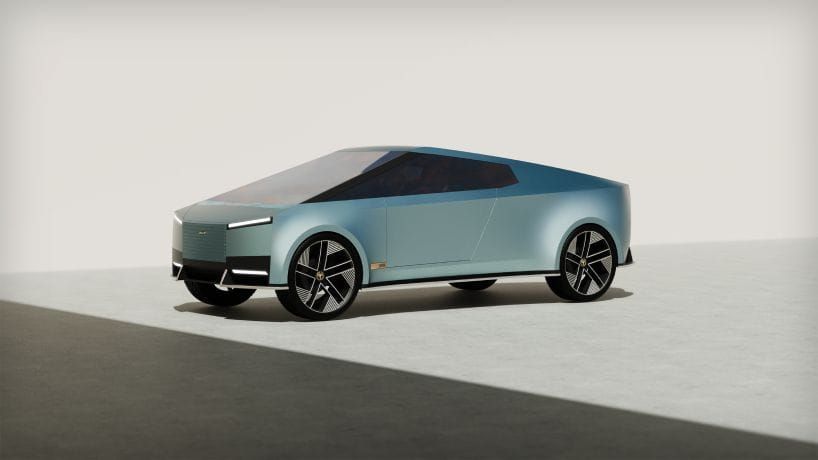
AI-assisted design tools and generative algorithms are transforming concept car creation. Studio Enemy's hybrid merging the Jaguar Type 00 with Tesla's Cybertruck represents how machine learning now helps designers balance heritage aesthetics with futuristic innovation. Algorithms analyze millions of design variables—aerodynamics, material efficiency, structural integrity—in seconds, freeing designers to focus on creative vision rather than computational grunt work.
This shift matters: automotive design is moving from human intuition to data-informed creativity. AI tools evaluate design choices against performance metrics, safety parameters, and sustainability goals simultaneously.
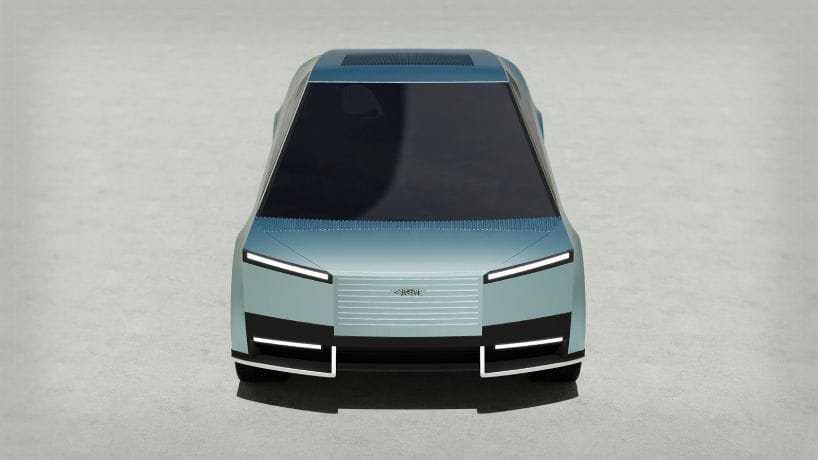
The Design Fusion
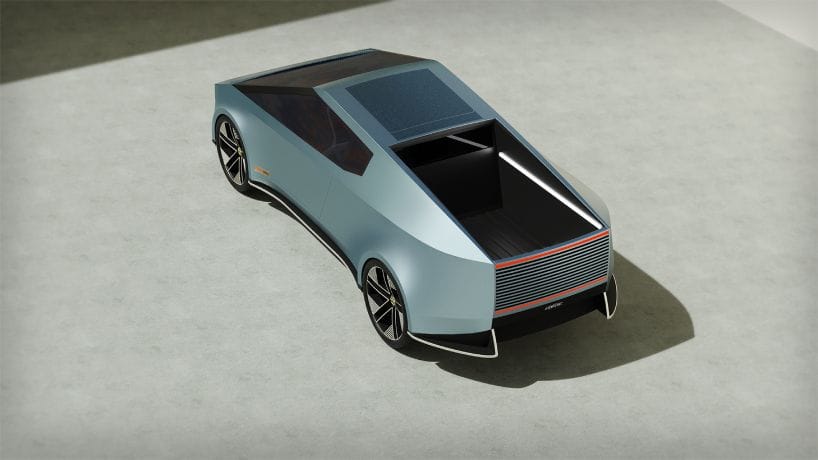
The Jaguar Type 00's timeless luxury lines meet the Cybertruck's angular, disruptive geometry. Generative design algorithms helped Studio Enemy merge these opposing aesthetics by identifying geometric patterns that satisfy both visual languages. The sleek, aerodynamic Type 00 silhouette gets sharpened by Cybertruck's industrial edges—a balance AI helped optimize without human trial-and-error waste.
Lightweight, sustainable materials weren't chosen by guesswork. Material science algorithms evaluated carbon footprint against structural integrity, weight distribution, and manufacturing feasibility. The result? A design that's both eco-friendly and performance-ready.
Why Automotive Design Is Going Algorithmic
Car design studios now run simulations across thousands of design variations in hours. Computational fluid dynamics (CFD) algorithms test aerodynamics. Machine learning models predict manufacturing costs and feasibility. Design intent becomes data-driven rather than inspiration-driven.
The old workflow—sketch, iterate, test, repeat—gets compressed. Designers sketch, algorithms validate against 50+ parameters simultaneously, and you're already three iterations ahead.
The Future: Automation Meets Creativity
This isn't about robots replacing designers. It's about automation handling the grunt work. Generative design tools are the new drafting table. They democratize access to sophisticated analysis that once required teams of engineers. A solo designer can now make decisions previously reserved for massive R&D departments.
Studio Enemy's concept proves the point: bold creative vision paired with algorithmic validation produces designs that wouldn't emerge from pure intuition or pure computation alone.
Q&A on AI-Driven Automotive Design
How do generative design algorithms work in car design? They use parametric modeling to generate hundreds of design variations based on constraints you feed in—weight limits, performance targets, aesthetic direction. Machine learning then ranks options against your criteria, surfacing designs humans might not have conceived.
Can AI truly replace human designers in automotive? No. AI accelerates and validates design decisions. It eliminates tedious recalculation. But human creativity—knowing when to break rules, seeing design poetry in proportions—remains irreplaceable. The future is hybrid: creatives + algorithms.
What's the timeline for AI-designed cars hitting production? Concept cars use heavy AI assistance now. Production vehicles are slower—safety regulation and manufacturing constraints require more traditional validation. Expect mainstream AI-assisted design by 2026-2027, but human approval chains remain.
Does algorithmic design produce generic results? Only if constraints are generic. Well-designed briefs produce distinctive outputs. Studio Enemy's concept works because they fed AI both Jaguar's DNA and Cybertruck's DNA—the algorithm found overlap points humans would've missed.
Related Reading:
Check out how generative AI design tools are reshaping industrial design workflows and why automation won't replace designers—it's changing what they do. Also worth reading: how algorithms now shape product strategy.