How AI Tour Analytics Are Reshaping Concert Venue Selection: Inside Babyface's 2025-2026 Algorithm
Babyface's 2025-2026 world tour isn't just about great R&B—it's powered by AI-driven venue selection and fan analytics. Machine learning algorithms now determine where artists perform and how they connect with audiences. Here's how.

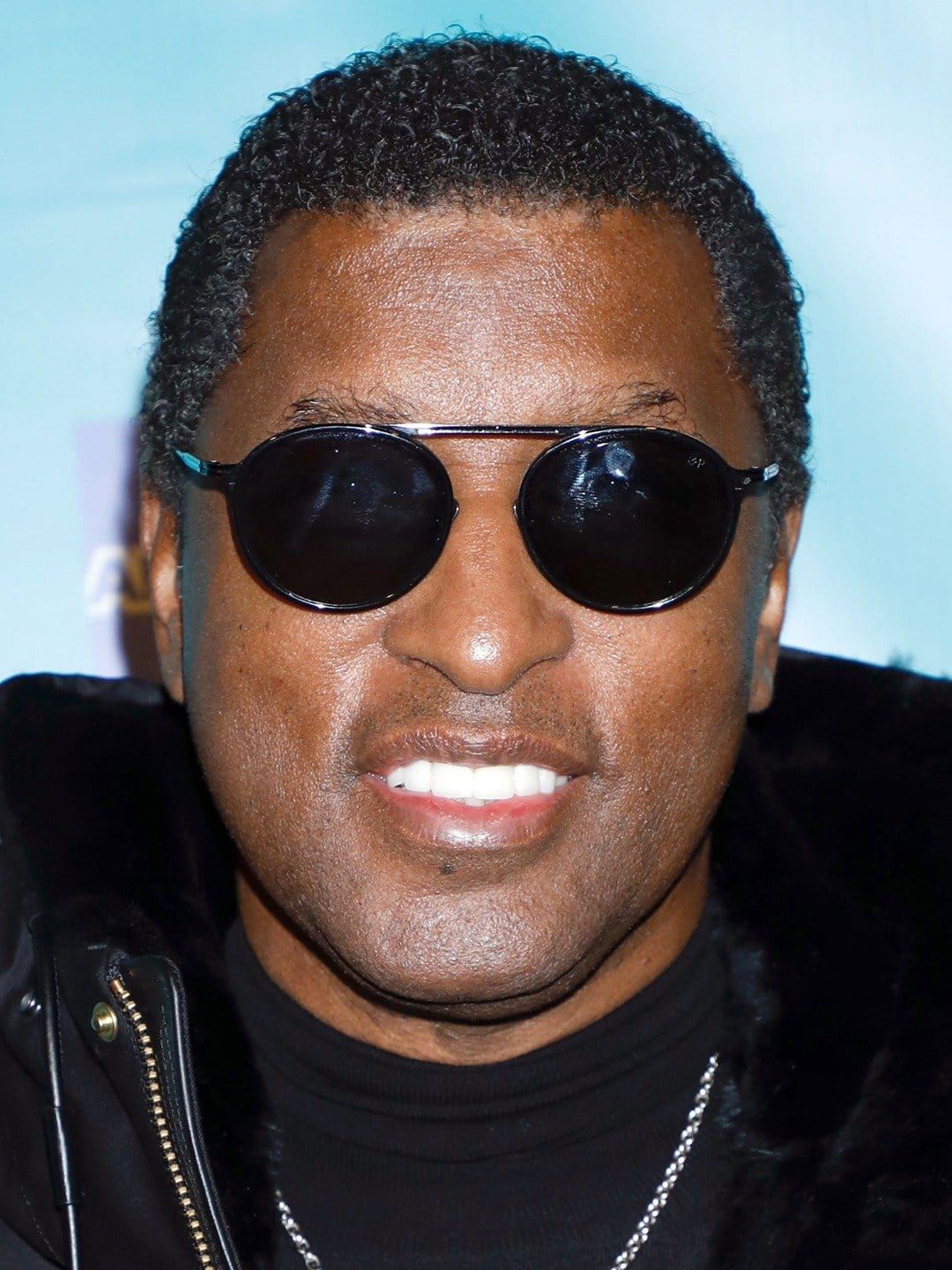
Babyface's legendary 2025-2026 tour spans amphitheaters, stadiums, and cruise ships worldwide. But behind every venue choice? Machine learning algorithms analyzing fan data, venue capacity, ticket sales patterns, and logistics. AI isn't just automating concert promotion—it's fundamentally reshaping how R&B icons connect with global audiences.
How AI Powers Modern Tour Planning
Gone are the days of promoters picking venues based on gut feel. Today's touring infrastructure runs on algorithms. Predictive analytics scan social media sentiment, historical ticket sales, travel patterns, and demographic data to determine which cities will generate the most revenue and fan engagement.
For Babyface's tour, machine learning models likely processed:
- Fan location clusters from streaming data (Spotify, Apple Music)
- Ticket purchase velocity across different venue types
- Social media engagement heatmaps by region
- Venue availability and logistics costs
- Real-time competitor tour schedules
The Venue Selection Algorithm
Amphitheaters in Texas. Stadiums in Asia. A luxury cruise in the Bahamas. This isn't random. Tour optimization software weighs factors like acoustics (outdoor vs. indoor), accessibility, parking infrastructure, and local fan density. AI models calculate the expected ROI for each venue type.
"It's always the people," Babyface says about his decision-making. But the people behind the scenes? They're running neural networks to find where those people actually are.
Automation in Ticketing & Revenue Optimization
Dynamic pricing algorithms now adjust ticket prices in real-time based on demand. As more fans buy tickets to the October 25 Jakarta show, AI automatically raises prices for remaining inventory. Fans in Jakarta flooded social media with support after the postponement—and that sentiment data feeds back into marketing automation systems, triggering targeted email campaigns and retargeting ads.
Fan Data: The New Currency
Every concert generates data. Who attended? How long did they stay? What songs got the most reaction? Computer vision and audio sensors at live events capture audience behavior, feeding it back into artist recommendation algorithms and future tour planning models.
This isn't surveillance—it's optimization. The same AI that recommends what you listen to on Spotify also recommends where artists should tour next.
Babyface on Connection (The Human Part)
"When you step on stage and hear the crowd sing back the songs you wrote years ago, it's powerful." That emotional truth doesn't change. But the infrastructure making that moment happen? It's running on algorithms, automation, and data pipelines.
AI handles the logistics. Babyface delivers the soul.
The Future: Predictive Performance Analytics
Next-generation tour tech will likely include:
- Real-time crowd sentiment analysis during performances
- Automated setlist optimization based on venue demographics
- AI-generated personalized merchandise recommendations
- Predictive models for which songs drive highest merchandise sales
For now, Babyface keeps it simple: "Thank you for riding with me all these years." But behind those words? Entire data teams ensuring he's performing in front of the right audiences, at the right venues, with the right margins.
Where to Get Tickets & Tour Info
Visit babyfacemusic.com or Ticketmaster for official dates and venues.
Quick Fire Q&A
How do tour algorithms pick venues? Machine learning models analyze fan density, streaming data, historical ticket sales, logistics costs, and competitor schedules to maximize revenue and fan reach.
Are AI systems really deciding tour routes? Not entirely—human promoters still make final calls. But AI gives them data. Lots of data.
How does dynamic pricing work at concerts? Algorithms monitor real-time demand and adjust ticket prices. High demand = higher prices. This maximizes venue revenue while clearing inventory.
Can AI predict which songs will get the biggest reaction? Not perfectly. But sentiment analysis on social media and streaming skip rates give promoters strong signals about what fans want to hear.
Is venue selection really that data-driven? Yes. Tour companies like Live Nation use proprietary algorithms to model expected attendance, revenue, and logistics for every potential venue.
What happens to fan data collected at concerts? It feeds back into recommendation algorithms, marketing automation, and future tour planning models. Artists get better at reaching their audiences.
Related Articles
→ How Spotify's Algorithm Determines Which Artists Tour Your City
→ Dynamic Pricing Killed Affordable Concert Tickets—Here's Why
→ The Automation Revolution in Live Entertainment: What Artists Need to Know
→ AI-Powered Setlist Generation: The Future of Live Music Performance