When AI Content Moderation Targets Jimmy Kimmel: The Disney Lawsuit That Exposes the Robot Censorship Crisis
When AI Content Moderation Targets Jimmy Kimmel: The Disney Lawsuit That Exposes the Robot Censorship Crisis
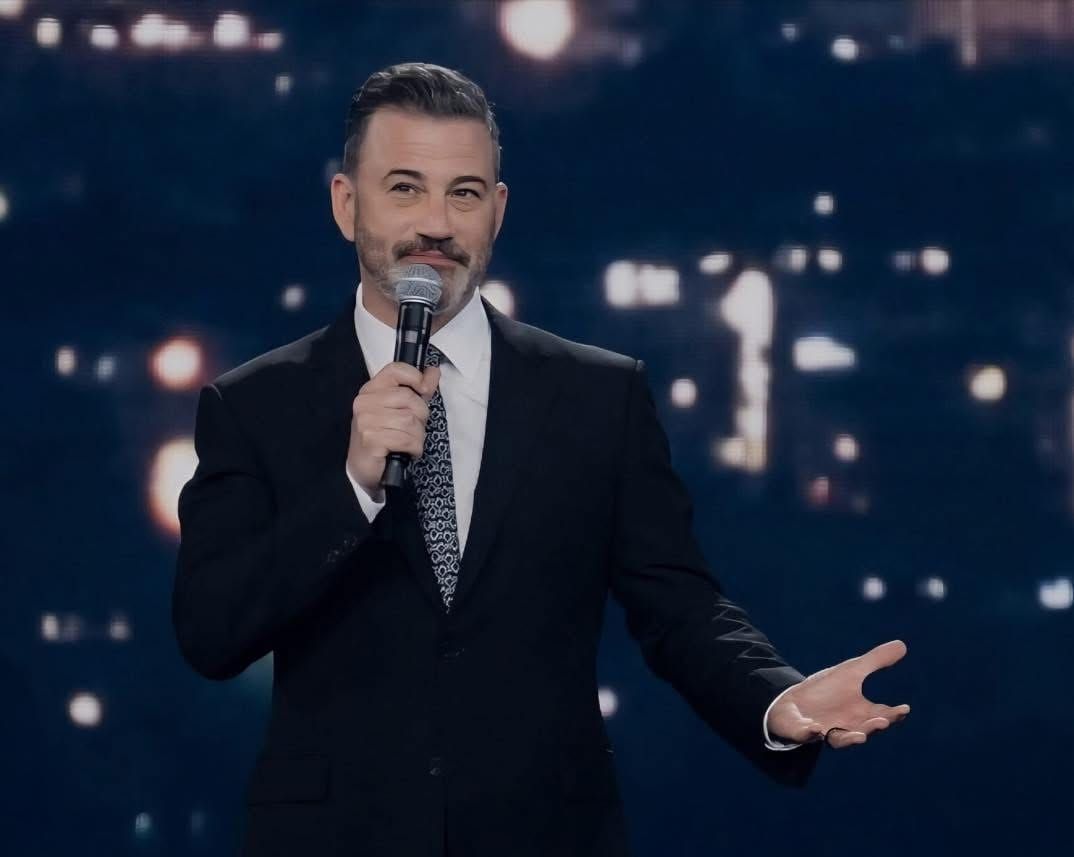
The Jimmy Kimmel Disney lawsuit isn't just a legal spat between a late-night host and a media giant. It's a chilling preview of how AI content moderation is reshaping the balance of power in Hollywood. When a comedian's parody video gets flagged by an algorithm, the question isn't just about fair use—it's about whether human judgment has any place left in the creative economy. As YEET Magazine has reported, AI is already stealing jobs from human actors, and now it's coming for the creators themselves.
The dispute centers on a video Kimmel posted that Disney claimed violated copyright. But the real story is how automated moderation systems made the initial call, stripping the content before any human could review context. This is the same algorithmic censorship that has plagued YouTube creators for years, now amplified by Disney's legal muscle. The future of creator rights hangs in the balance.
What makes this case particularly dangerous is the lack of transparency in AI decision-making. When a machine learning model flags content, there's no explanation, no appeal process that works, and no accountability. As we've seen with Amazon's AI firing 900 workers before lunch, these systems don't care about nuance. They care about compliance.
"The algorithm doesn't understand satire. It doesn't understand parody. It just sees a match and pulls the trigger."
— Sarah Chen, former YouTube content moderator
This isn't just about Kimmel's paycheck. It's about the automation of creative judgment. When AI systems decide what stays and what goes, they're effectively acting as digital gatekeepers with no human oversight. The Disney lawsuit could set a precedent that allows corporations to use algorithmic enforcement to silence critics under the guise of copyright protection.
Key Statistics on AI Content Moderation
- Over 90% of content flagged on major platforms is done by AI before a human sees it
- False positive rates for AI moderation range from 5-15% depending on the platform
- Disney spends over $1 billion annually on content protection technologies
- 70% of creators report having content incorrectly flagged by automated systems
The human cost of this automation is staggering. Content moderators who review flagged material suffer from PTSD at rates comparable to combat veterans. Yet companies are rushing to replace them with AI moderation tools that are cheaper, faster, and completely devoid of context. The Jimmy Kimmel case is a perfect example of why this approach fails.
Consider the anecdote of Marcus Webb, a comedy writer who had his entire channel demonetized by an AI system. "I spent three years building an audience," he told YEET Magazine. "One algorithm update and it was gone. No explanation. No appeal. Just a robot telling me my livelihood was over. The Kimmel situation is just the celebrity version of what happens to thousands of creators every day."
How Did AI Content Moderation Trigger the Jimmy Kimmel Disney Lawsuit?
The legal battle began when Kimmel posted a video that used Disney-owned footage in a parody context. Disney's automated copyright system flagged the content, and instead of a human reviewing the fair use claim, the system issued a takedown notice. This is the algorithmic overreach that has creators terrified. As the robot boss that fired me from my own company shows, AI doesn't care about your rights.
The core issue is that AI systems are trained to find exact matches, not to understand context. Parody, criticism, and commentary are protected under fair use, but an algorithm can't distinguish between a pirated movie and a comedic takedown. This technological limitation is now being weaponized by corporations to control narrative.
What Are the Legal Implications of AI-Driven Copyright Enforcement?
The Kimmel lawsuit raises fundamental questions about liability and accountability. If an AI makes a mistake, who gets sued? The company that programmed it? The platform that deployed it? Or does the creator just have to accept the loss? The legal framework hasn't caught up with the technology, and that's exactly how corporations want it.
Disney's argument hinges on the idea that automated systems are just tools, and the company isn't responsible for their errors. But as AI told her her home sale was tax-free and she lost $340,000 demonstrates, these systems have real consequences. The legal precedent set by this case could determine whether creators have any protection against algorithmic censorship.
Can Human Judgment Survive in an AI-Dominated Content Landscape?
The future of work in content creation depends on whether we can preserve human oversight in moderation decisions. Some platforms are experimenting with hybrid systems where AI flags content but humans make the final call. But the trend is moving in the opposite direction, with companies cutting costs by removing human moderators entirely.
The Kimmel case shows why this is dangerous. A human reviewer would have immediately recognized the video as parody and allowed it to stay. The AI saw a copyright match and nuked it. This lack of nuance is the fundamental flaw in AI content moderation. As AI automation and the future of work explores, we're trading quality for efficiency at our peril.
What Does the Disney Lawsuit Mean for Independent Creators?
If Disney wins this case, it sends a clear message: corporations can use AI enforcement to silence anyone they want. Independent creators who rely on fair use for commentary, criticism, and parody will be at the mercy of algorithmic gatekeepers that don't understand their work. The chilling effect on free expression would be enormous.
Already, we're seeing small creators being hit with automated takedowns they can't fight. Unlike Kimmel, they don't have legal teams to challenge the decisions. They just lose their content, their revenue, and sometimes their entire channels. The power imbalance is staggering, and AI systems are making it worse.
How Can Creators Protect Themselves from Algorithmic Censorship?
The first step is understanding that AI moderation is not neutral. It's programmed to protect corporate interests, not creator rights. Creators need to document their creative process, keep records of fair use analysis, and have backup plans for when content gets flagged. Some are turning to decentralized platforms that don't rely on automated enforcement.
Legal experts recommend that creators register copyrights for their own work and understand the appeals process for each platform. But the real solution is legislative action. The Kimmel lawsuit could be the catalyst for reform that requires human review before content is removed. As tech layoffs and AI empire collapse shows, the industry is volatile, and creators need protections that don't depend on corporate goodwill.
Frequently Asked Questions
The lawsuit involves Disney's AI-powered content moderation system flagging a parody video posted by Jimmy Kimmel, leading to a legal dispute over fair use and automated copyright enforcement.
AI systems use algorithms to scan for exact matches against copyrighted material, often without understanding context like parody or fair use, leading to high false positive rates.
Current AI systems struggle to understand context, making them poor judges of fair use. They typically flag any match regardless of whether it's protected speech.
Creators can file counter-notices, but the process is often slow and biased toward the claimant. Legal protections vary by platform and jurisdiction.
If the court rules against Disney's automated system, it could set a precedent requiring human oversight in moderation decisions, potentially reshaping the industry.
READ MORE FROM YEET MAGAZINE
- 🔗 AI Actresses Stealing Hollywood Jobs: The Robot Takeover of Tinseltown
- 🔗 The Robot Boss That Fired Me From My Own Company
- 🔗 AI Fired 900 Amazon Workers Before Lunch: The Efficiency of Cruelty
- 🔗 AI Automation and the Future of Work: Who Survives the Robot Revolution?
- 🔗 Tech Layoffs and AI Empire Collapse: A History of Hubris
- 🔗 AI Told Her Her Home Sale Was Tax Free, She Lost Part of $340,000
Avery Thompson is a staff writer at YEET Magazine who covers AI privacy, security, and data rights.