How AI-Powered Design Tools Are Reshaping Product Creation: A Chat with Francesco Brunetti
Product designer Francesco Brunetti discusses how AI, trend algorithms, and data analytics now drive industrial design decisions. From Instagram algorithms to market prediction tools, automation is reshaping how designers innovate.

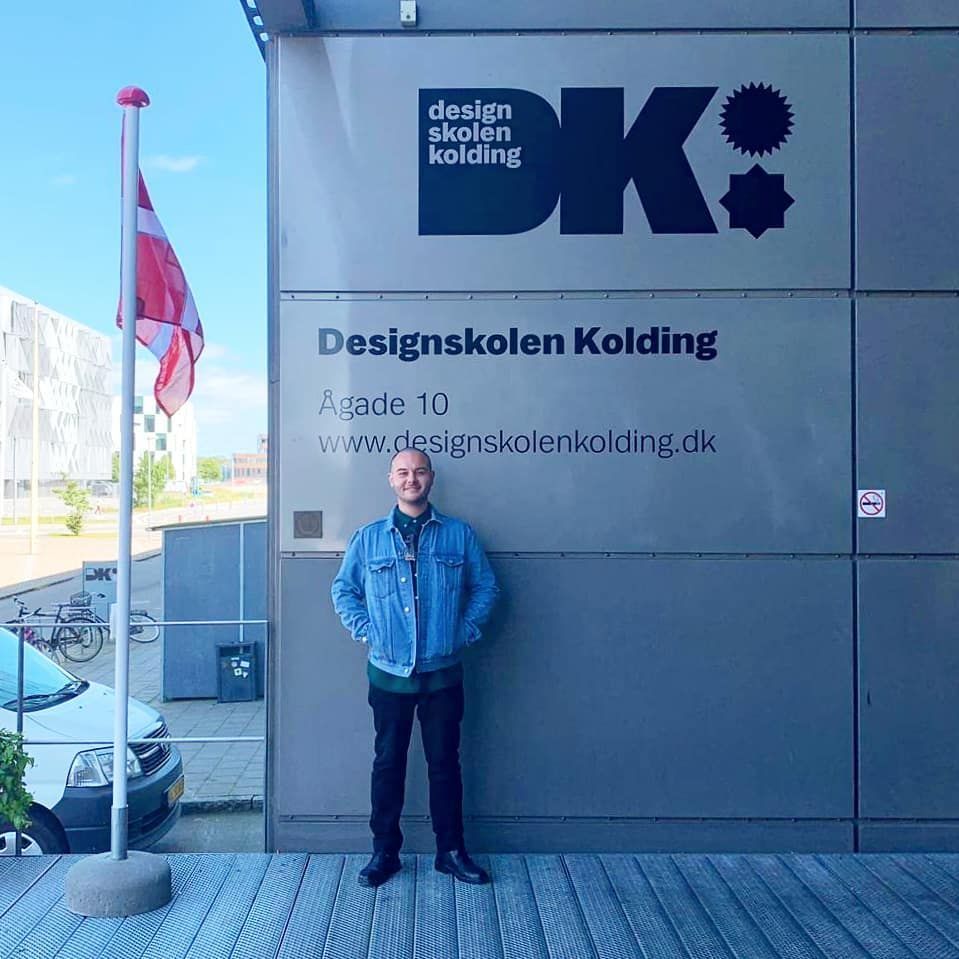
How Algorithm-Driven Insights Are Changing Product Design: Inside Francesco Brunetti's AI-Powered Workflow
By Paola W. Bapelle | YEET MAGAZINE | Updated August 25, 2021
Francesco Brunetti is a 29-year-old industrial designer in Odense, Denmark who's cracked the code on one thing most designers miss: how data, algorithms, and AI now drive product creation. His Instagram following didn't explode by accident—it's the result of understanding algorithmic trends, market demand prediction, and automation tools that identify what consumers actually want before they know it themselves.
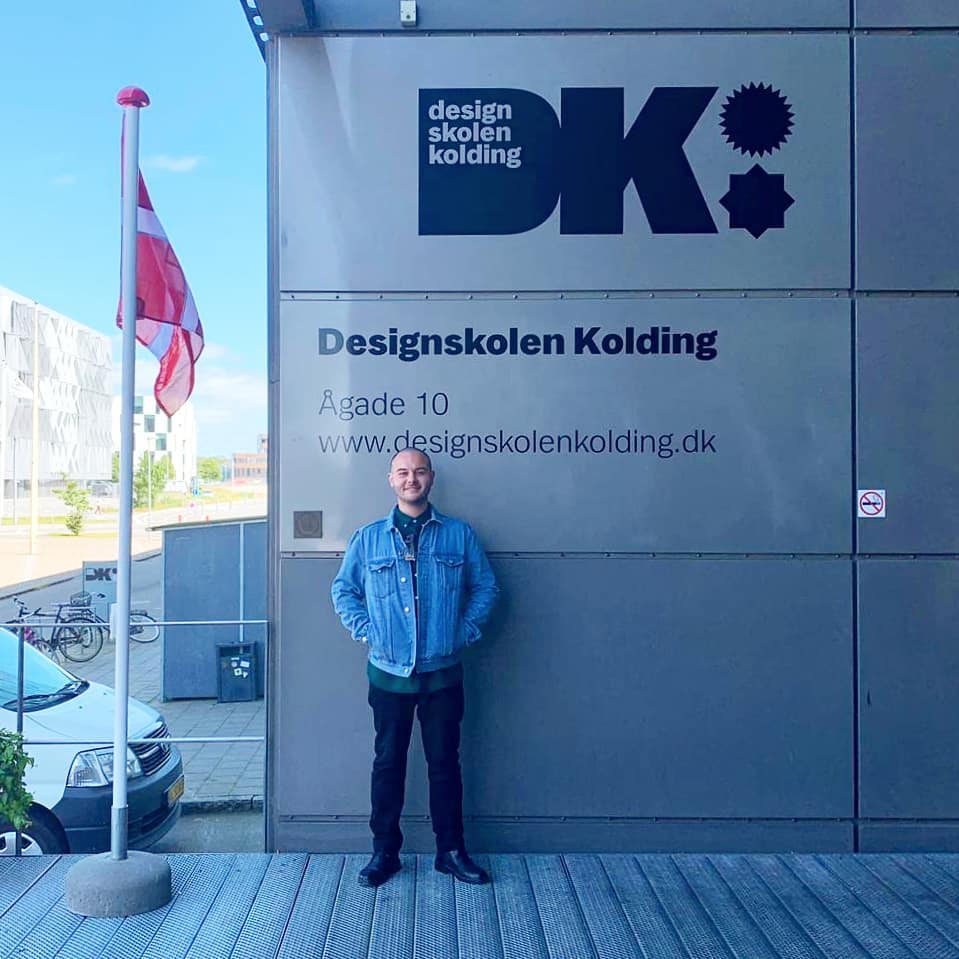
Originally from Italy, Francesco moved to Denmark seven years ago to study Product Development and Innovation Engineering at SDU (University of Southern Denmark). But his real education came from mastering the intersection of creativity and data-driven decision making.
The Algorithm Effect on Modern Design
When Francesco talks about inspiration and market trends, he's really talking about data. Today's industrial designers aren't just sketching—they're reading algorithmic signals. Instagram's recommendation algorithm, Pinterest trend prediction, and Google search data all feed into what he creates.
"Being an industrial designer often means to be updated and able to establish new directions," he explains. Translation: you're watching what algorithms are pushing, what data shows consumers engaging with, and using that intelligence to design ahead of the curve.
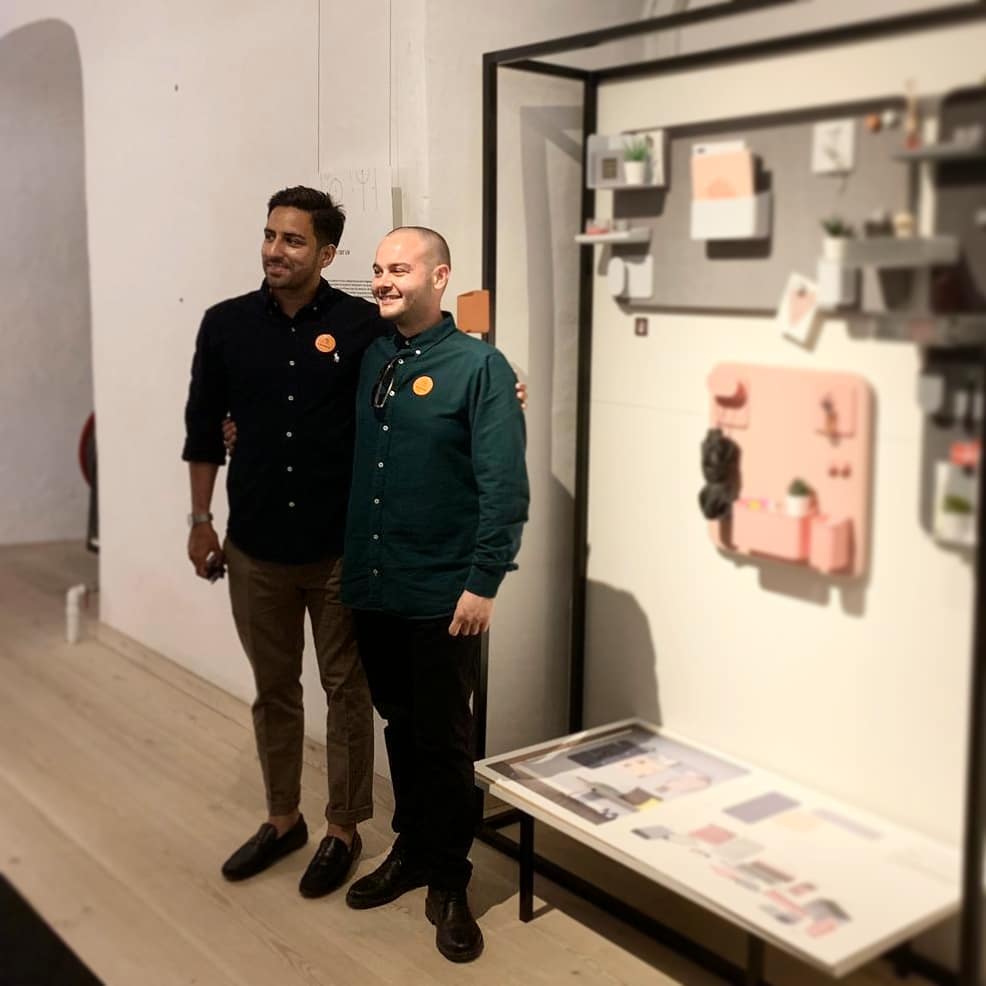
From Childhood Curiosity to Data-Driven Design
Francesco grew up drawing and obsessing over LEGO. He initially studied economics for three years, felt incomplete, backpacked Australia, and somehow ended up in Denmark. The turning point? A second-semester class on industrial design that clicked instantly.
"It was the perfect mix of creativity and rationality," he says. That's exactly what modern design demands now—creativity informed by algorithms, trend data, and market automation tools that tell you what to build before you build it.
His workspace is a mix of analog and digital: laptop, iPad Pro, paper, markers, books. But the real workspace is cloud-based—it's the data feeds, design software with AI features, and the algorithmic feedback loops that inform every decision.
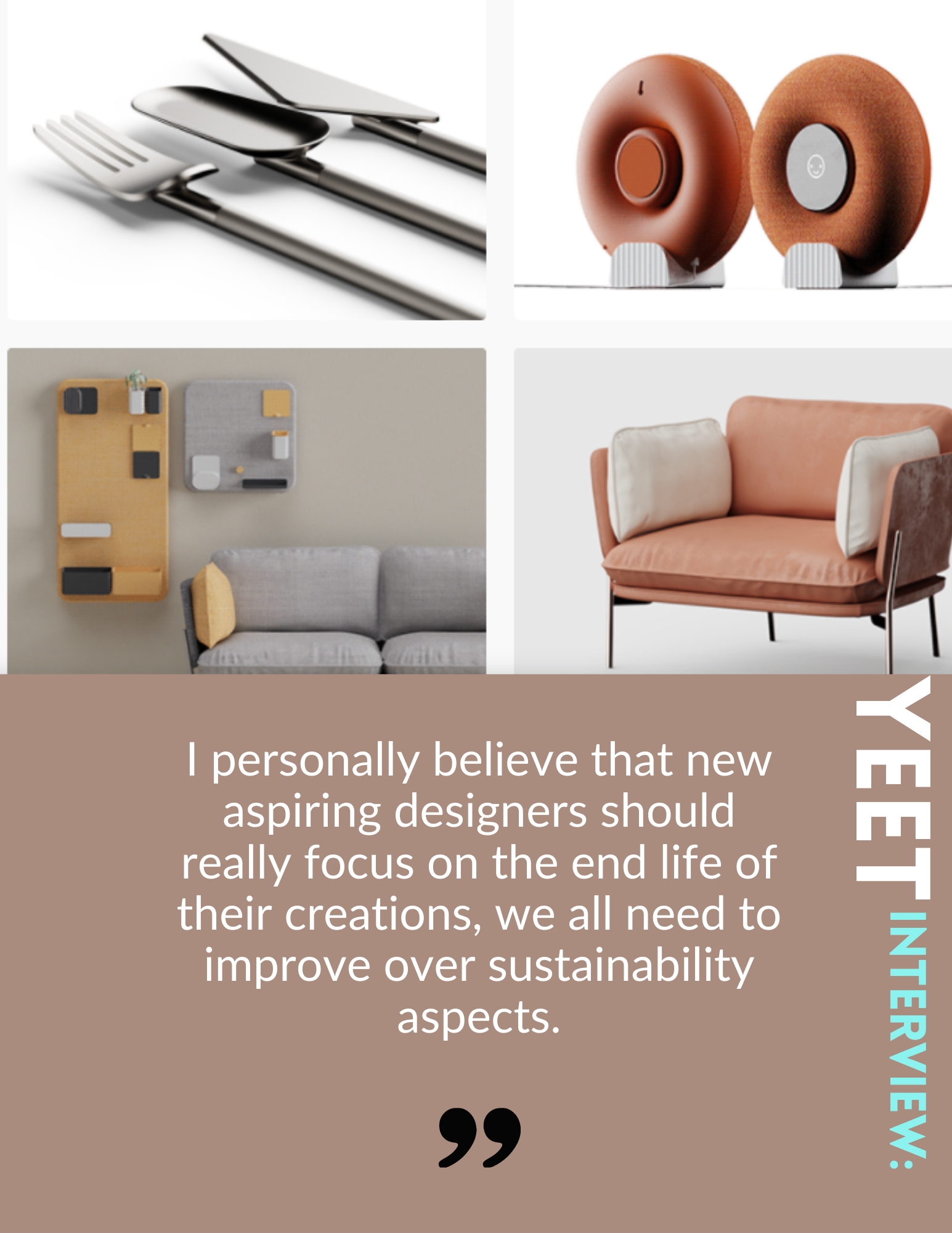
Curiosity Meets Automation: How Designers Win
Francesco's approach to inspiration—finding connections between unrelated things—sounds analog. But in 2024, that's exactly what AI tools do. Machine learning algorithms analyze billions of data points to spot patterns humans miss. Designers who leverage these tools, not fight them, are winning.
"Inspiration can be found everywhere," he says. But today, everywhere includes: competitor analysis automation, social listening tools, trend forecasting algorithms, and consumer behavior data. Smart designers use these to make faster, better-informed creative decisions.

What Actually Separates Talented Designers Now
Francesco's definition: "Talent is a mix of perseverance, determination, and knowledge." In 2024, that extends to knowing your tools. Designers who master AI-assisted design software, understand data analytics, and can read algorithmic trends will outpace those who don't.
It's not about replacing creativity with algorithms. It's about amplifying creativity with automation. Design tools like Figma with AI plugins, Midjourney for ideation, and Adobe's generative features are becoming table stakes. The real talent is knowing when to trust the algorithm and when to override it with human judgment.
The Instagram Algorithm: A Designer's Real Client
Francesco's Instagram success isn't luck. It's understanding that the algorithm is the gatekeeper. Post timing, content format, engagement rate optimization—these are all measurable, automatable. His "Disconnect" series, a viral 2-day project deconstructing everyday items, worked because it understood what Instagram's algorithm rewards: novelty, visual clarity, and shareability.
Modern product designers are essentially designing for three audiences: end users, algorithms, and data analysts. Francesco gets this intuitively. His design process includes checking what's trending, what competitors are doing, and what market data predicts will sell—all before he puts pencil to paper.
The Future of Design Work
As AI and automation reshape product development, designers like Francesco are ahead of the curve because they embrace the tools rather than fear them. The future of industrial design isn't less human creativity—it's human creativity amplified by data, algorithms, and intelligent automation.
His advice applies beyond design: understand the systems (algorithms), master the tools (automation software), and stay curious enough to find unexpected connections. That's how you future-proof your career in any creative field.
Common Questions About AI in Product Design
Q: Does AI replace designers?
No. AI automates repetitive tasks—trend research, mood board assembly, initial ideation. Talented designers use AI to move faster, not to disappear. Francesco's success comes from combining algorithmic insight with human judgment and creative instinct.
Q: What automation tools do modern designers actually use?
Trend forecasting platforms (like WGSN or Trend Union), design software with AI features (Figma, Adobe), social listening tools, competitor analysis automation, and generative AI for rapid prototyping. These aren't replacing sketching—they're accelerating the workflow.
Q: How do algorithms influence what gets designed?
Algorithms track what content performs, what consumers search for, and what competitors are doing. Designers who read these signals make smarter bets on what products will actually sell. It's data-driven creativity, not guesswork.
Q: Can you still be a successful designer without understanding tech?
Increasingly difficult. Francesco's generation of designers expects fluency with design automation tools, data analytics, and trend prediction systems. It's becoming as basic as knowing Photoshop.
Q: Is algorithmic design limiting creativity?
The opposite. When automation handles data gathering and trend analysis, designers have more mental bandwidth for the hard creative work. Algorithms democratize design research—anyone can access market data now. The real creativity is in what you do with those insights.
Related Reading on AI & Creative Work
Check out how automation is reshaping creative careers, why understanding algorithms matters for creators, and what the future of design work actually looks like.