AI Dream Decoder: How Algorithms Are Learning to Record and Playback Your Dreams
Researchers have cracked the code on turning brain signals into visual dreams using machine learning. An AI-powered headset can now decode your sleeping brain waves and reconstruct your dreams as playable video—marking a major breakthrough in brain-computer interfaces.

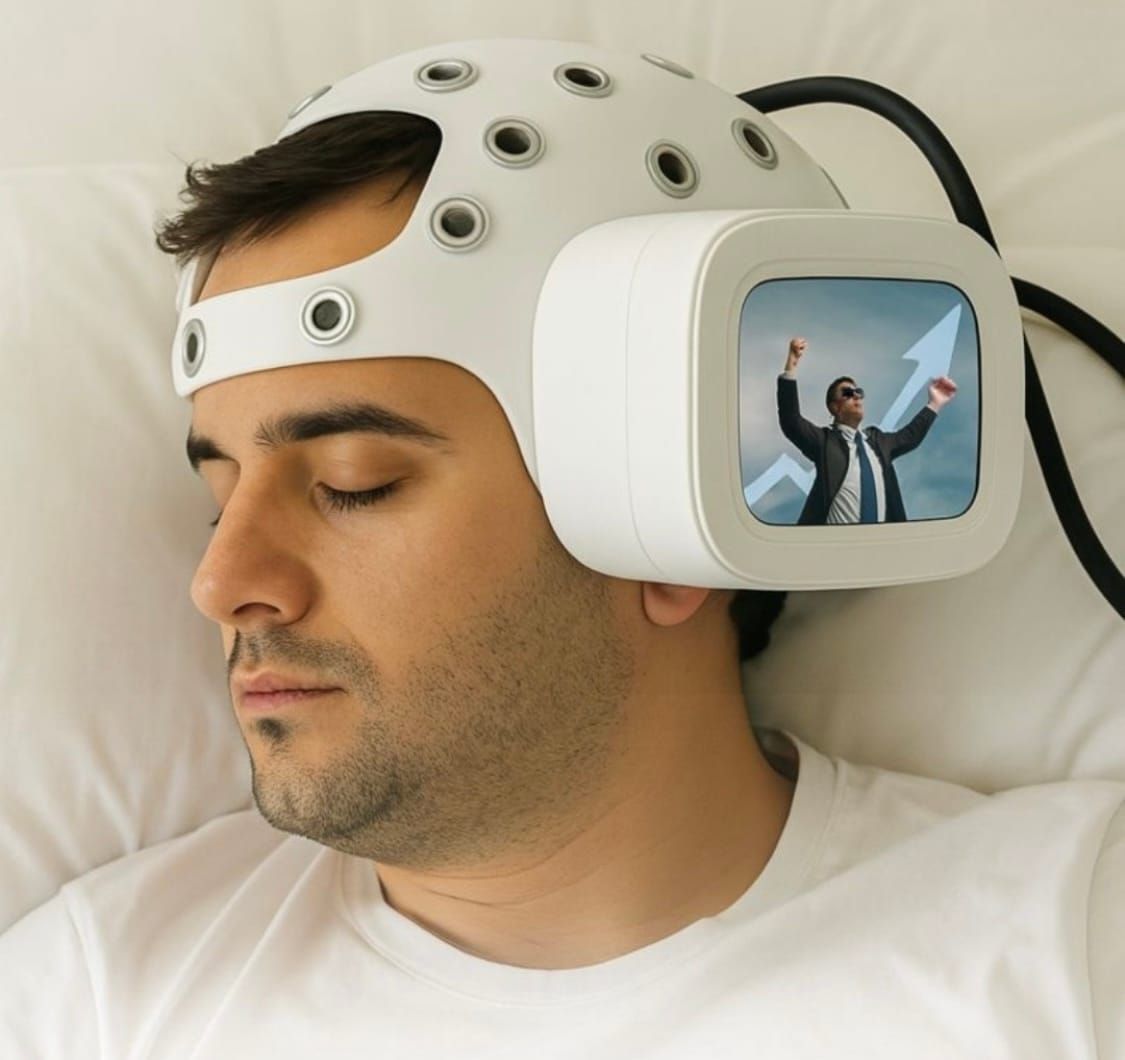
Scientists have built an AI-powered headset that decodes your brain waves during sleep and reconstructs your dreams as watchable video. Using EEG sensors and machine learning algorithms, the system translates neural activity into visual sequences you can actually see when you wake up. It's the first real step toward automating dream capture—turning your subconscious into data.
How AI Turns Brain Signals Into Dream Video
The headset works through three automated steps. First, EEG sensors monitor electrical activity in your brain while you sleep, collecting raw neural data. Then AI algorithms process that data in real-time, learning patterns between specific brain signals and visual imagery. Finally, the system reconstructs and renders those signals as video you can review later.
"It's like turning your brain waves into a movie," says Dr. Moran Cerf from Northwestern University. The breakthrough here is automation—the algorithms handle the heavy lifting of interpretation that would take humans forever.
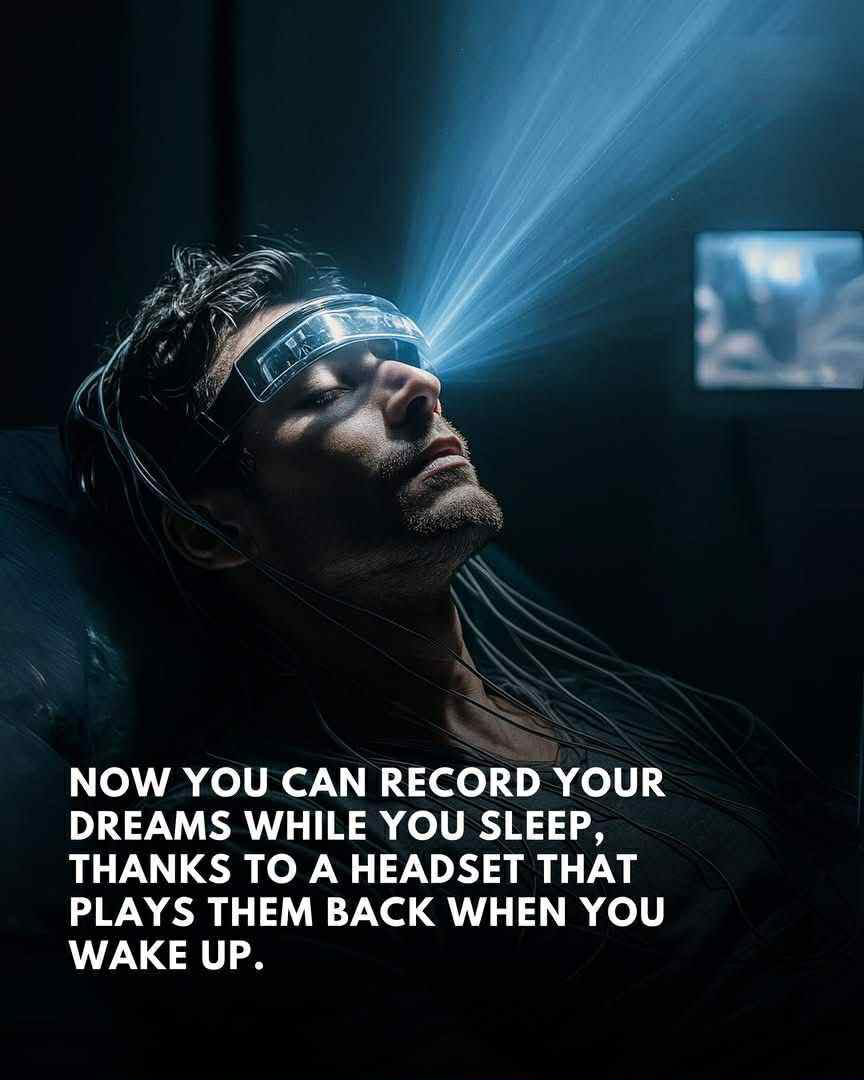
Where This Tech Gets Actually Useful
Mental health diagnostics could change forever. Instead of patients describing nightmares, doctors see the actual data. Sleep disorders become quantifiable and treatable with precision.
Creativity tools are another angle. Designers, writers, and artists could mine their dream data for inspiration. Imagine an algorithm that flags recurring imagery in your dreams and suggests ways to use it.
Research acceleration is huge too. Neuroscientists no longer rely on fuzzy dream recall. They get raw brain data and visual reconstructions—making pattern discovery way faster.
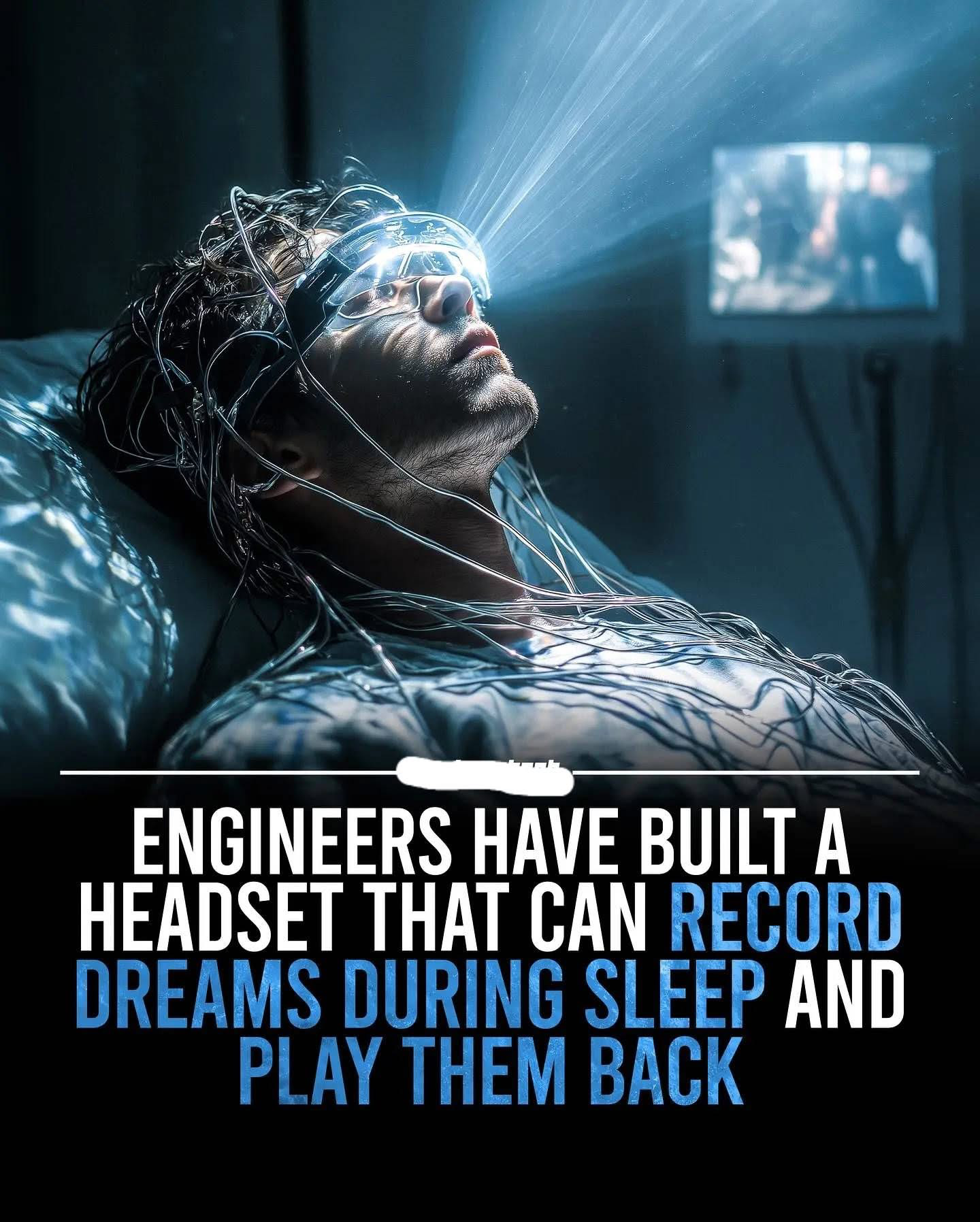
The Messy Parts Nobody Talks About
The reconstructions are still blurry. Your dreams won't look like 4K footage. The AI is good, not perfect. Brain activity is chaotic—dreams jump around, mix memories, get weird. Algorithms struggle with that randomness.
Privacy is a genuine nightmare. Your brain data is extremely personal. If someone hacks it, they don't just get passwords—they get your unconscious thoughts, fears, fantasies. Regulation is way behind the tech.
Consent gets murky. Who owns your dream data? Can employers demand it? Could insurance companies use it against you? These questions don't have answers yet.
What's Coming Next
Researchers are pushing for higher resolution reconstructions and faster processing. The goal is real-time dream playback—watching your dreams as they happen, not the day after.
Dr. Cerf hints at the bigger vision: "One day, we might have a GoPro for the mind." That means full-sensory dream recording. Not just visuals—sounds, emotions, physical sensations automated and captured.
The technology will eventually hit consumer markets. Expect meditation apps and sleep-tracking devices to integrate this. Your smartwatch might soon analyze your dreams and surface insights about your stress levels or cognitive patterns.
Quick FAQ
Will my dreams be perfectly clear? Not yet. Current AI reconstructions are grainy and abstract. Think early video compression from the '90s, not HD. As algorithms improve, clarity will increase.
Can someone steal my dream data? Technically yes. Your brain waves could be intercepted if the system isn't encrypted. This is why privacy advocates are freaking out.
Could this replace therapy? Unlikely, but it could enhance it. Therapists could analyze actual dream patterns instead of relying on patient descriptions. That's powerful data.
When will this be available? Not soon for consumers. Right now it's lab-only. Expect 5–10 years before commercial versions exist, assuming regulatory approval happens.
Is this reading my mind? Not really. It's decoding specific brain signals tied to REM sleep and visual cortex activity. It's sophisticated pattern matching, not mind reading.
Related Posts
Check out our coverage on brain-computer interfaces reshaping healthcare and how AI companies are handling biometric data. Also relevant: automation's role in medical diagnosis.
References:
- CNN: Scientists Create a Headset That Can Record Dreams
- Northwestern University: Dream Recording Research
- Scientific American: Decoding Dreams with AI