How AI Event Management Powered Bezos & Sánchez's Venice Wedding Logistics
Jeff Bezos and Lauren Sánchez's Venice wedding wasn't just glamorous—it was a masterclass in AI-driven event orchestration. Behind the candlelight and gondolas, sophisticated algorithms and automation handled guest coordination, logistics, and real-time logistics management.

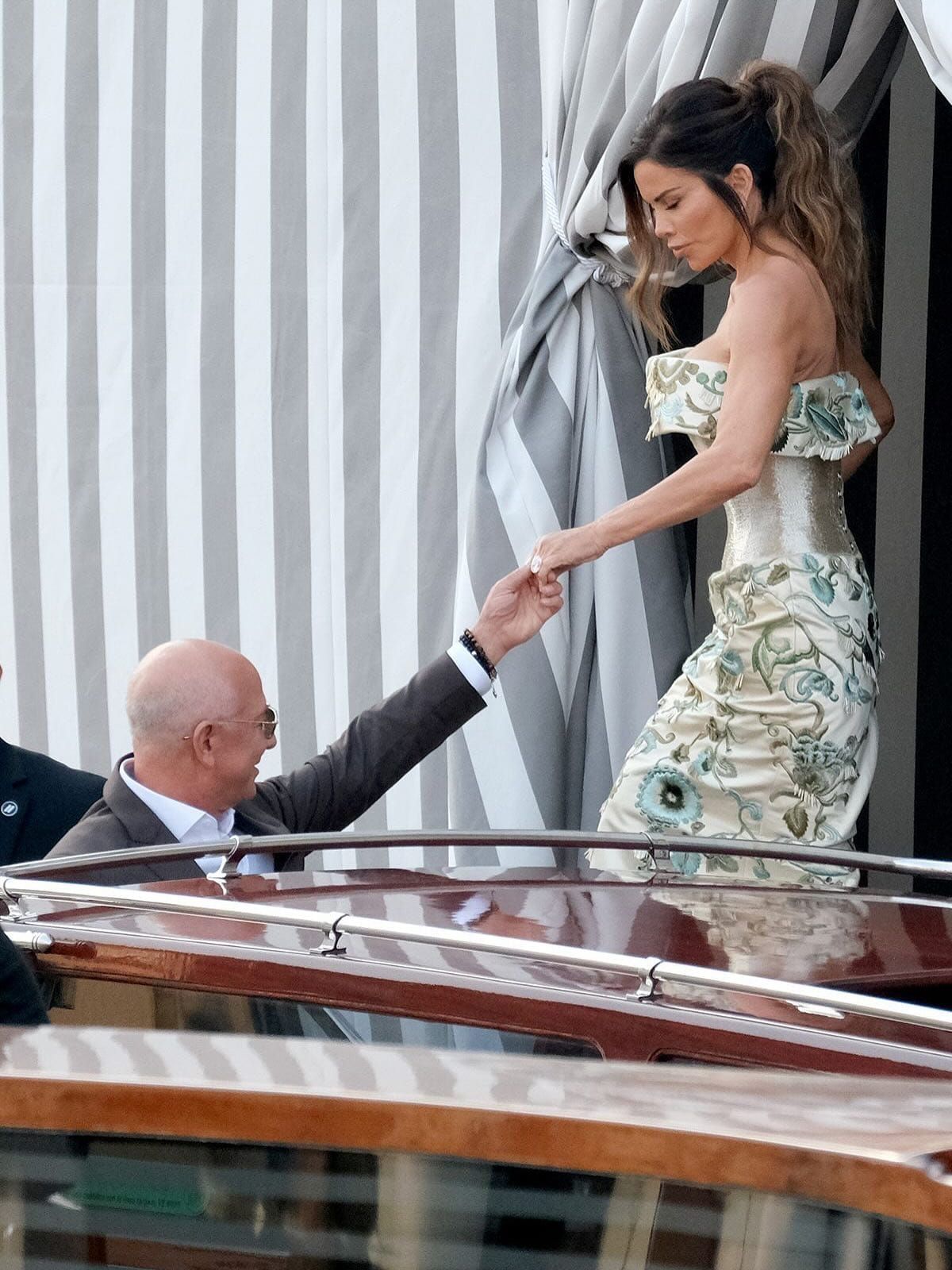
Jeff Bezos and Lauren Sánchez just kicked off their Venice wedding with a lavish welcome party—but what you didn't see was the AI infrastructure managing every detail. From guest coordination to real-time logistics, algorithms and automation handled the complexity behind one of 2025's most exclusive events. High-net-worth destination weddings now rely on sophisticated event-tech stacks that would make any enterprise jealous.
The couple's June 26 welcome party at a closed cloister beside the Madonna dell'Orto church showcased what happens when billionaire budgets meet cutting-edge event automation. Thousands of moving pieces—guest arrivals via water taxi, dietary preferences, security protocols, real-time photo curation—required the kind of data orchestration that only AI-powered event platforms can deliver at scale.
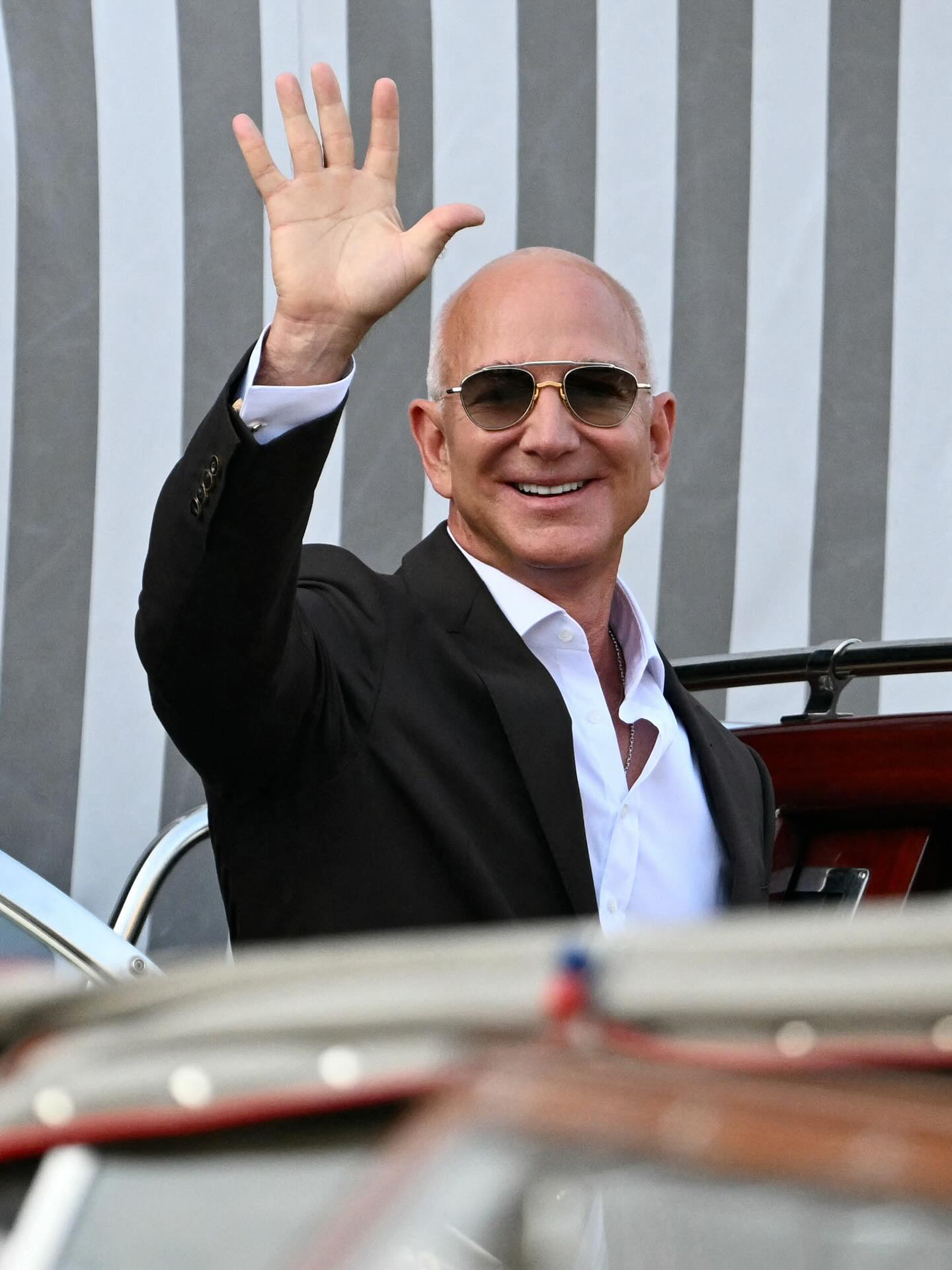
The Algorithm Behind the Glamour
Luxury event planning at this scale relies on predictive algorithms that anticipate bottlenecks. Guest arrival windows? Optimized via machine learning to prevent congestion. Catering volumes? Forecasted using historical data and real-time RSVPs. Lighting and music cues? Often triggered by proximity sensors and event-timeline automation.
The Venice wedding likely used end-to-end event management platforms that integrate vendor networks, guest databases, security clearances, and supply-chain logistics into one unified data model. When you're coordinating A-listers across international time zones and water-based transportation, manual spreadsheets simply don't cut it.
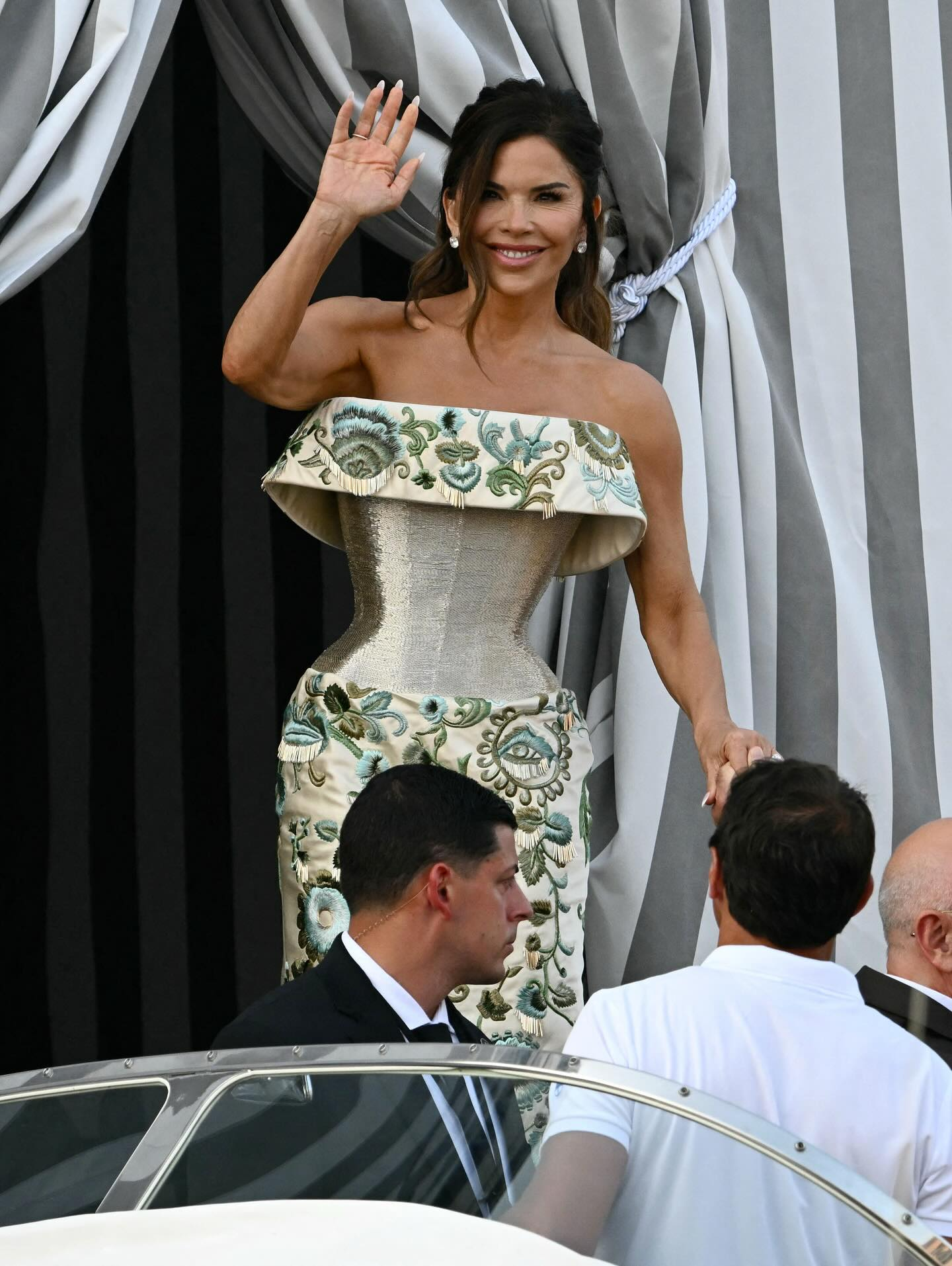
Lauren Sánchez arrived in that stunning evening gown—but the real work happened in the backend: automated confirmations, real-time guest tracking, inventory management for catering, and probably AI-powered social media monitoring to catch candid moments.
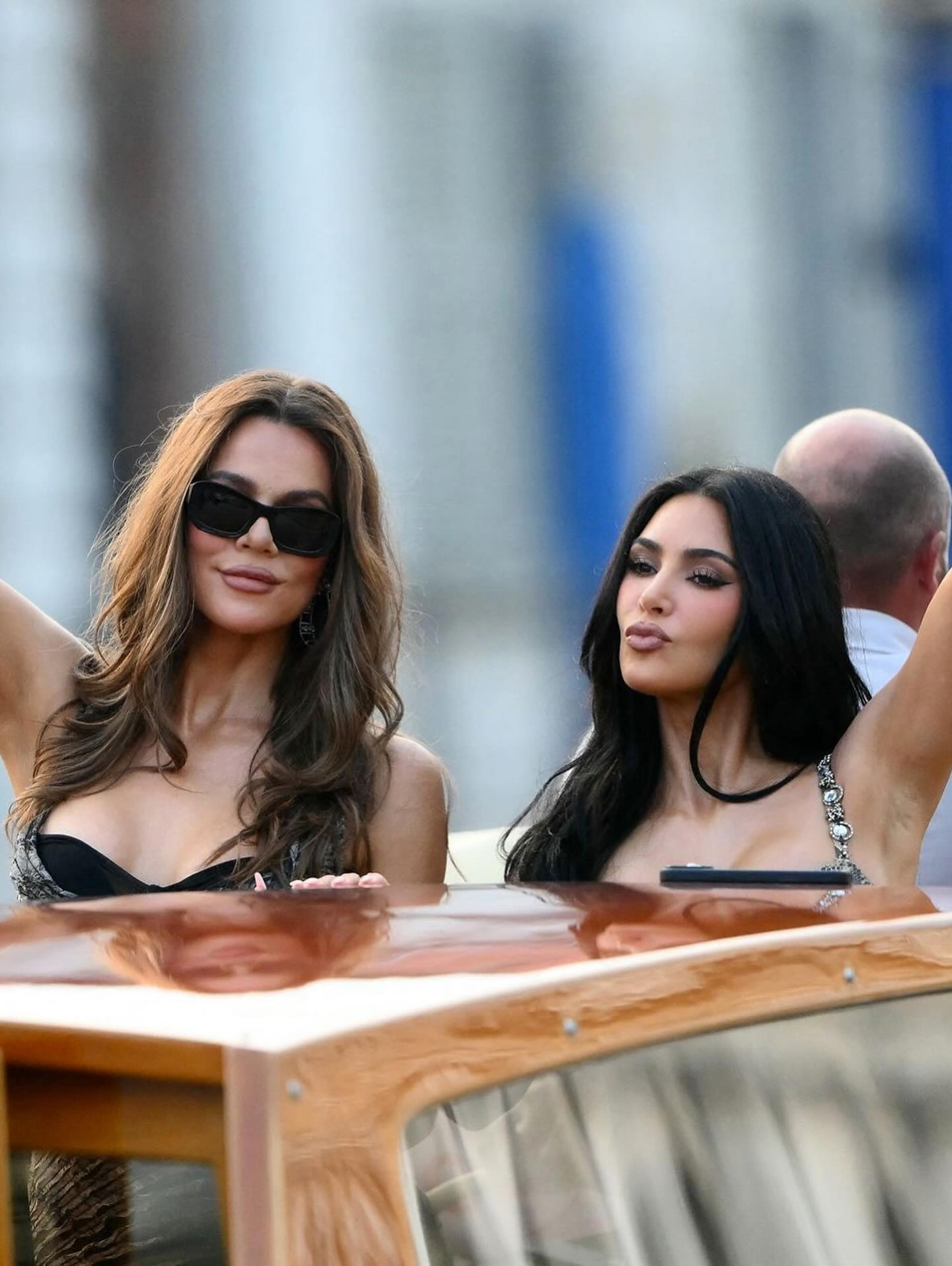
Why Venice? The Data-Driven Destination
Venice wasn't a random choice. Ultra-luxury event planners use location-intelligence platforms that analyze venue capacity, accessibility patterns, weather data, and security infrastructure. Venice's water-taxi system, historic venues, and controlled access points actually make it ideal for high-security, high-profile events.
Modern event planners analyze decades of wedding data—guest satisfaction scores, logistical efficiency metrics, photo engagement rates—to recommend destinations. Venice checks every box: exclusivity, beauty, built-in transportation control, and proven track record for celebrity events.
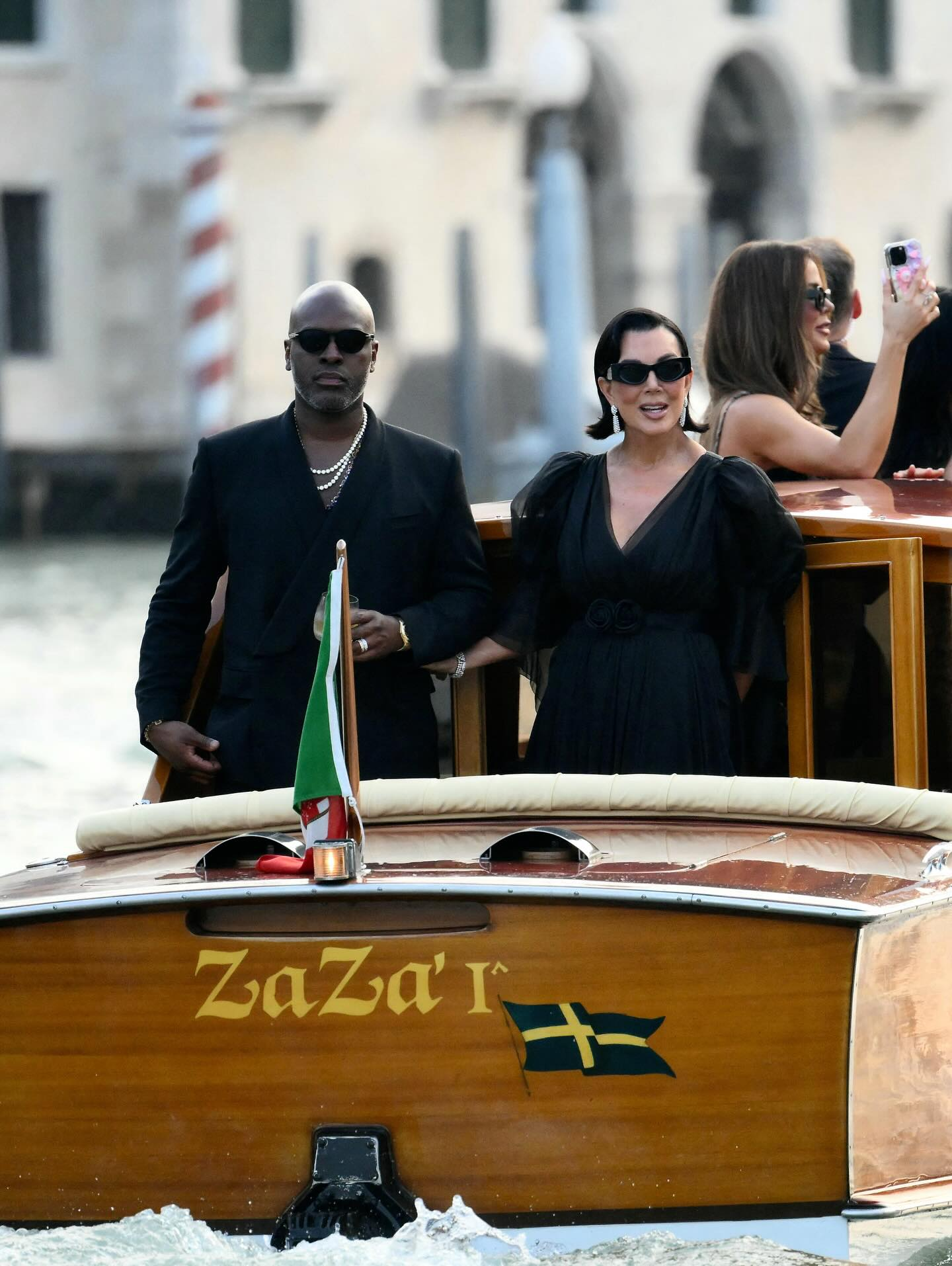
The couple's engagement since 2023 means plenty of time to deploy predictive modeling for this weekend's additional events. Vendors, timelines, guest flows—all orchestrated through event-tech platforms that would make your corporate retreat look quaint.
What About Guest Security & Privacy?
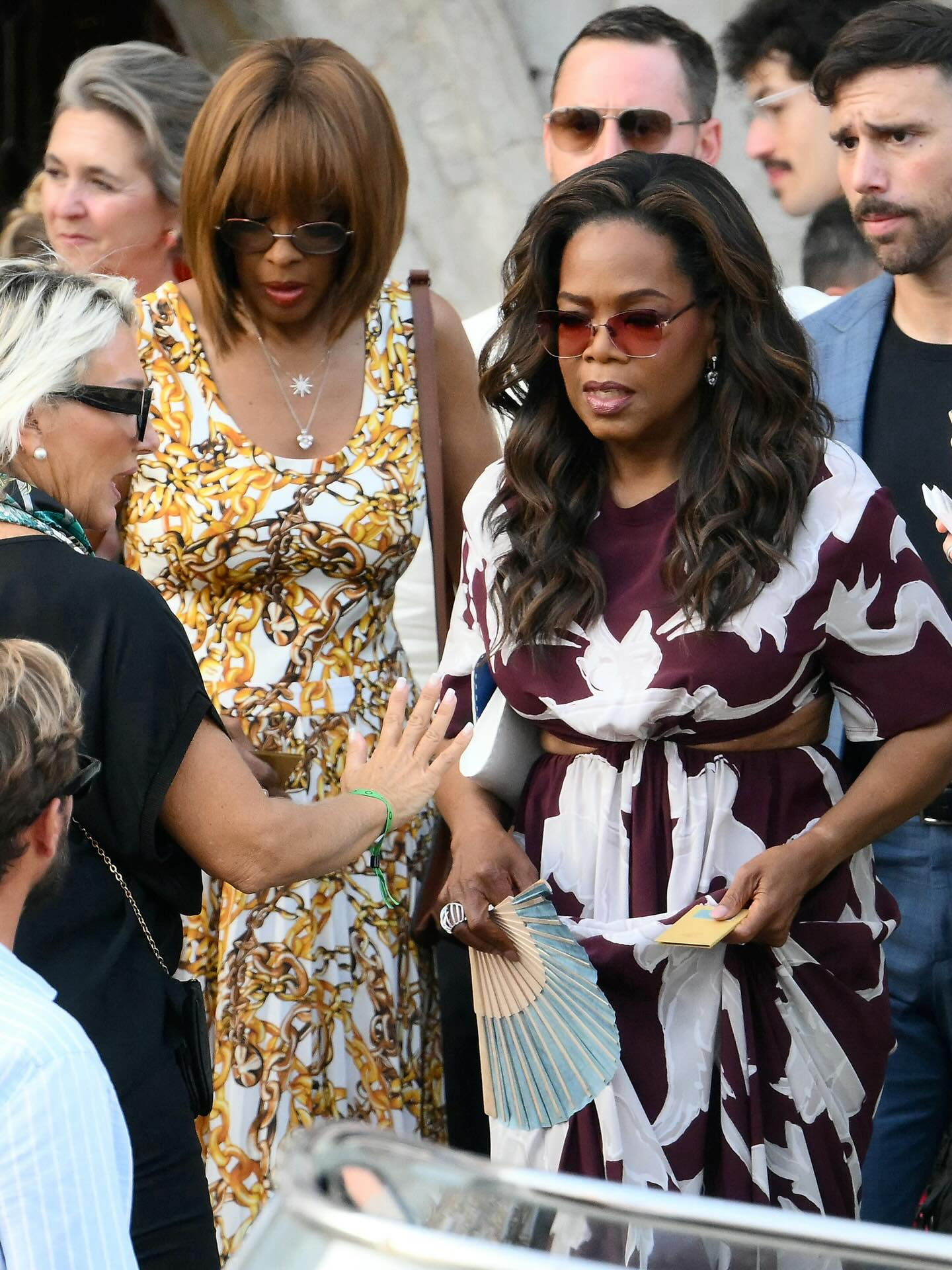
High-profile weddings require sophisticated data privacy protocols. That means encrypted guest databases, blockchain-based credential verification for attendees, and AI-powered anomaly detection to flag security risks. Every guest, vendor, and staff member gets vetted through automated background-check systems.
The candlelight and romance? Real. The surveillance algorithms quietly managing who enters the cloister? Also real.
The Media Moment: AI Curation in Real-Time
Those perfectly framed photos getting out? Don't assume they're candid. Premium events now use AI image-recognition software to identify photogenic moments, flag the best angles, and auto-tag guests for social amplification. Machine-learning algorithms decide which images go public and which stay private based on contractual agreements.
This wedding is generating massive data—guest photos, video feeds, social-media mentions. All of it gets processed through sentiment analysis and trend-detection systems to manage the narrative in real-time.
The Future of Ultra-Luxury Events
This wedding is just the surface. Behind every glamorous moment lies a tech stack that includes predictive analytics, IoT sensors, blockchain verification, and real-time data orchestration. The future of high-stakes event planning isn't about hiring more coordinators—it's about deploying smarter algorithms.
Expect the next wave of billionaire weddings to feature AI-powered personalization for each guest, dynamic pricing for premium experiences, and predictive modeling for everything from weather delays to vendor performance.
Q: How do event planners use AI to manage guest logistics?
Machine-learning models analyze historical data on guest arrival patterns, traffic congestion, and preference data to optimize timing and flow. Predictive algorithms anticipate bottlenecks—like everyone arriving via water taxi at once—and auto-adjust schedules.
Q: What role does automation play in luxury wedding coordination?
Automation handles thousands of touchpoints: confirmation emails, real-time guest tracking, dietary preference management, vendor coordination, and timeline triggers for music, lighting, and catering. Without it, even one typo in a seating chart could cascade into chaos.
Q: Are there privacy concerns with AI-powered event management?
Absolutely. Guest data encryption, blockchain-based verification, and differential privacy techniques become critical. High-profile events require GDPR and privacy-by-design frameworks to keep attendee data secure while enabling real-time event orchestration.
Q: How does AI curate photos and content from events?
Computer vision algorithms identify composition quality, guest presence, and emotional sentiment in images. Machine-learning models then flag the best moments for distribution, auto-tag attendees, and manage public versus private content based on contractual agreements.
Dive Deeper:
How AI Is Automating Large-Scale Event Coordination
Predictive Analytics in Ultra-Luxury Service Planning