AI Facial Recognition at the Gala: Why Kim Kardashian Covered Her Face and What It Means for the Future of Automated Surveillance
AI Facial Recognition at the Gala: Why Kim Kardashian Covered Her Face and What It Means for the Future of Automated Surveillance
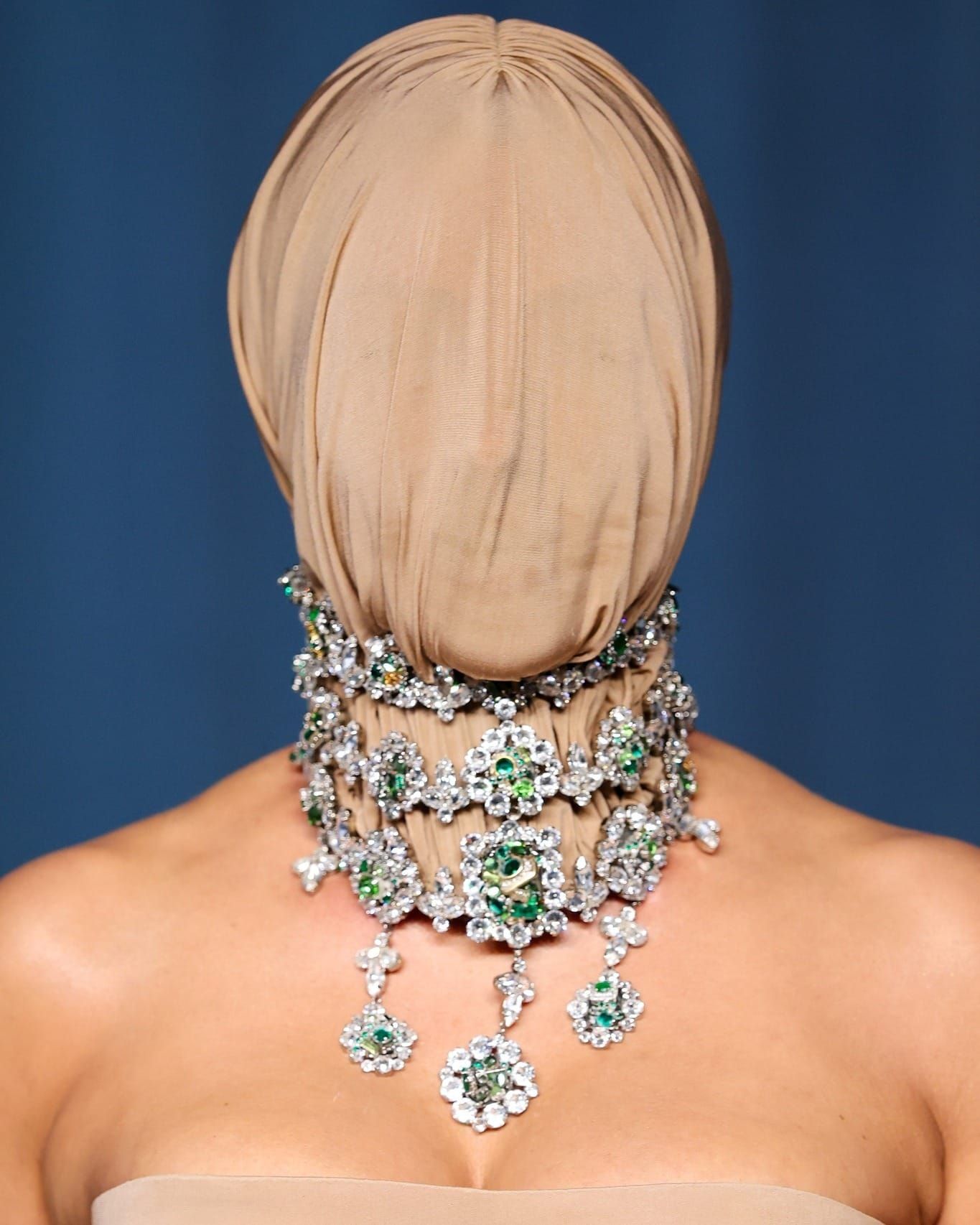
In a world where AI facial recognition technology is becoming ubiquitous, the recent sight of Kim Kardashian covering her face at a high-profile gala has ignited a global conversation. The image, captured by paparazzi, shows the reality star and entrepreneur shielding her face from cameras, a gesture that many interpret as a protest against automated surveillance. This act, whether intentional or not, underscores the growing tension between celebrity culture, privacy, and the relentless march of facial recognition technology.
Kim Kardashian's covered face at the gala is not just a fleeting moment of paparazzi avoidance; it is a symbol of the future of automated surveillance. As AI facial recognition systems become more sophisticated, they are being deployed in airports, stadiums, and even retail stores. The technology, which can identify individuals in milliseconds, raises profound questions about consent, data security, and the erosion of anonymity in public spaces. For celebrities like Kardashian, who are constantly under the lens, the threat is immediate, but for the average person, the implications are equally significant.
The gala, a star-studded event in Los Angeles, was a showcase of fashion and philanthropy. However, the presence of AI facial recognition cameras at such events is becoming common, used for security and marketing purposes. Kardashian's decision to cover her face may have been a spontaneous reaction, but it highlights a broader societal unease. According to privacy advocates, the automated surveillance industry is growing exponentially, with little regulation. This incident serves as a wake-up call for policymakers and the public alike.
Advertisement Slot 1
Sponsored Content: Discover the latest in AI privacy tools. Protect your identity today.
Kim Kardashian's covered face at the gala also touches on the future of work in the age of AI. As facial recognition technology automates tasks like identity verification and access control, jobs in security and customer service are being transformed. The automation of surveillance means that fewer human guards are needed, but it also creates new roles in data analysis and system maintenance. This shift is part of a larger trend where AI and automation are reshaping industries, from retail to law enforcement.
For a deeper dive into how AI facial recognition is changing public safety, check out our article on AI Public Safety Cameras: Balancing Security and Privacy. Additionally, the automated surveillance debate is closely tied to the future of work, as explored in Automation and Job Displacement: What to Expect in 2025.
The incident has also sparked discussions about facial recognition technology in the context of celebrity privacy. While celebrities often trade privacy for fame, the use of AI facial recognition at events like galas blurs the line between public and private life. Kardashian's covered face is a reminder that even the most famous individuals are grappling with the implications of automated surveillance. This is not just a celebrity issue; it is a human rights issue.
As we move toward a more AI-driven future, the question of how to regulate facial recognition technology becomes urgent. Some cities, like San Francisco, have already banned its use by government agencies, but the private sector remains largely unregulated. The future of automated surveillance will depend on the choices we make today. For more on this, read Facial Recognition Bans: Which Cities Are Leading the Way.
Advertisement Slot 2
Sponsored Content: Upgrade your home security with AI-powered cameras. Get 20% off now.
Kim Kardashian's covered face at the gala is a powerful image that encapsulates the anxieties of our time. It is a visual representation of the AI facial recognition debate, where the line between safety and surveillance is increasingly blurred. The automated surveillance industry is projected to be worth billions by 2030, and incidents like this will only accelerate the conversation. For those interested in the future of work in this sector, our piece on AI Surveillance Jobs: Growth and Opportunities provides valuable insights.
The facial recognition technology used at the gala is just one example of how AI and automation are infiltrating every aspect of our lives. From automated checkouts to AI-driven marketing, the technology is pervasive. Kardashian's covered face is a call to action for individuals to be more aware of their digital footprint. It also highlights the need for transparency in AI systems, as discussed in Transparency in AI Algorithms: Why It Matters.
In conclusion, Kim Kardashian's covered face at the gala is more than a paparazzi moment; it is a cultural touchstone for the AI facial recognition era. As automated surveillance becomes the norm, we must ask ourselves: How much privacy are we willing to sacrifice for convenience and security? The answer will shape the future of work and society for generations to come. For a broader perspective, see our analysis on AI Ethics and the Future of Technology.
Context Box: The gala in question was the 2025 Met Gala, where Kim Kardashian arrived with a mask covering her face. This act was widely interpreted as a statement against AI facial recognition technology, which was being used by event security. The incident has since been cited in privacy debates worldwide.
What is AI facial recognition technology and how does it work?
AI facial recognition technology uses machine learning algorithms to identify or verify a person from a digital image or video frame. It works by analyzing facial features and comparing them to a database of known faces. This automated surveillance tool is used in various applications, from unlocking smartphones to tracking individuals in crowds. The future of automated surveillance relies on these systems becoming faster and more accurate, but concerns about bias and privacy persist.
Why did Kim Kardashian cover her face at the gala?
Kim Kardashian's covered face at the gala was likely a protest against the pervasive use of facial recognition technology at such events. While she has not made an official statement, many speculate that it was a deliberate act to highlight the invasion of privacy posed by AI facial recognition. This gesture has resonated with privacy advocates who see it as a stand against automated surveillance.
How does automated surveillance impact the future of work?
The future of work is being reshaped by automated surveillance technologies like AI facial recognition. Jobs in security, retail, and law enforcement are being automated, leading to job displacement but also creating new roles in AI system management. The automation of surveillance means that workers must adapt to a landscape where AI and automation are integral to daily operations.
What are the privacy concerns with facial recognition technology?
Facial recognition technology raises significant privacy concerns, including the potential for mass surveillance, data breaches, and misuse by authorities. Kim Kardashian's covered face at the gala underscores these fears, as AI facial recognition can track individuals without their consent. The future of automated surveillance must address these issues through robust regulations and transparency.
How can individuals protect themselves from AI facial recognition?
Individuals can protect themselves from AI facial recognition by using physical barriers like masks or sunglasses, as Kim Kardashian did at the gala. Additionally, digital tools like privacy-focused apps and browser extensions can help limit data collection. The future of automated surveillance will likely see more such countermeasures as awareness grows.
Advertisement Slot 3
Sponsored Content: Learn how to safeguard your privacy in the age of AI. Join our free webinar.
Frequently Asked Questions
Q: Is AI facial recognition legal? A: It depends on the jurisdiction. Some countries have strict regulations, while others have none.
Q: Can AI facial recognition be fooled? A: Yes, with techniques like adversarial attacks or physical disguises, as seen with Kim Kardashian's covered face.
Q: What is the future of automated surveillance? A: It is expected to become more pervasive, with AI systems integrated into public and private spaces.
Published by YEET Magazine. For more insights on AI and society, visit our AI Section.
Avery Thompson is a staff writer at YEET Magazine who covers AI privacy, security, and data rights.