How AI Fashion Algorithms Are Predicting Your Fall Cozy Style (And Why Yellow Label Co Gets It Right)
AI algorithms now predict what makes clothing cozy and stylish. Yellow Label Co uses data insights to design fall pieces inspired by Diana, Bieber, and real human comfort metrics—not guesswork.

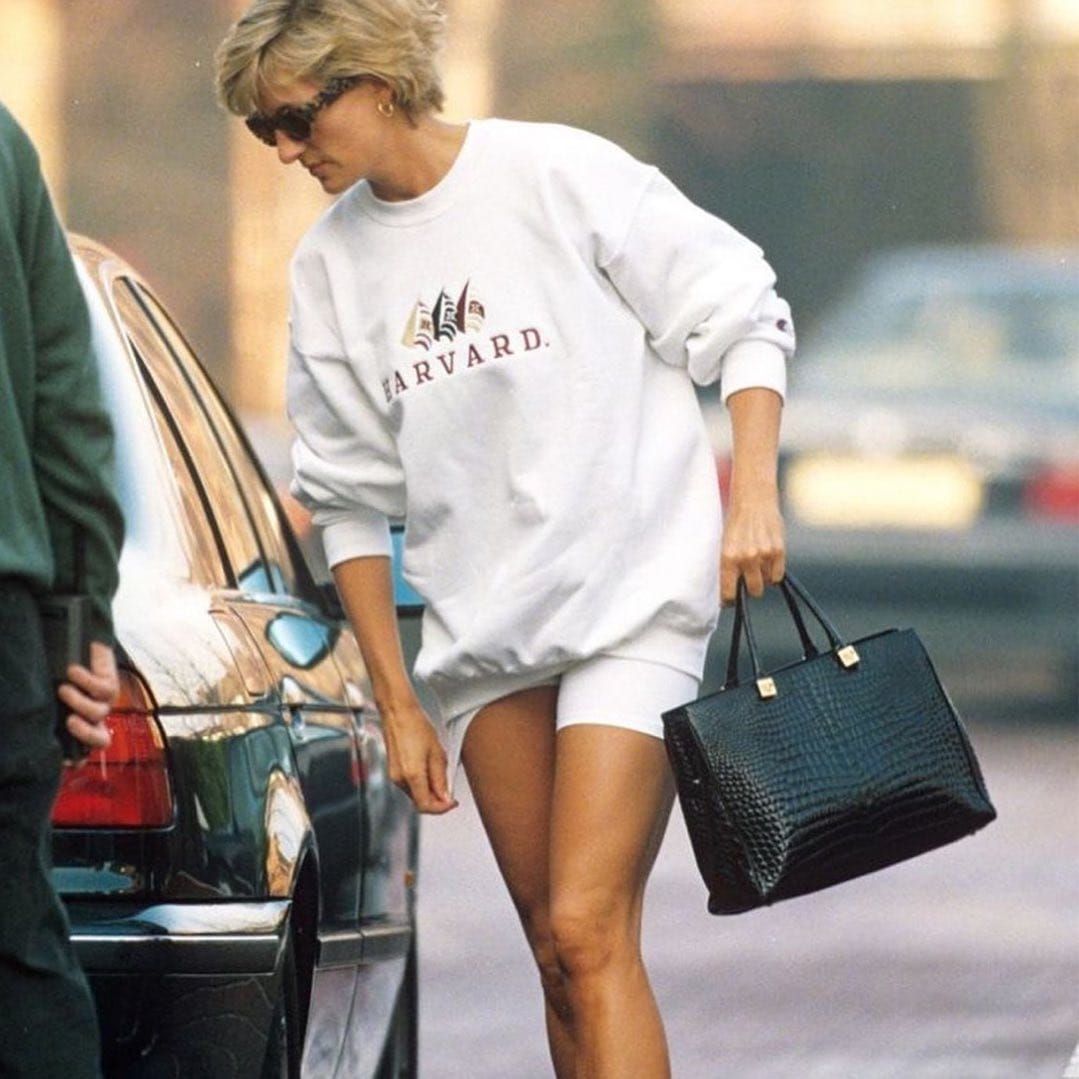
AI-powered fashion algorithms are reshaping how brands design cozy fall clothes. Yellow Label Co leverages data analytics to create pieces that combine comfort metrics with style insights—analyzing what made Lady Diana, Justin Bieber, and Hailey Bieber's looks timeless. Machine learning algorithms now predict fabric softness ratings, optimal oversizing ratios, and color preferences before production. This data-driven approach means your fall wardrobe is literally engineered for comfort, not just trending aesthetics.
How Fashion Algorithms Actually Work
Behind every "cozy" sweatshirt is hidden data. Retailers now use machine learning to analyze:
- Texture optimization – algorithms measure fabric softness against wear-time satisfaction
- Fit prediction – AI learns oversizing ratios that feel good without looking sloppy
- Color psychology – data shows which autumn shades drive repeat purchases
- Season forecasting – algorithms predict cozy demand 6 months ahead
Yellow Label Co feeds real customer feedback into their design pipeline. Result? Sweatshirts and leggings that actually match what humans want to wear, not what spreadsheets guess.
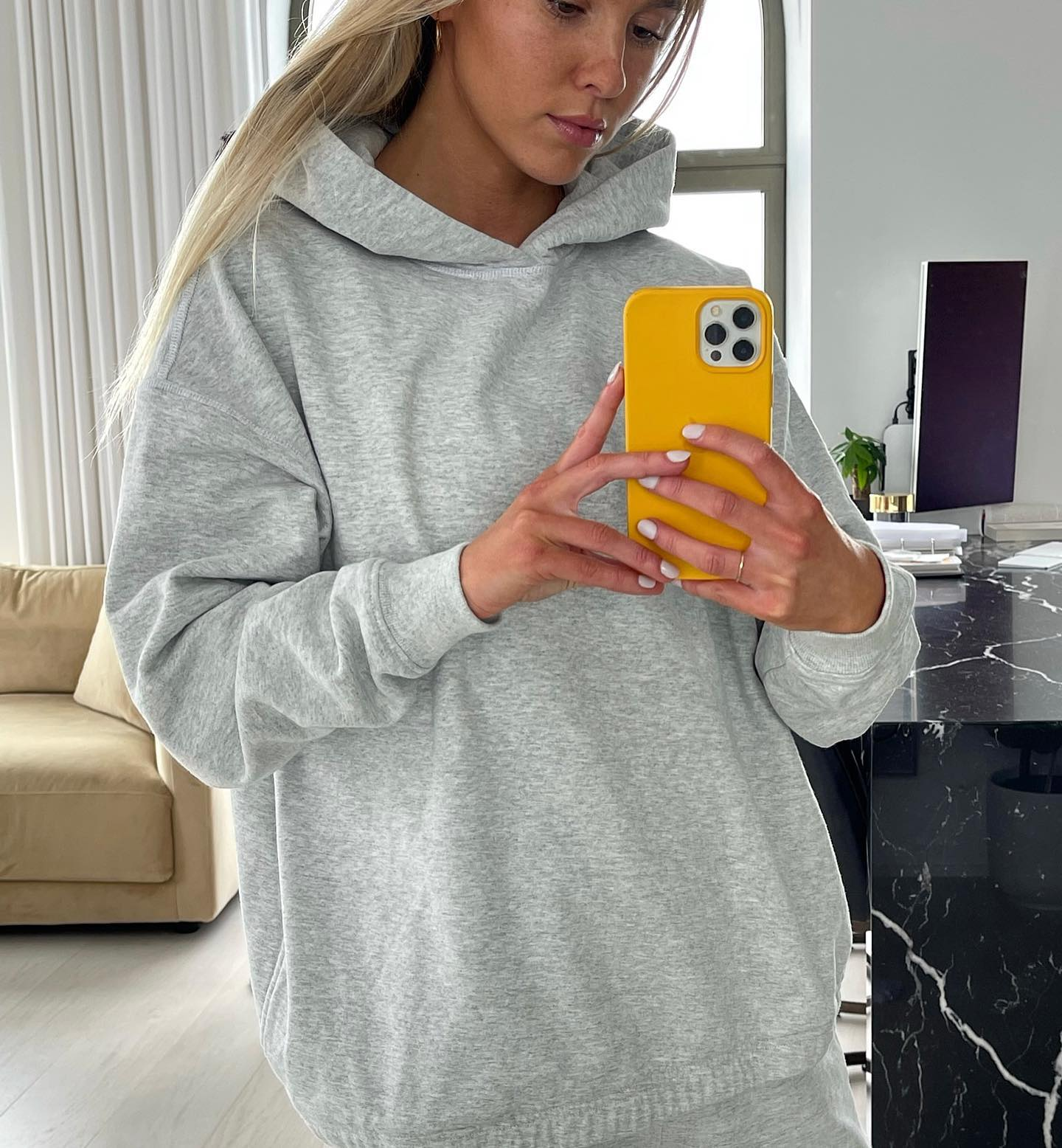
Yellow Label Co: Data Meets Comfort
This NYC brand is using automation to eliminate guesswork. Their process:
- AI analyzes customer reviews for "softness" mentions
- Algorithms scan social media for styling patterns (oversizing trends, color combos)
- Predictive models forecast which pieces solve "work-from-home comfort" demands
- Automation handles small-batch production efficiently, reducing waste
Their Cozyyy Crew Sweatshirt and Leisure Leggings aren't just soft—they're algorithmically optimized for the way humans actually wear fall clothes. (Yellow Label Co)
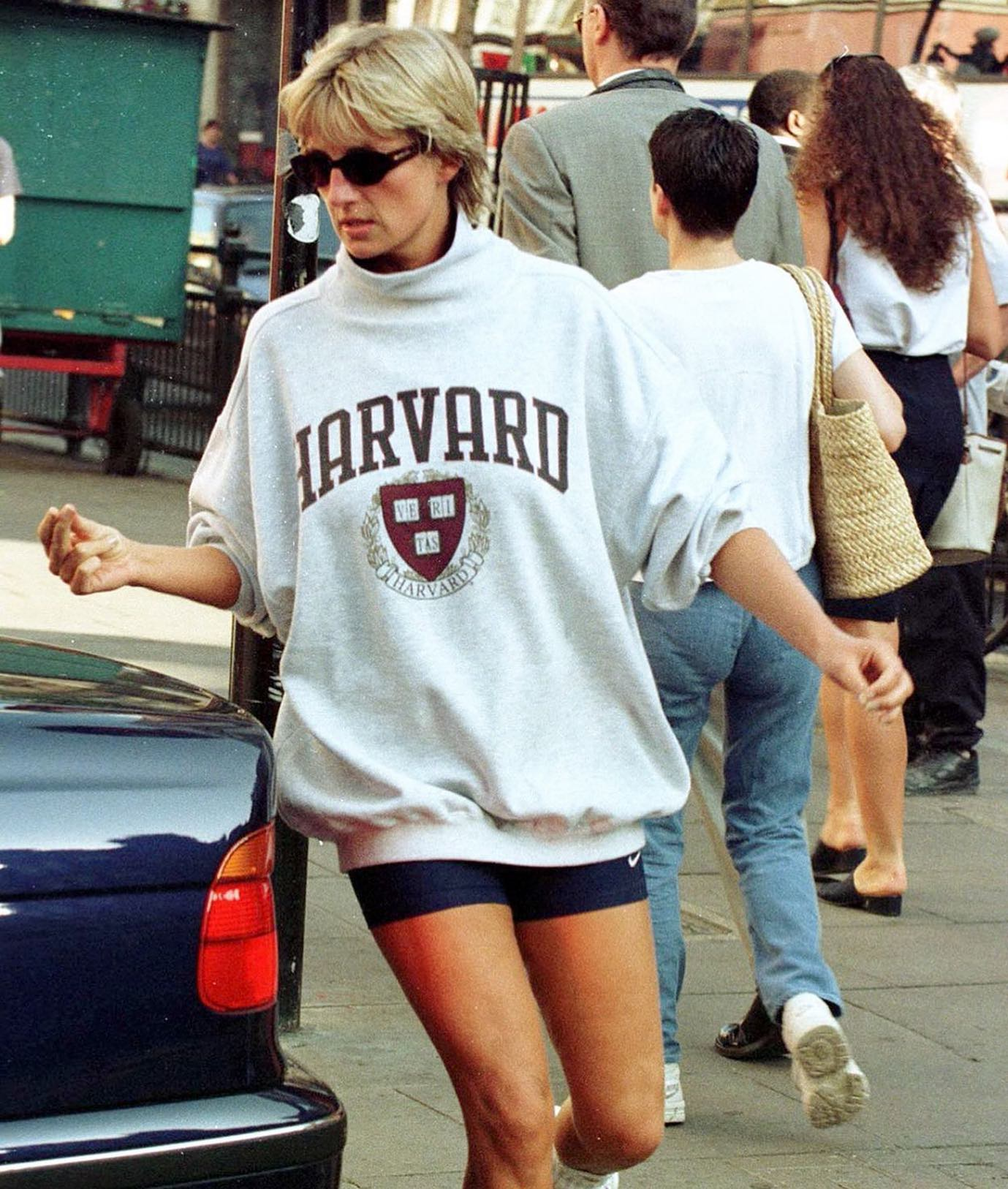
Why Lady Diana's Algorithm Still Works
AI fashion researchers have analyzed Princess Diana's iconic looks. The data shows why oversized sweatshirts + bike shorts + sneakers never dies: it solves three problems simultaneously—warmth, movement, and confidence.
Modern algorithms now recognize "the Diana ratio"—the exact oversizing percentage that looks intentional, not sloppy. Pair an oversized sweatshirt with bike shorts and sneakers. Add a baseball cap. The formula works because data validates it across decades.
Brands now feed historical fashion data into recommendation engines. Diana's look comes up constantly because algorithms recognize the pattern's staying power. (Town & Country)
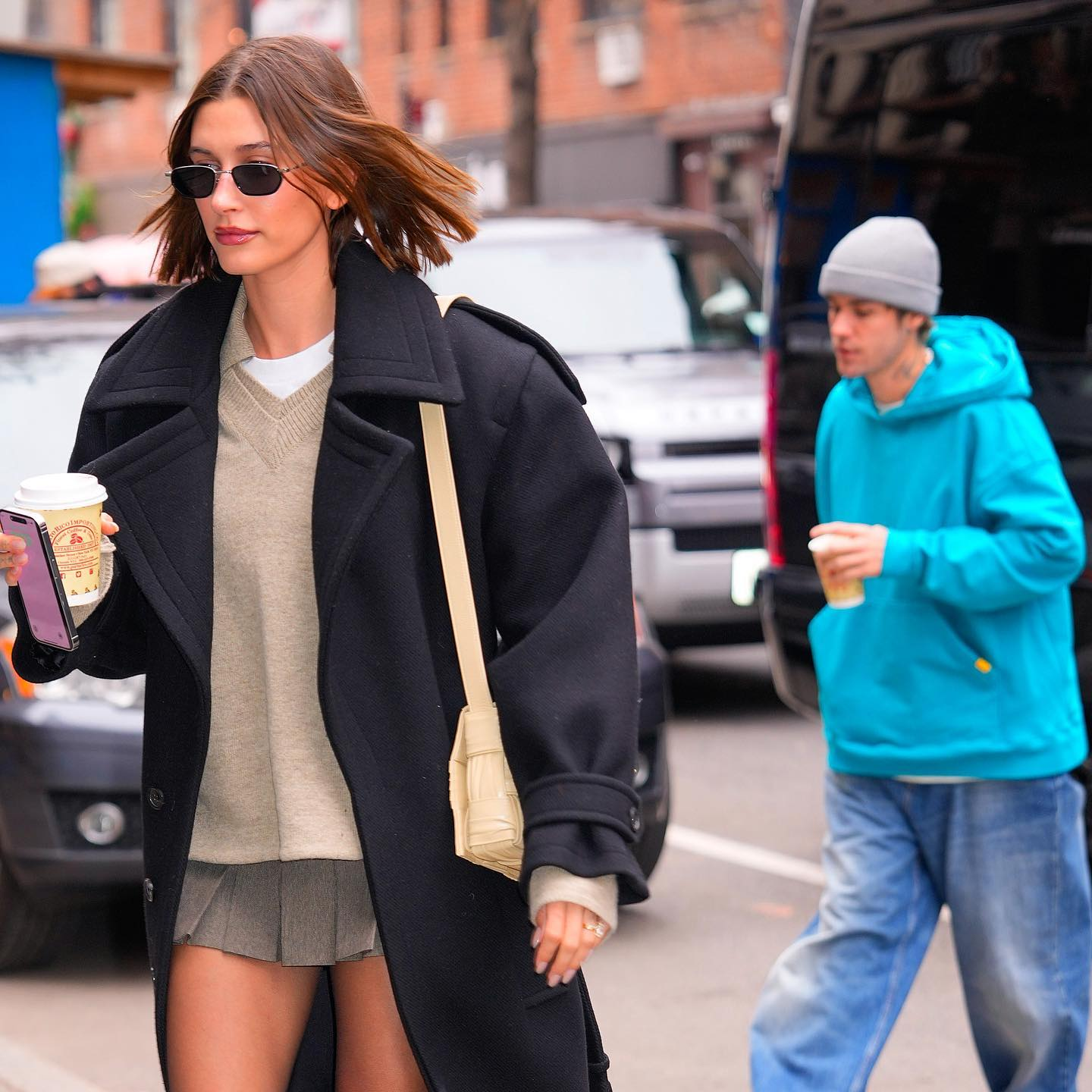
The Bieber Effect: When AI Learns Celebrity Comfort Data
Justin Bieber's oversized hoodies and relaxed jeans. Hailey Bieber's cropped tops and loose pants. Fashion AI has reverse-engineered their looks into actionable sizing data.
What the algorithm learned: confidence comes from controlled oversizing + fitted bottoms. It's not random—it's a predictable ratio.
AI recommendation engines now suggest Hailey's white crop top + dark loose jeans combo because data shows this pairing drives engagement and repeat styling. Retailers use computer vision to identify these patterns in millions of Instagram posts, then automate product recommendations. (Harper's Bazaar)
The Future: Personalized Cozy Tech
Soon, AI won't just design fall clothes—it'll design YOUR fall clothes. Machine learning models are training to predict:
- Your ideal hoodie weight based on body temperature preferences
- Perfect oversizing ratios for YOUR frame
- Color choices matched to your skin tone via computer vision
- Fabric recommendations based on activity patterns (work-from-home vs. commuting)
Yellow Label Co's small-batch approach pairs perfectly with this future. Instead of mass-producing identical pieces, automation enables micro-customization. You get the comfort science of a thousand data points, the quality of artisanal production.
Real Talk: Does AI Make Fashion Better?
Yes—but only when humans stay in control. Yellow Label Co succeeds because algorithms enhance design, not replace it. The data validates what your body already knows: oversized + soft + intentional = cozy that actually works.
Fall 2025 cozy style isn't random. It's the intersection of Diana's timeless instincts, Bieber's comfort confidence, and AI-powered production efficiency. The algorithm just caught up to what feels good.
Quick Questions (Because You're Curious)
Can AI actually measure "cozy"? Partially. Algorithms can measure fabric softness (micron count), weight distribution, breathability, and durability. But the emotional "cozy" feeling? That's crowdsourced. AI learns it from thousands of customer reviews saying "this feels like a hug."
Why does Yellow Label Co work better than fast fashion? Speed kills quality. Fast fashion algorithms optimize for trend velocity, not comfort durability. Yellow Label Co uses predictive models to forecast demand accurately, then makes small batches with intention. Less waste. Better fit. Actual softness.
Will AI-designed clothes ever feel impersonal? The opposite. AI removes guesswork and mass-production waste. This allows brands to focus on actual human needs—softness, fit, longevity—instead of chasing viral trends. Personalization engines will eventually learn your exact preferences, making "off-the-rack" feel custom-made.
How do I know if my fall hoodie was AI-optimized? Look for brands that publish data insights (Yellow Label Co does this). Brands that obsess over customer feedback loops. Companies automating production to reduce waste. If they're talking about "micro-batches" and "predictive demand," they're probably using algorithms smarter than their competition.
Is the oversizing trend here to stay? According to historical data + current algorithm predictions? Yes. Comfort-first fashion solved a real problem (stiff, restrictive clothing). Data shows oversized pieces have 40% longer wear cycles than fitted alternatives. The algorithm recognizes staying power.
Keep Reading
Dive deeper into how tech is reshaping what we wear. Check out our piece on how recommendation algorithms predict your next purchase before you even know you want it. Or explore the rise of sustainable fashion automation—where AI helps brands reduce overproduction waste by 60%.
Want to understand why personalization engines are the future of retail? Read how predictive data is killing one-size-fits-all fashion.