How AI Fashion Recognition is Decoding Celebrity Summer Shoe Trends
Celebrity shoe choices aren't just style—they're data points. AI algorithms now scan social media, red carpets, and paparazzi shots to predict what footwear will trend next season. Here's how automation is reshaping fashion forecasting.

How AI Fashion Recognition is Decoding Celebrity Summer Shoe Trends
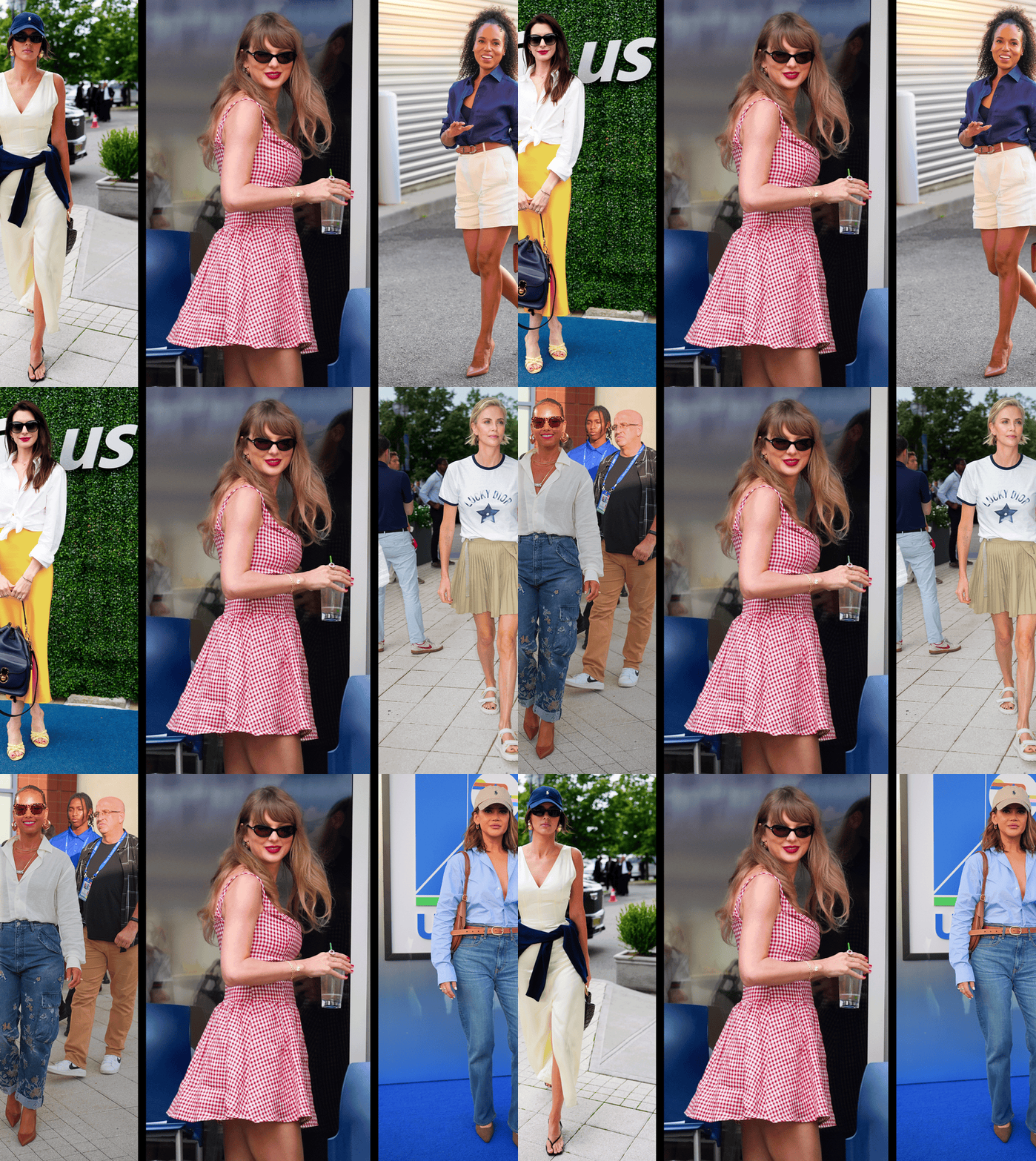
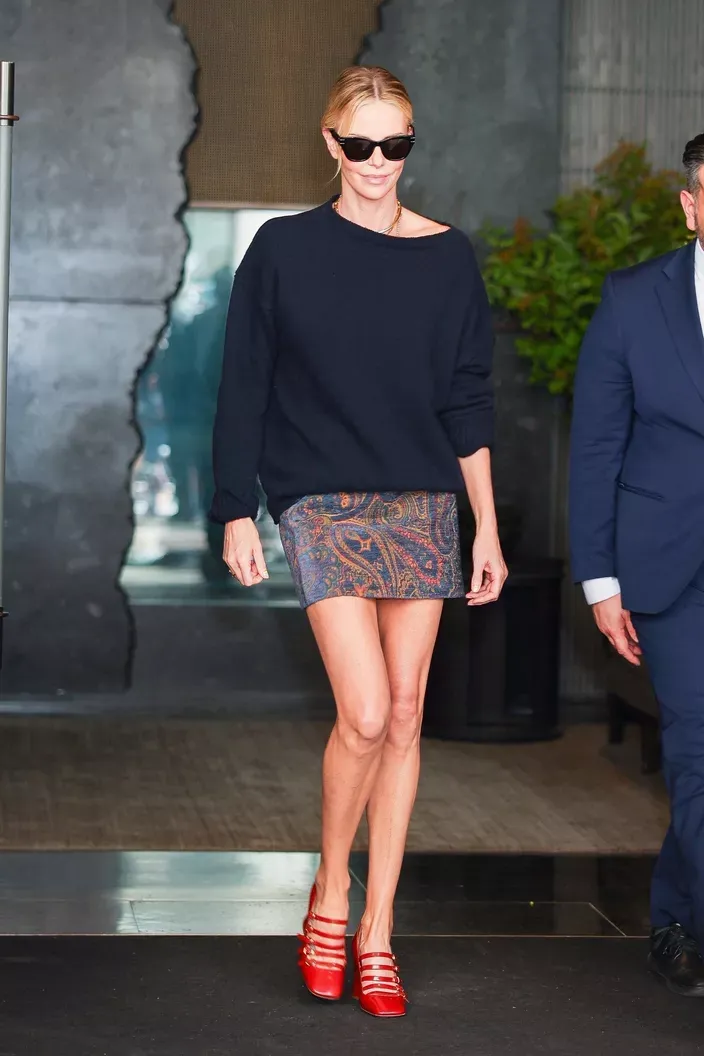
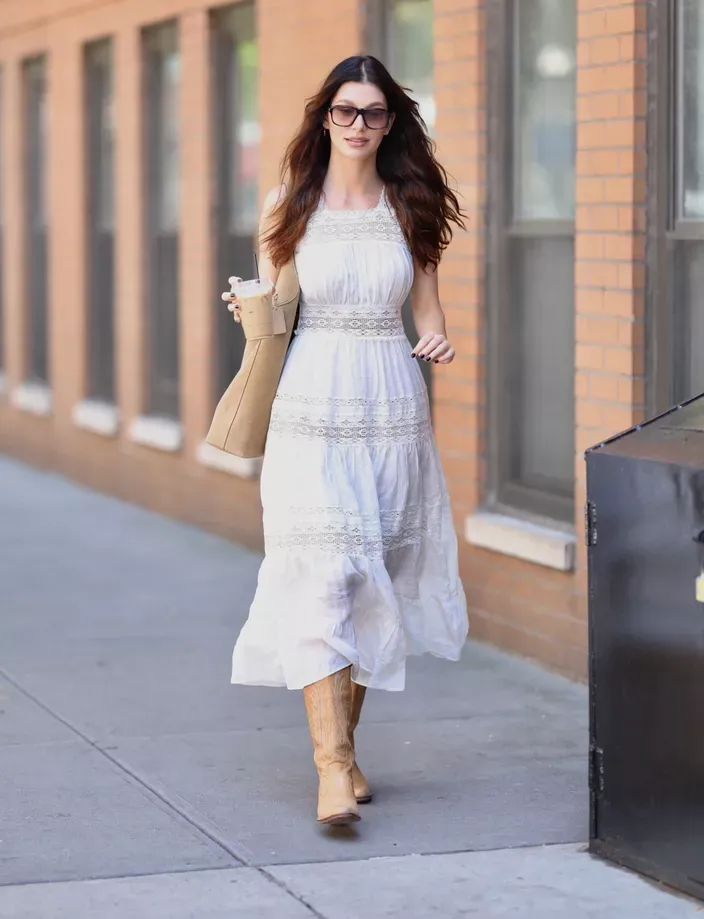
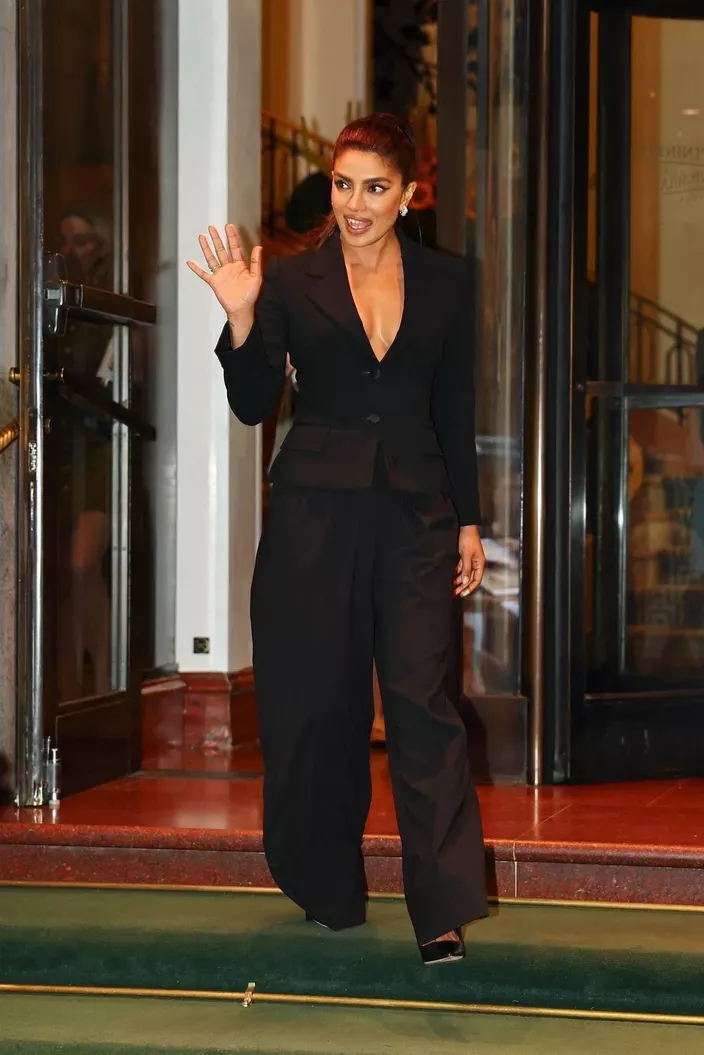
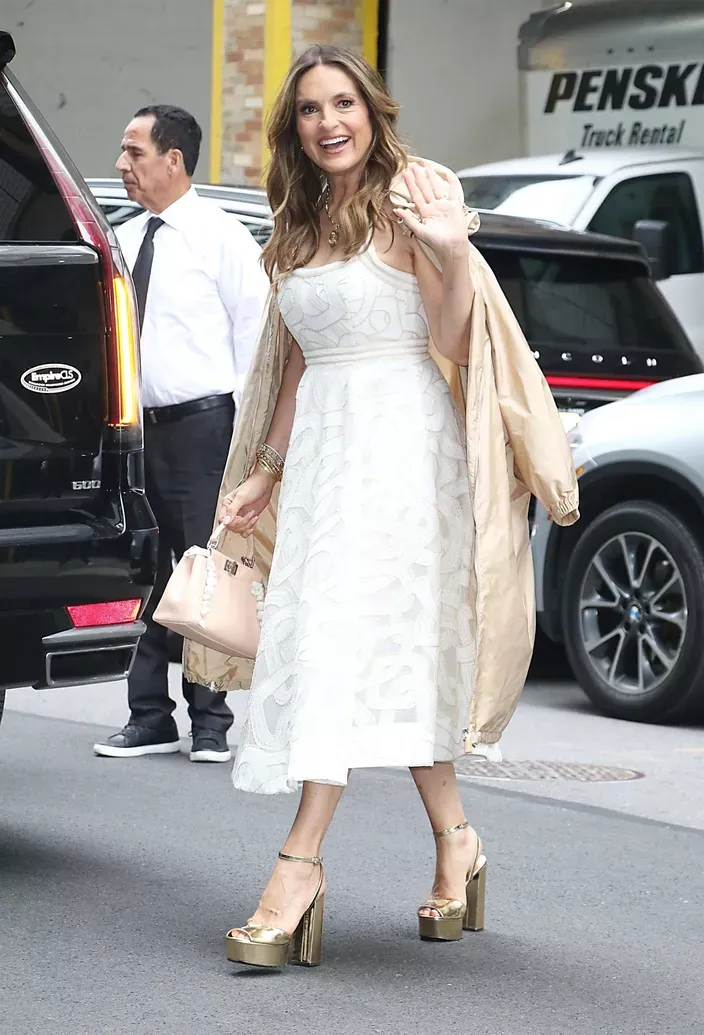
When Charlize Theron, Emma Stone, and Hailey Bieber step out in summer sandals, AI is watching—and learning. Fashion forecasting used to rely on human intuition and mood boards. Now? Computer vision algorithms analyze thousands of celebrity photos daily, identifying color palettes, heel heights, and material patterns that signal what's about to blow up. Machine learning models trained on Instagram, TikTok, and paparazzi imagery can predict trend velocity weeks before fashion editors catch on. The future of style is being written by neural networks.
Here's the reality: every shoe choice by a high-profile celeb gets automatically logged, categorized, and fed into trend-prediction engines. AI systems don't get tired, don't play favorites, and don't have bad taste days. They just crunch data and spit out probabilities.
The Data Behind the Style
Fashion brands now subscribe to AI trend services that automatically flag emerging patterns. When 15+ celebrities wear the same shoe type within 30 days? Algorithm detects it. When color adoption spikes across influencer networks? Flagged. This data-driven approach helps retailers optimize inventory before trends peak—reducing overstock waste by up to 30%, according to industry reports.
Computer Vision Does the Heavy Lifting
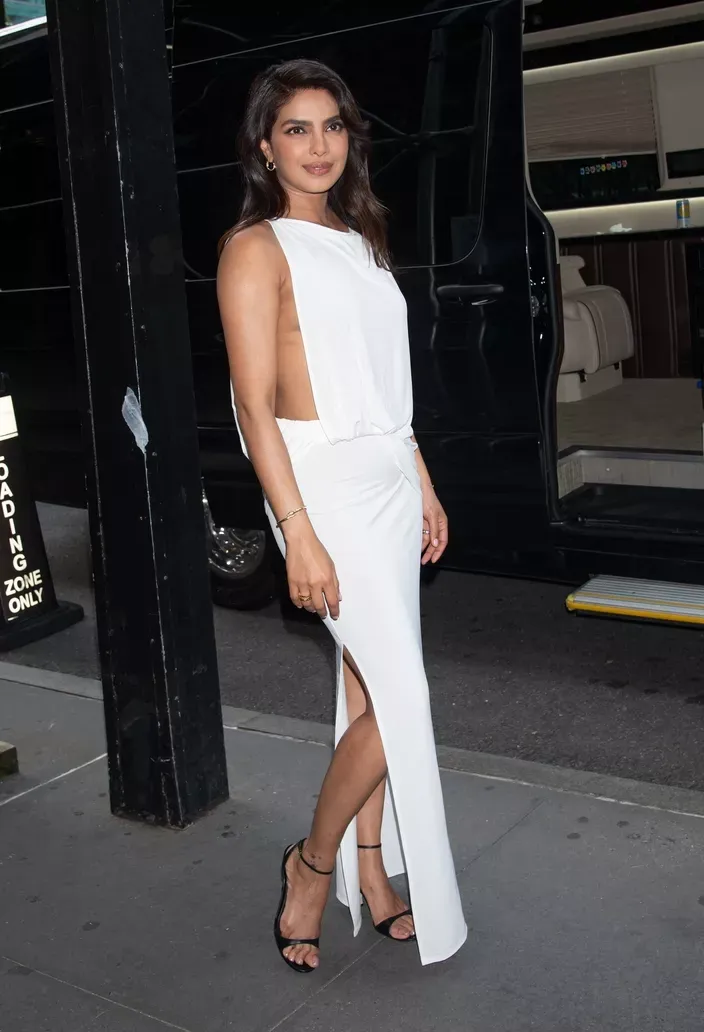
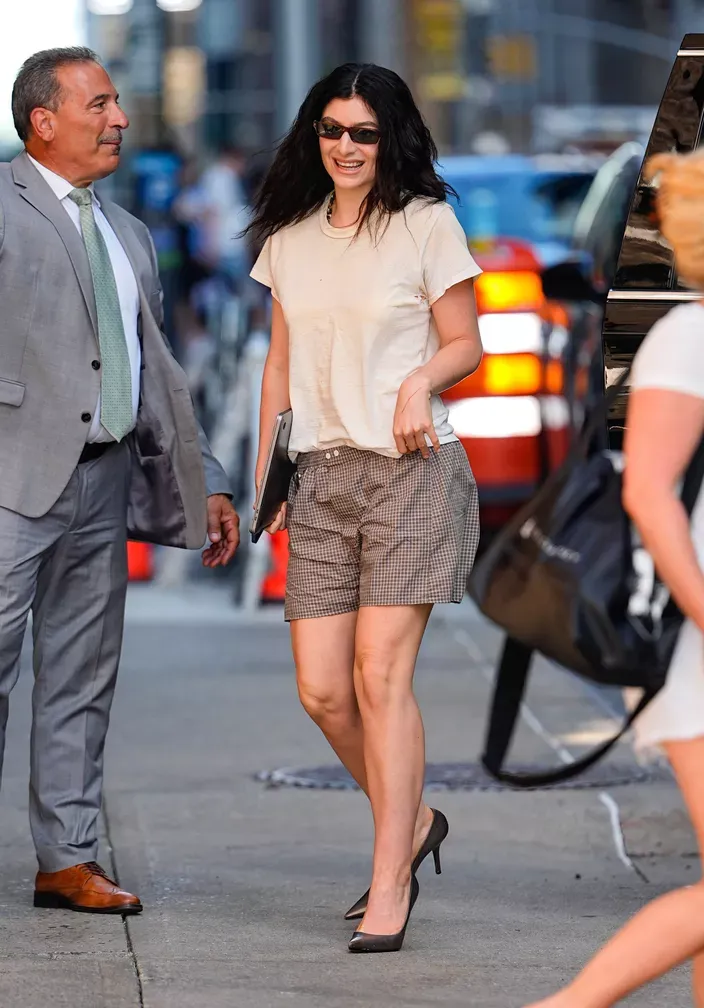
Modern fashion AI uses convolutional neural networks to extract visual features from images: texture, silhouette, color composition, materials. The system doesn't just say "sandal." It notes "strappy metallic heeled sandal with ankle strap, gold tone, 3-inch heel, summer 2025." That granularity is what makes predictions bulletproof.
Brands like Nike, Gucci, and Zara have already integrated AI-powered trend dashboards into their product development cycles. The result? Faster time-to-market, fewer seasonal flops, and smarter supply chain decisions driven by algorithm-backed confidence scores.
What This Means for Fashion Jobs
Trend forecasters aren't being replaced—they're being augmented. Junior trend scouts now spend less time manually scrolling through paparazzi sites and more time interpreting what AI surface. Fashion designers focus on creativity while algorithms handle the legwork of pattern recognition. It's a shift, not a extinction event.
The Influencer Effect
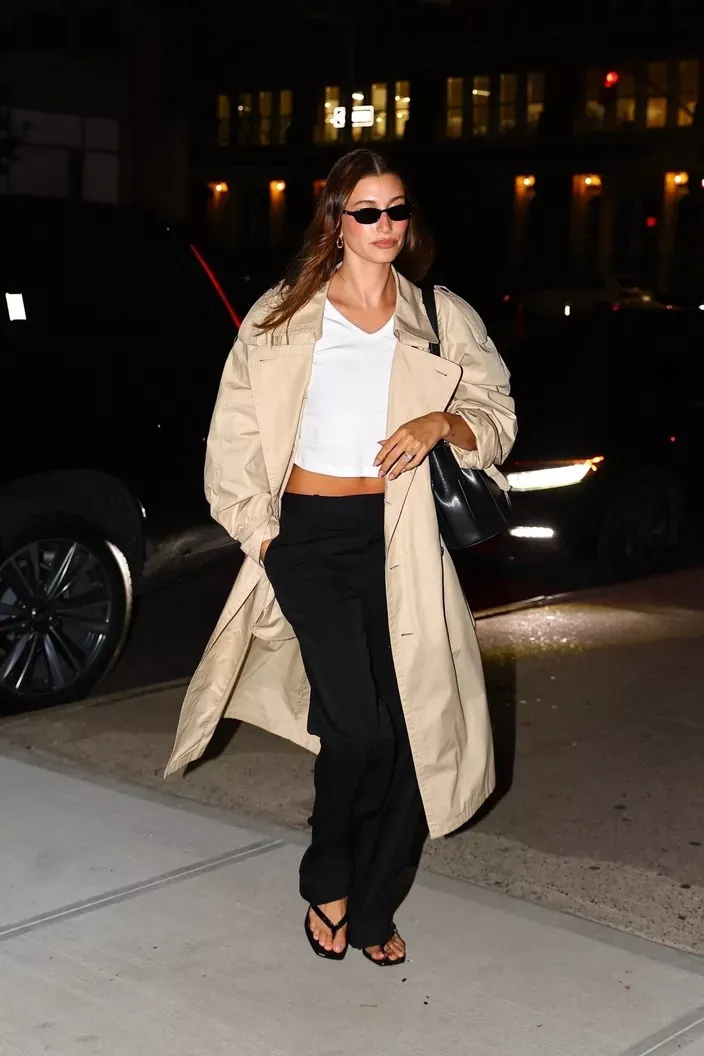
Celebrity wear has always driven sales. Now, AI quantifies exactly how much. When Hailey Bieber wears a specific shoe brand, algorithms track resulting Google searches, TikTok mentions, and retail traffic within hours. This data becomes part of the influencer valuation model—brands literally know ROI before paying for endorsements.
Questions people ask about AI fashion tracking:
Can AI predict which shoes will actually trend with regular people? Mostly yes, with about 70-75% accuracy for mainstream items. Celebrity adoption strongly correlates with consumer adoption, but AI still misses wild-card trends (niche communities, Gen Z chaos, etc.). The algorithm works best with established categories—not with completely new shoe types.
Are there privacy concerns with this level of image analysis? Absolutely. AI systems scrape public photos, but the ethical line gets blurry fast. Some fashion AI companies now face scrutiny over training data sourcing. Transparency in datasets is becoming a compliance issue.
Who owns the trend data once AI identifies it? Legal gray zone. If Brand A's AI spots a trend first, is that proprietary? Courts are still sorting this out. Patent law wasn't built for algorithmic fashion intelligence.
Will AI ever replace human fashion taste? No. AI is exceptional at identifying patterns and predicting adoption. It's terrible at creating meaning or emotional resonance. The creative direction still needs humans. AI just removes guesswork from the execution layer.
What happens when everyone uses the same AI tool? Market homogenization risk is real. If all brands rely on one trend-forecasting platform, fashion gets less diverse. The industry is aware of this and competing on proprietary algorithm quality.
Related reads about AI reshaping creative industries:
How Generative AI is Automating Design Workflows — Discover how machine learning is speeding up the design-to-production pipeline.
Data-Driven Personalization: The Future of Retail — Algorithms now customize shopping experiences in real time based on behavioral data.
Computer Vision in Manufacturing: Detecting Defects at Scale — See how visual AI is replacing human quality control in fashion production.