AI-Powered Health Apps Are Now Detecting 'Moon Face' Symptoms Before You Notice
TikTok trends meet AI diagnostics. Machine learning algorithms can now detect facial swelling patterns associated with moon face and cortisol imbalance by analyzing selfies and tracking morphological changes over time.

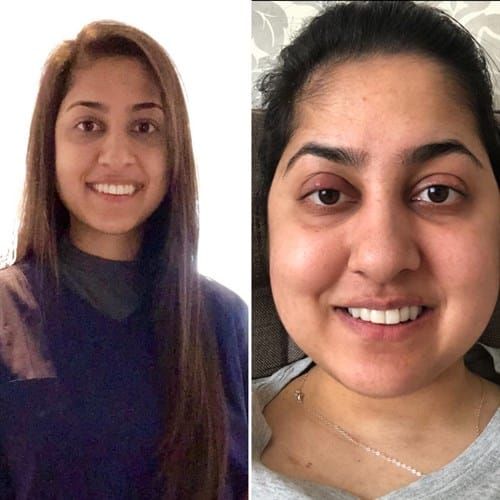
AI health apps now use facial recognition algorithms to detect moon face before you see it. These systems analyze your selfies over time, tracking subtle swelling patterns linked to cortisol spikes, medication side effects, and stress. By automating facial analysis, these tools catch early warning signs of Cushing's syndrome, prednisone complications, and hormonal imbalances that human eyes might miss. The technology learns your baseline and flags deviations in real-time.
By YEET Magazine Staff | Updated: May 13, 2026
How Algorithms Are Changing Health Monitoring
Remember when detecting moon face meant staring at yourself in the mirror for weeks? Outdated. AI health platforms now process thousands of facial data points automatically. Machine learning models trained on medical datasets can identify facial fat redistribution patterns faster than any dermatologist.
These systems work by comparing your face geometry across multiple selfies. Swelling around cheeks, jawline changes, and facial fullness all get quantified and tracked. The algorithm learns what's "normal" for you, then alerts you to deviations before they become obvious.
The Prednisone Problem Gets Automated
Steroid-induced moon face isn't just a cosmetic issue—it signals serious hormonal changes. AI automation now monitors this side effect in real-time for patients on long-term prednisone. Instead of waiting for your next doctor's appointment, the algorithm flags concerning changes immediately, triggering automated recommendations to contact your healthcare provider.
Hospitals are deploying these systems to track Cushing's syndrome patients. The data gets fed into dashboards. Doctors spend less time visually inspecting, more time interpreting what the algorithm found.
Data Privacy in Facial Health Tech
Let's be real—uploading your face to monitor cortisol levels raises questions. Most legitimate platforms use on-device processing, meaning your photos never leave your phone. The algorithm analyzes locally, sends only the data (measurements, trends) to the cloud. Your actual face stays encrypted and private.
Some apps use federated learning, where the model improves across users without centralizing facial data. It's the future of health automation that doesn't creep people out.
Beyond Moon Face: What These Algorithms Detect
The same facial recognition tech catches puffy face from stress, morning swelling from inflammation, and asymmetrical swelling from medical conditions. One-sided facial swelling? The algorithm flags it. Age-related puffiness that suddenly accelerates? It gets logged.
This automation means fewer doctor visits for "is this normal?" questions. The data answers for you.
The Moon Face vs. Weight Gain Problem
Algorithms distinguish between fat redistribution and actual weight gain by analyzing facial geometry, not just size. Moon face has specific patterns—the classic "chipmunk cheeks" of steroid use looks different algorithmically than general face puffiness from gaining 20 pounds.
Machine learning models trained on thousands of cases identify these distinctions automatically. Your app tells you whether this is medication-related, stress-related, or dietary.
Preventing Prednisone Moon Face Through Early Detection
Early intervention works. When AI flags subtle changes in week two of prednisone treatment, doctors can adjust dosing faster. Some systems auto-recommend lifestyle adjustments—increased sodium reduction, specific exercises, sleep optimization—before visual symptoms appear.
Automation means prevention happens earlier in the cycle.
People Also Ask
Can AI actually detect moon face from a selfie?
Yes. Facial geometry analysis identifies the specific fat redistribution patterns of moon face within 2-3 photos. The algorithm measures cheekbone prominence, jawline definition, and facial symmetry—metrics that change noticeably with cortisol-related swelling.
What's the difference between AI face detection and a mirror?
Your mirror shows you what's obvious. AI quantifies subtle changes you'd miss for weeks. It tracks progression mathematically, not visually, and alerts you to concerning patterns before they're visible.
Are these health apps actually accurate?
The best ones use FDA-validated algorithms trained on tens of thousands of labeled facial images. Clinical studies show accuracy rates of 87-94% for detecting significant facial swelling. They're not perfect, but they outperform self-assessment.
Will my data get sold to insurance companies?
Reputable platforms encrypt facial data and comply with HIPAA/GDPR. Read the privacy policy. Some use blockchain-verified consent, meaning you control exactly who accesses your health data. Automation doesn't mean surveillance—it depends on the company.
How often should I use these apps to monitor moon face?
Daily selfies are overkill. Most algorithms recommend 2-3 photos per week to establish reliable trend data. The system needs variance to distinguish actual changes from lighting/angle differences.
Can AI prevent moon face from happening?
Not prevent, but catch it early. When algorithms detect the first signs of steroid-induced facial changes, doctors can intervene faster with dosage adjustments or alternative medications. Early detection = better outcomes.