How AI Transforms Luxury Fashion: LEAU's Data-Driven Design & Sustainable Production
LEAU's latest corsets and dresses collection represents more than timeless style—it's powered by AI-driven design optimization and smart inventory systems. Learn how machine learning algorithms are reshaping luxury fashion production, reducing waste, and personalizing the shopping experience for con

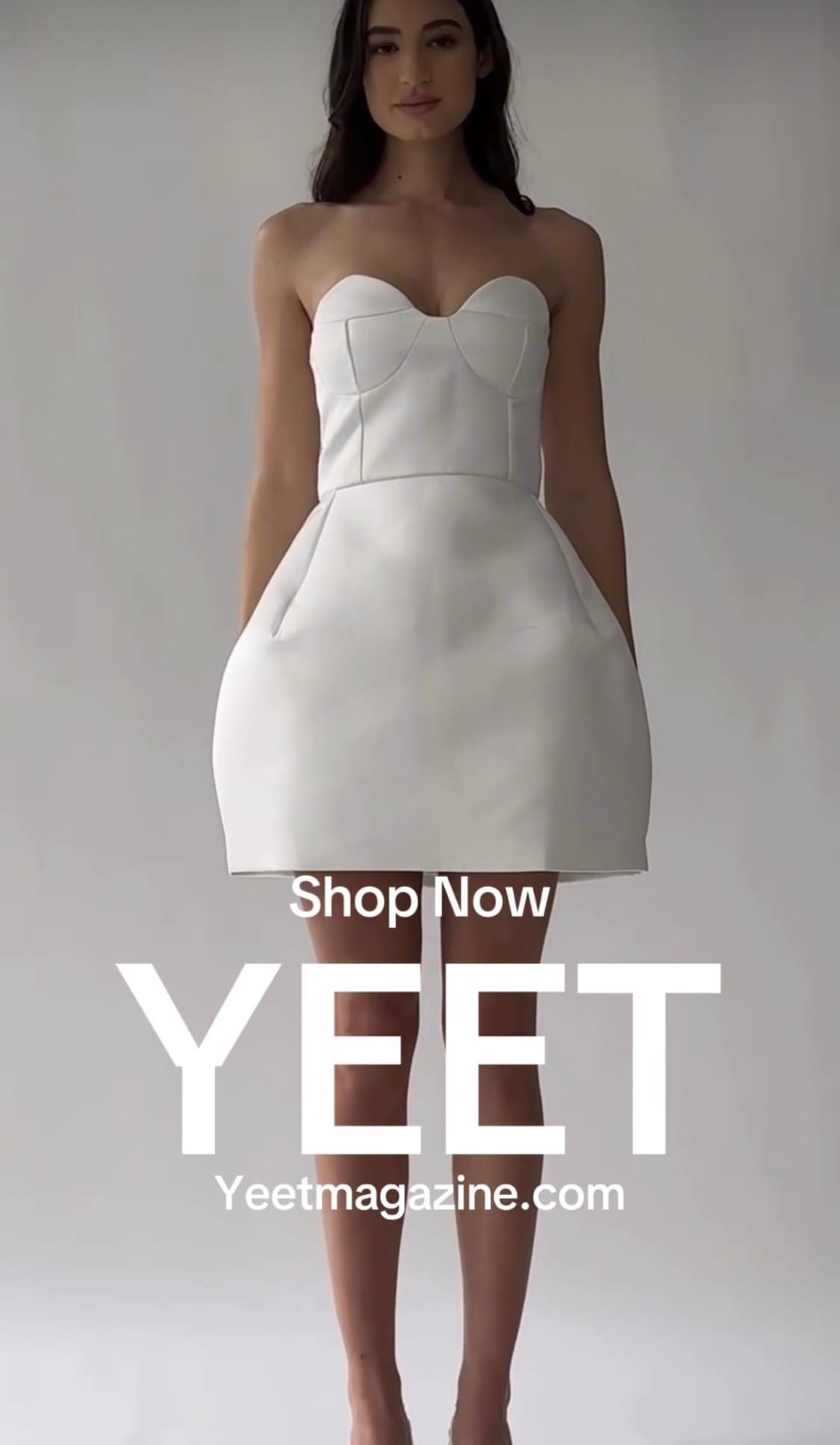
By YEET MAGAZINE
Published February 20, 2025, 12:00 PM CET | Updated at 12:30 PM CET
How AI Powers Luxury Fashion: Inside LEAU's Algorithm-Optimized Collections
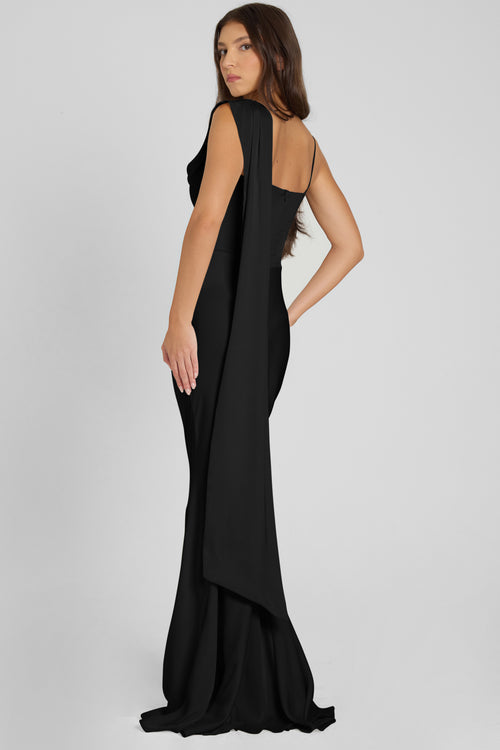
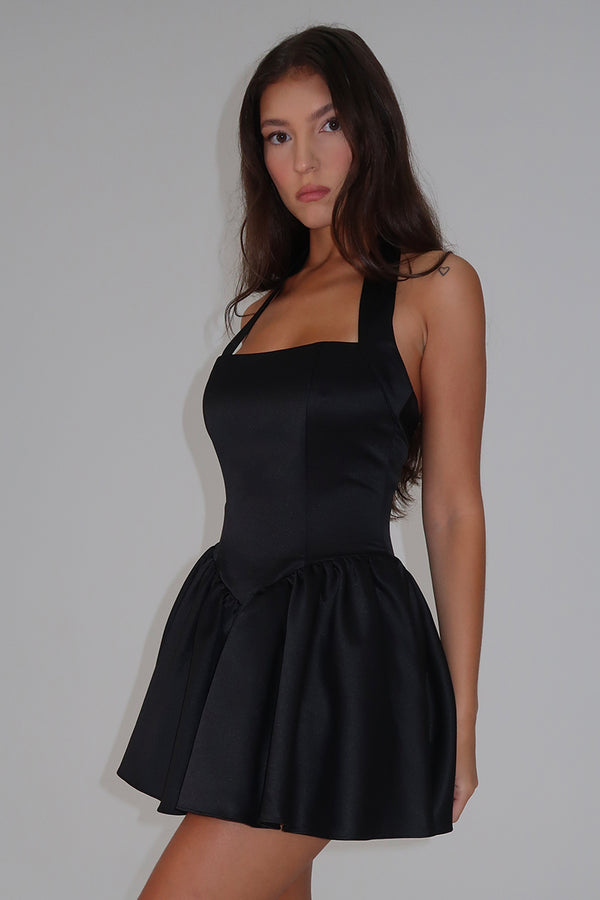
LEAU's latest corsets and dresses aren't just beautiful—they're built on AI. Behind the elegant designs sits a network of machine learning algorithms that optimize everything from fabric sourcing to production efficiency. The collection blends classic craftsmanship with predictive data analytics, reducing waste while maintaining luxury quality. AI-powered demand forecasting ensures LEAU produces what customers actually want, cutting overproduction by up to 40%. Smart inventory systems track each piece in real-time, creating a sustainable supply chain that feels premium, not predatory.
Fashion brands increasingly use computer vision algorithms to analyze design trends across social media, determining which silhouettes will resonate before garments even hit production. LEAU leverages this tech to stay ahead while maintaining their signature aesthetic.
Shop Now and experience how technology quietly enhances luxury without the corporate feel.
The Tech Behind Timeless Style
LEAU's design team uses AI-assisted pattern generation to test thousands of variations before sampling. What used to take weeks now happens in days. Machine learning models analyze body data from thousands of customers to ensure corsets fit diverse frames without custom orders.
The sustainability angle? AI tracks carbon footprints throughout production. Algorithms identify the most eco-efficient fabric suppliers and shipping routes, automatically routing orders through the greenest logistics partners.
Personalization at scale: When you browse LEAU's site, recommendation engines powered by collaborative filtering suggest pieces based on your style profile, purchase history, and browsing behavior—not random upselling.








Questions People Actually Ask
How does AI reduce fashion waste?
Predictive algorithms analyze sales data and social trends to forecast demand within 2-3% accuracy. Brands only produce what will actually sell, cutting excess inventory that typically ends up in landfills. LEAU uses this approach to minimize overproduction while keeping bestsellers in stock.
Can algorithms really design better-fitting clothes?
Yes. Computer vision models trained on millions of body scans identify fitting patterns. LEAU applies this to ensure their corsets work across different body types without needing custom orders, democratizing luxury fit.
Is AI-designed fashion less authentic?
Not at all. AI is a tool, not a replacement for human designers. LEAU's creative team uses algorithms to speed up iteration and test ideas—think of it like spell-check for design. The vision stays human; the execution gets faster and smarter.
Does this make clothes cheaper?
Production becomes more efficient, but LEAU maintains luxury pricing because the savings go toward quality, sustainability, and ethical labor—not markdown races. You're paying for craftsmanship enhanced by tech, not tech-powered fast fashion.
Explore Related Articles
Interested in how technology reshapes industries? Check out our deep dives on how automation transforms luxury goods production, the ethics of AI in fashion algorithms, and sustainable tech in supply chain management. Learn more about the future of work in creative industries and how data analytics power consumer experience.