How AI Moderation Algorithms Failed to Flag Bianca Censori's Grammy Outfit Before Broadcast
AI content moderation systems failed to flag Bianca Censori's Grammy outfit before global broadcast. We explore why algorithms missed this moment and what it means for the future of automated content screening.

YEET MAGAZINE, Published February 05, 2025, 17:00 GMT, updated February 05, 2025, 17:30 GMT.
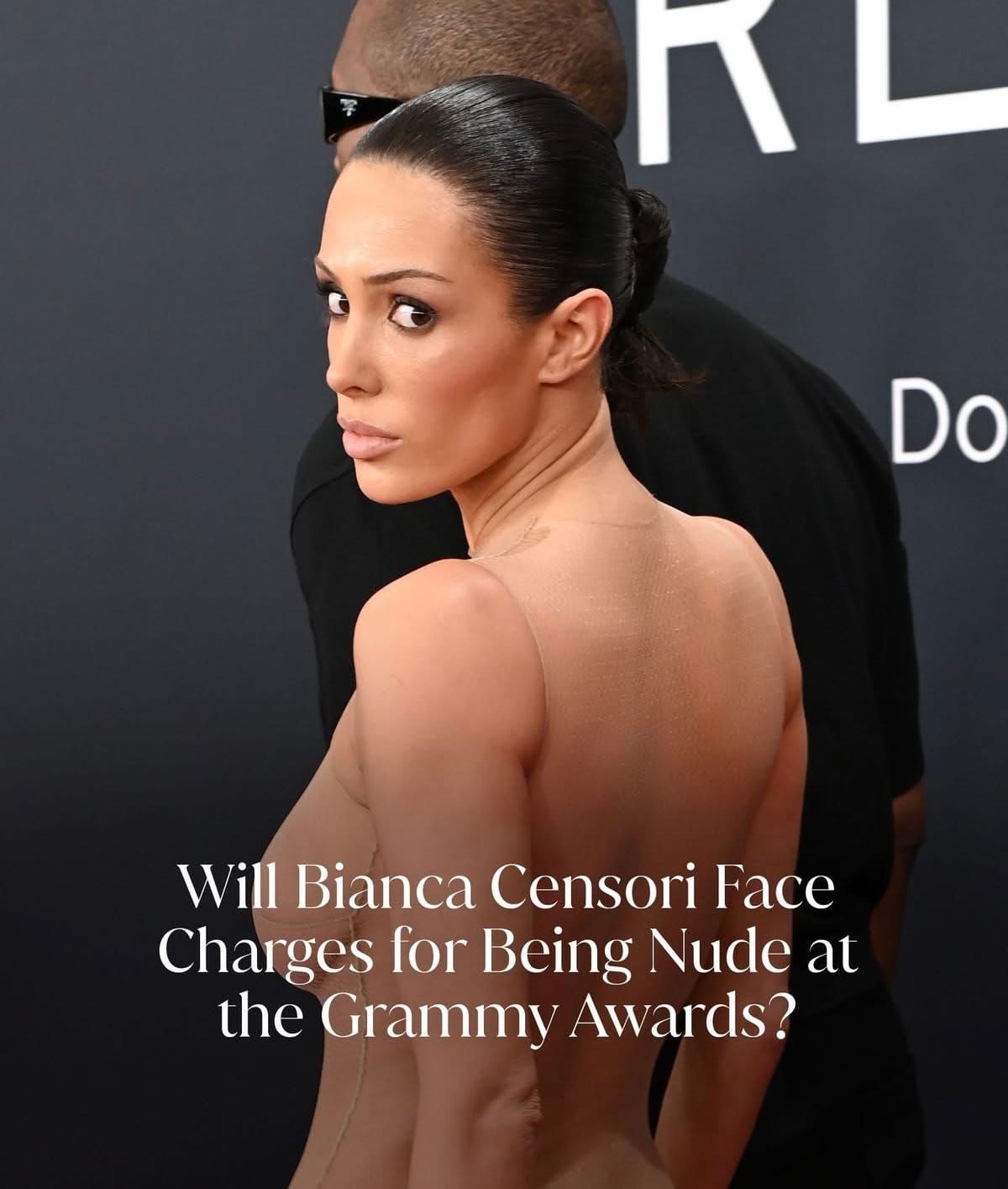
When Bianca Censori walked the 2025 Grammy red carpet in her nearly nude outfit, AI moderation algorithms deployed by the broadcast network didn't flag the content before it hit millions of screens globally. This massive failure reveals critical gaps in automated content screening systems—and raises serious questions about whether AI is ready to police live television.
Short answer: No major incidents occurred legally, but the real story is tech-based. Content moderation AI failed spectacularly. Broadcast networks rely on machine learning models trained to detect nudity and explicit content in real-time. These systems typically use computer vision to analyze video feeds, categorizing potential violations for human review. Bianca's outfit somehow slipped through multiple layers of algorithmic filters.
Why AI Missed the Mark
Modern AI image recognition uses convolutional neural networks (CNNs) to detect skin exposure and flag inappropriate content. But here's the problem: these models struggle with edge cases. Bianca's outfit likely featured strategic coverage—nude-toned fabrics, body-conforming designs—that confused the AI's classification systems.
The algorithms work like this: they're trained on thousands of labeled images showing "acceptable" vs. "unacceptable" content. But fashion exists in gray areas. A bikini is fine. A bodysuit in nude tone? The AI doesn't always know. This is the same challenge AI faces with creative expression across entertainment.
Broadcast networks typically layer multiple detection systems: automated flagging, human monitors, and delay mechanisms. All three apparently failed simultaneously. That's not just bad luck—it's a systemic breakdown in how we've automated content control.
The Bigger AI Problem: Context
Current content moderation algorithms lack contextual understanding. They can't distinguish between a medical documentary, artistic expression, and something genuinely problematic. They see skin and flag it. Or they see "fashion item" and ignore it.
The Grammy Awards exist in a cultural context where boundary-pushing fashion is expected. A true AI system would understand this. Instead, we have brittle models that either over-flag (catching Taylor Swift in a backless dress) or under-flag (missing Censori's outfit).
Kanye West's silence on this incident actually speaks volumes. Major fashion moments from his collaborators often challenge norms. The networks are caught between protecting viewers and respecting artistic freedom—something AI absolutely cannot negotiate.
Real-Time Processing Failures
Live television moderation requires sub-second decision-making. The AI has milliseconds to analyze video frames and alert humans. Latency issues alone could explain the gap. If the system detected something questionable but took 3 seconds to process, the moment already aired.
Industry insiders suggest most broadcast AI runs on 5-10 second delays, allowing human reviewers time to intervene. But if Bianca's outfit ambiguity confused the model, no human got the alert in time.
What happens next: Networks will retrain their models with this case. Bianca's outfit becomes training data. The AI learns from the failure. It's a grim reminder that automation in broadcasting is only as good as its last incident.
Data Privacy Meets Content Moderation
Here's an uncomfortable truth: to improve these systems, networks need more training data. That means analyzing thousands of hours of celebrity footage, fashion shows, and borderline content. Privacy advocates argue this mass data collection crosses ethical lines, even if it technically improves AI performance.
The trade-off is real. Better moderation requires more surveillance. More surveillance requires more data. More data means someone's footage gets scraped and analyzed without permission.
The Automation Paradox
Networks automated content moderation to save money and scale globally. A human team reviewing every second of live content is impossibly expensive. So they deployed AI. But AI failed. Now they either hire more humans (expensive) or invest in better AI (expensive plus privacy concerns).
This is the future of work crisis nobody talks about. Automation was supposed to replace moderators. Instead, it created a hybrid mess where automation handles 95% of work poorly, requiring humans to catch what slipped through.
Welcome to 2025: where neither humans nor AI can reliably moderate live television.
What Should Change
Broadcast networks need more transparent AI systems that can explain why they flagged (or didn't flag) specific content. Currently, most content moderation models are "black boxes"—nobody really knows why they make decisions.
They also need better human-in-the-loop systems. AI shouldn't decide alone. Humans shouldn't decide alone. Together, they need split-second collaboration that's actually impossible at scale.
Finally, the industry needs clearer guidelines. What counts as acceptable fashion content? Is it based on intent, anatomy, cultural context, or artistic merit? Until those questions are answered, AI will keep failing.
The Precedent
This isn't Bianca's fault. The real issue is that we've handed critical gatekeeping duties to machines that fundamentally misunderstand human expression. Music awards shows are literally about pushing boundaries. We're deploying restrictive AI in a space designed to break rules.
It's like hiring a security guard who doesn't understand art to guard a museum. Then blaming the art when the security system malfunctions.
Common Questions
Q: Could Bianca Censori actually face legal charges?
A: Unlikely. Public decency laws require intent to offend, and wearing fashion at a televised event doesn't meet that threshold. The legal system moves slow; fashion moves fast.
Q: Why didn't human monitors catch this?
A: Live television moves too fast for perfect human judgment, especially when algorithms failed to provide alerts. It's a cascading failure, not individual incompetence.
Q: Will networks change their AI systems after this?
A: Yes. They'll retrain models, increase delay buffers, and probably hire more human moderators. Expect broadcast delays to get longer.
Q: Is this about censorship?
A: Not really. It's about automation failing at judgment calls. Whether content should be flagged is debatable. Whether AI made the right choice is the real story.
Q: Could this happen again?
A: Absolutely. Until AI understands context and artistic intent, these failures are inevitable. We're asking machines to make cultural decisions they can't comprehend.
Related Reads
Check out our deep dive on AI in entertainment and celebrity culture for more on how algorithms shape what we see in pop culture. Also explore our coverage of content moderation at scale and the future of automated broadcasting.
```