AI Will Reshape the Monarchy: How Algorithms Could Transform Prince William's Future Reign
Prince William's candid interview reveals plans to modernize the monarchy—but what role will AI and automation play? From automating ceremonial duties to using data analytics for public engagement, algorithms could reshape how the British crown operates.

By YEET Magazine Staff, YEET Magazine
Published October 4, 2025
AI Will Reshape the Monarchy: How Algorithms Could Transform Prince William's Future Reign
Prince William's recent interview signals a tech-forward modernization of the monarchy. While the Prince spoke about abandoning outdated traditions, he's hinting at something deeper: the integration of AI, automation, and data analytics into royal operations. As future King, William appears ready to leverage algorithms to streamline ceremonial duties, optimize public engagement, and automate legacy processes that have weighed down the institution for centuries.
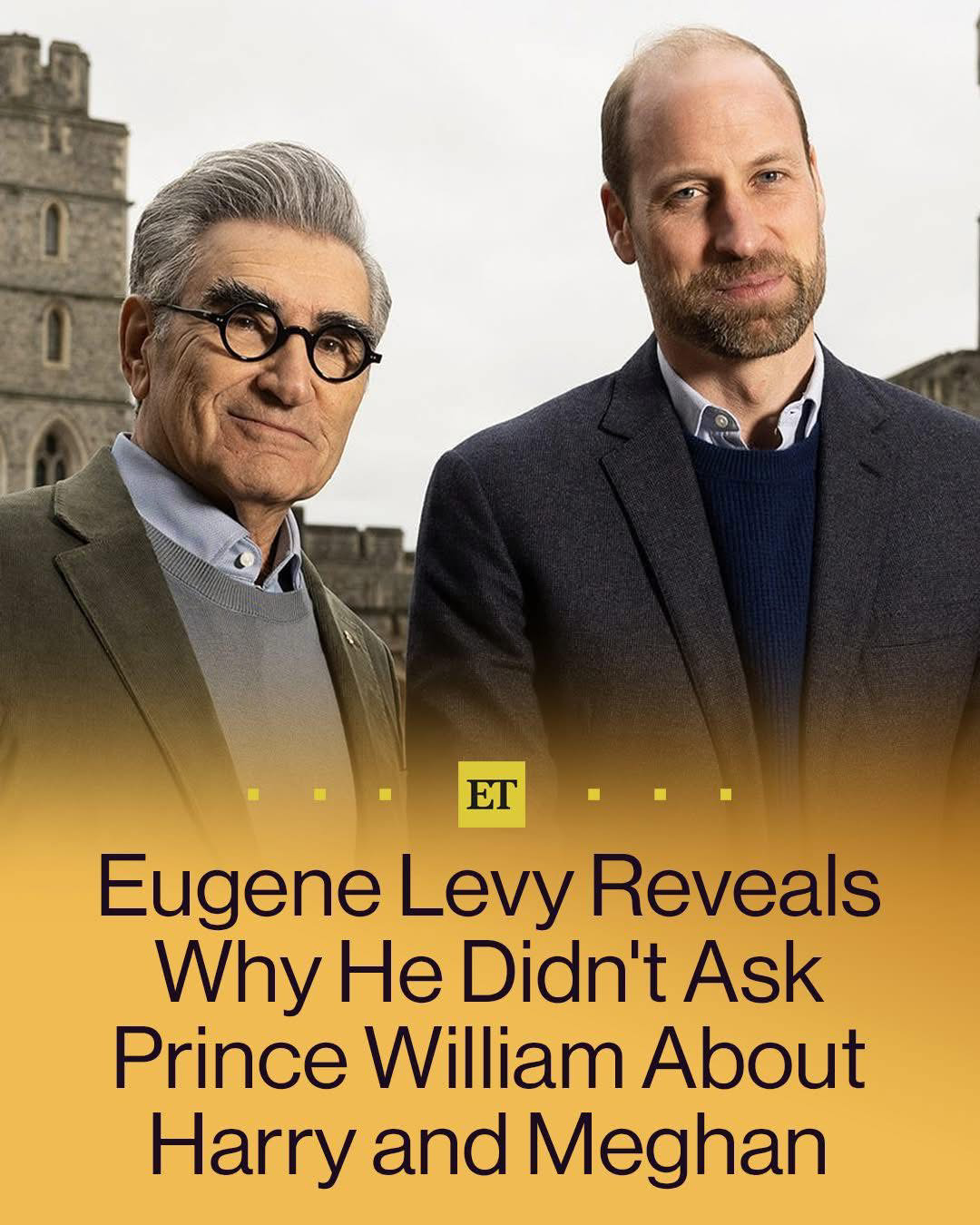
William's key statement—"history can be a real weight and an anchor around you"—reads like a tech CEO's pitch for digital transformation. In the corporate world, legacy systems get replaced with cloud infrastructure. For the monarchy, that could mean automating the scheduling of 400+ annual royal engagements using machine learning algorithms instead of human coordinators.
"Other things overwhelm me, but not history… history can be a real weight and an anchor around you, and you can feel suffocated by it," William said.
The Prince's emphasis on flexibility and questioning tradition hints at data-driven decision-making replacing centuries of unexamined customs:
"If you're too intrinsically attached to history, you can't possibly have any flexibility… I like a little bit of change. I want to question things more."
Translation: William wants to audit royal traditions the way a startup audits outdated code. Machine learning could analyze which ceremonies actually matter to modern Brits, which protocols waste resources, and which traditions could be digitized entirely.
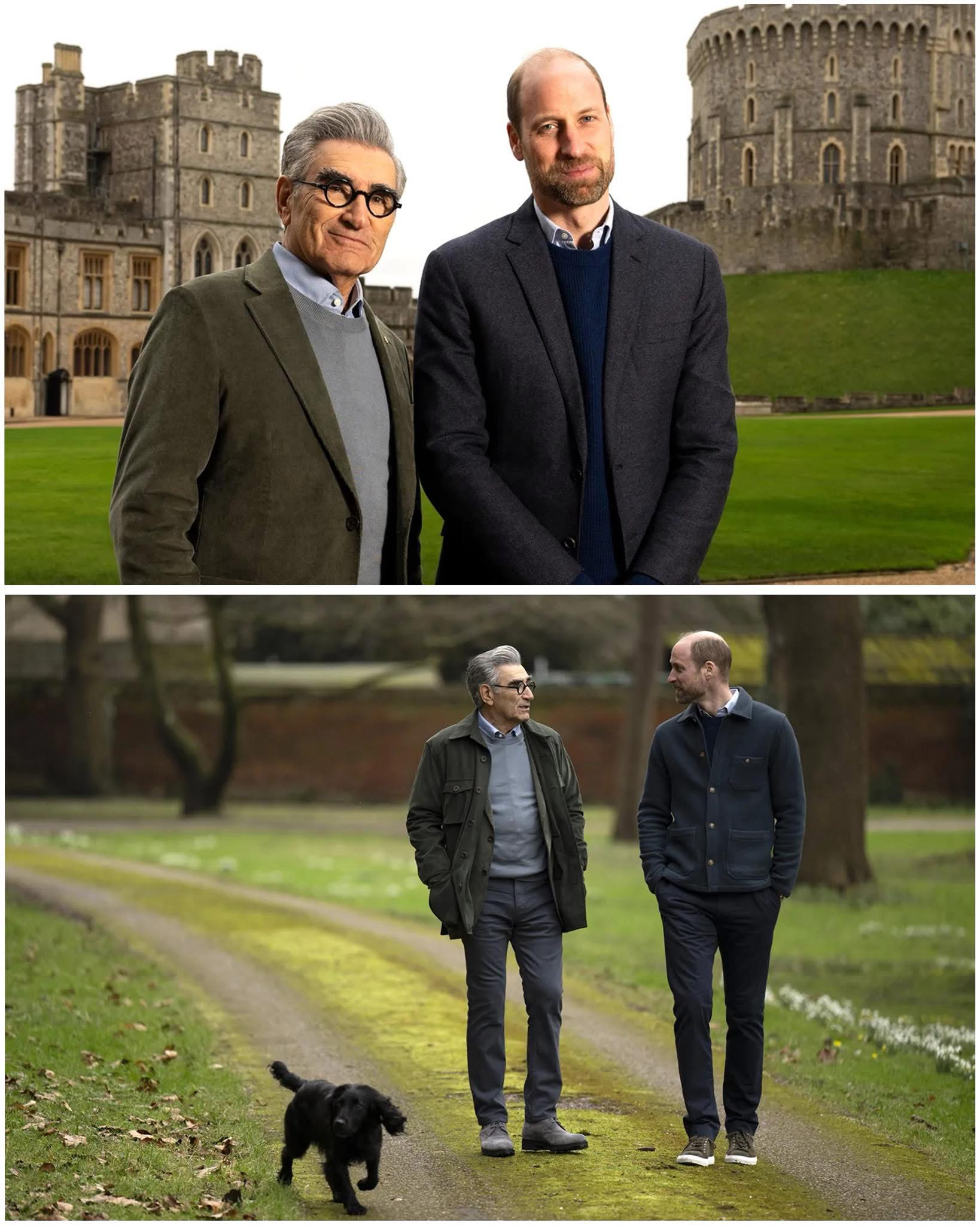
When William asks, "Is that still fit for purpose today?" he's essentially running a technical audit. AI tools can analyze public sentiment in real-time—mining social media, polling data, and engagement metrics—to determine which royal traditions resonate and which belong in a museum. Predictive algorithms could forecast the public impact of ceremonial changes before they happen.
"Tradition will stay and Tradition has a huge part of all this. But there are points where you look at tradition and ask, is that still fit for purpose today?"
The automation angle becomes clearer with William's embrace of change. The future King is positioning himself as unafraid of digital transformation—a signal that the monarchy under his reign will adopt enterprise automation tools, data governance frameworks, and algorithmic decision-making.
"It is safe to say that change is on my agenda. Change for good. And I embrace that and I enjoy that change – I don't fear it."
Consider the scale: Royal households manage thousands of personnel, coordinate global diplomatic visits, process ceremonial protocols for dozens of annual events, and maintain institutional knowledge across generations. AI could streamline palace operations significantly. Robotic process automation (RPA) could handle visa paperwork, schedule confirmations, and correspondence filtering. Chatbots could field routine inquiries from the public. Predictive analytics could optimize tour scheduling and event logistics.
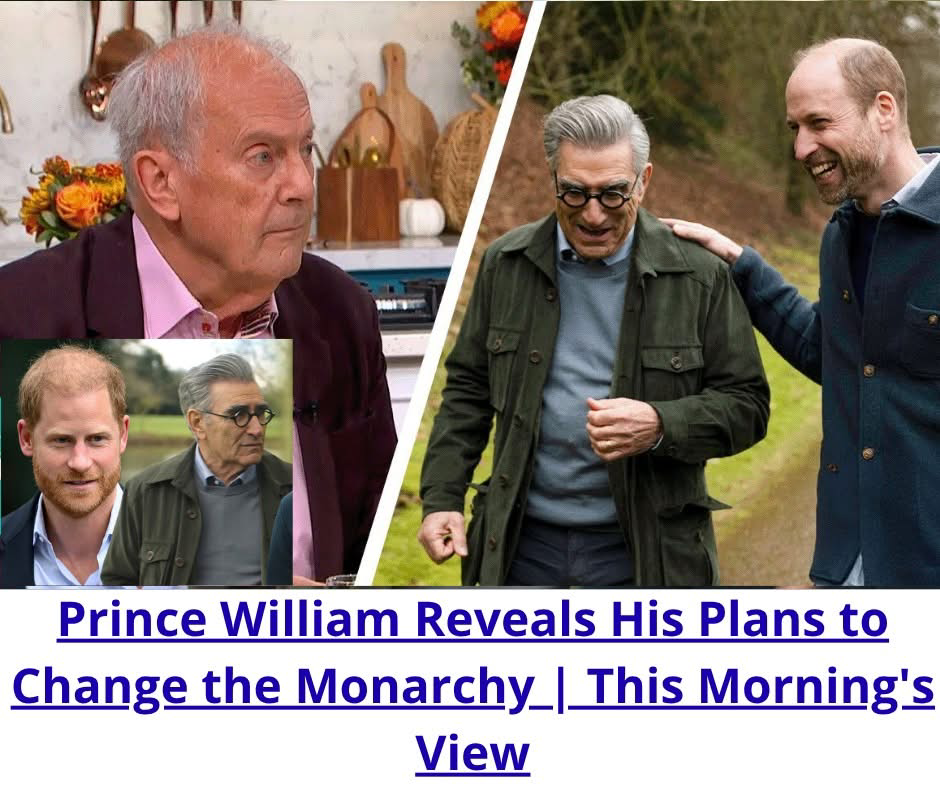
Analysts see this interview as a strategic warning: the monarchy under William won't just modernize—it will digitize. He's preparing to make data-backed decisions that could reshape centuries of tradition using algorithms and automation.
"That's the bit that excites me, the idea of being able to bring some change. Not overly radical change, but changes that I think need to happen," the Prince added.
This language mirrors how tech leaders discuss digital transformation—controlled, measured, but inevitable. Prince William's message is clear: AI and automation will be essential tools for modernizing the monarchy without destroying its core identity. The future of the British crown won't just be about questioning traditions—it'll be about optimizing them through data science.
Could the monarchy actually run on AI?
Not entirely—but large portions could. Royal engagements could be optimized using scheduling algorithms. Media relations could leverage sentiment analysis. Ceremonial protocols could be evaluated through public data analysis. The monarchy's brand presence could be managed with dynamic personalization AI, making the institution feel more relatable to modern audiences.
What traditions would AI actually eliminate?
William won't automate the Crown Jewels ceremony or the State Opening of Parliament. But outdated administrative processes, redundant approval chains, and ceremonial bureaucracy are prime targets. Machine learning could determine which customs genuinely matter to Brits and which are just institutional inertia.
Is this how institutions survive?
Yes. Every legacy organization—from the Catholic Church to the US Congress—faces the same choice: digitize or become irrelevant. William is wisely signaling that the monarchy will choose modernization while preserving its ceremonial soul.
What about the jobs AI will eliminate?
That's the real question. Hundreds of palace staff and coordinating institutions could face automation. But William's emphasis on "change for good" suggests a thoughtful transition rather than a ruthless tech overhaul.
Related posts: How automation will reshape diplomatic protocols | AI governance models | Future of work in legacy institutions