How AI-Powered Music Algorithms Are Shaping Teen Behavior and Mental Health
Music shapes teen emotions, but here's the real story: AI algorithms decide which songs teens hear. From Spotify's recommendation engine to TikTok's viral machine, algorithms curate soundtracks that influence mood, behavior, and identity formation.

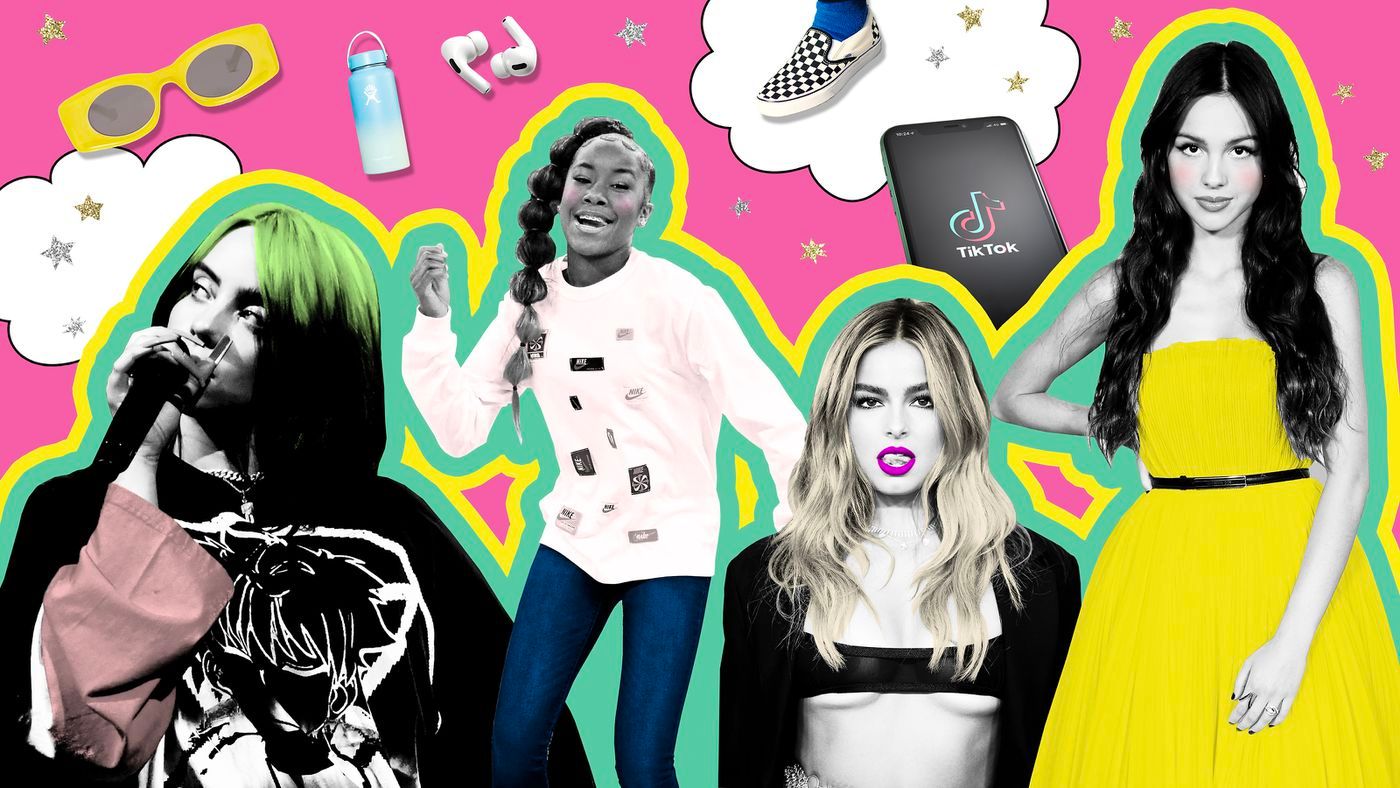
Music influences teenagers profoundly, but the algorithm controls the playlist. AI-powered recommendation systems from Spotify, Apple Music, and TikTok shape what 40+ million teens hear daily. These systems don't just respond to preferences—they actively create them. By analyzing listening patterns, skip rates, and engagement metrics, algorithms predict and influence teen behavior in real-time. The result: music that bolsters mood, decreases depression, and builds identity—all filtered through machine learning models trained on billions of data points.
By YEET Magazine Staff | Updated: May 13, 2026
Here's the uncomfortable truth: teens aren't discovering music anymore. Algorithms are discovering music *for* them. Every song recommendation, playlist suggestion, and viral trend on TikTok is the product of sophisticated data processing.
What Music Do Teens Listen To? (And Who Decides)
From Ed Sheeran to Travis Scott, today's teens have access to everything. But access isn't the same as choice. Streaming platforms use collaborative filtering and neural networks to predict what individual teens want before they know it themselves.
Spotify's algorithm analyzes 70+ data points: tempo, energy, danceability, and even the "valence" (musical positivity) of a track. TikTok goes deeper—it tracks watch time, rewatches, shares, and comments to identify viral patterns. Teens think they're choosing independently. They're actually responding to algorithmic nudges designed to maximize engagement and ad revenue.
The diversity of teen music taste is real, but it's algorithmically guided. Machine learning systems funnel users into personalized echo chambers where recommendations reinforce existing preferences rather than challenge them.
How AI Affects Teen Mental Health Through Music
Music therapy is legit: studies show playlists improve mood, decrease depression, and ease pain by increasing blood flow and reducing cortisol. But here's the twist—algorithms optimize for engagement, not well-being.
When a teen feels sad, Spotify's algorithm might recommend lo-fi hip-hop or indie sad songs because it learned that engagement metrics spike during emotional vulnerability. Is that helping? Maybe. But it's also training the AI to predict and monetize emotional states. Teens aren't just listening to music; they're generating data that feeds the machine.
YouTube's recommendation engine has been caught recommending extreme content to vulnerable users. TikTok's algorithm can create feedback loops where sad content gets more views, triggering more sad recommendations. The system isn't evil—it's just optimized for watch time, not mental health outcomes.
Why Algorithms Control Teen Identity Formation
Music has always been tied to identity. Listening to certain genres signals belonging to a subculture or peer group. But when algorithms curate identity-building soundtracks, teenagers lose autonomy in that process.
A 15-year-old exploring their identity doesn't randomly discover an underground artist anymore. They discover what the recommendation algorithm surfaces based on their behavioral profile. That's powerful for platforms (hyper-targeted ad targeting) and limiting for teens (narrowed horizons, algorithmic silos).
The psychological benefit of music—self-discipline, self-discovery, fostering positivity—still holds. But now those benefits come wrapped in data extraction and behavioral prediction. Teens are developing their sense of self through interfaces designed to maximize screen time and collect behavioral data.
The Automation of Taste and Discovery
Curators, DJs, and music journalists used to guide taste. Now algorithms do. This automation has speed and scale advantages but serious downsides: gatekeeping shifts from human experts to machine learning models trained on historical data (which encodes past biases), and niche discovery becomes harder because algorithms optimize for mainstream appeal and high engagement.
Teens rarely stumble on music anymore. Every discovery is logged, analyzed, and fed back into the recommendation model. The serendipity of music discovery is being replaced by statistical prediction.
What Happens Next?
Expect more sophisticated AI-driven music experiences: personalized AI-generated playlists, real-time mood-detection that adjusts recommendations based on biometric data, and deepfake music tailored to individual preferences. The future of music for teens isn't human-curated or even human-discovered. It's algorithmic.
The question for teens, parents, and platforms: How do we preserve the mental health benefits of music while resisting the algorithmic manipulation baked into modern streaming? That's the real song teenagers should be listening to.
FAQs
How do music recommendation algorithms actually work?
Streaming platforms use collaborative filtering (comparing your taste to similar users) and content-based filtering (analyzing song features like tempo and genre). Advanced systems layer neural networks and machine learning models that predict what you'll engage with based on billions of data points.
Can AI music recommendations harm teen mental health?
Not directly, but they can amplify emotional states. If the algorithm learns a teen engages more with sad music, it surfaces more sad content, potentially creating feedback loops that deepen negative moods rather than lifting them.
Do teens actually have music taste anymore, or is it all algorithmic?
Both. Teens have genuine preferences, but algorithms shape and narrow those preferences by controlling what surfaces in feeds and recommendations. True discovery requires breaking out of algorithmic personalization bubbles.
What's the difference between Spotify, Apple Music, and TikTok's music algorithms?
Spotify optimizes for long-term listener satisfaction and retention. Apple Music integrates with device usage patterns. TikTok's algorithm is designed for virality and engagement—which means it can surface niche content faster but also amplifies extreme or emotionally charged music.
How can teens use music algorithms intentionally instead of being used by them?
Actively search for artists and genres outside algorithm suggestions. Create playlists manually. Follow niche music blogs and podcasts. Use "Discover Weekly" as a starting point, not a destination. Be aware that every engagement trains the algorithm to predict you.
Related posts:
How AI Algorithms Control Your Social Media Feed
Data Privacy: What Streaming Platforms Know About You
Automation in Creative Industries: Will AI Replace Musicians?
How Streaming Services Are Shaping Culture