How AI-Powered Personal Shoppers Are Replacing Traditional Luxury Retail: The Saks Fifth Avenue Guide
Luxury shopping is getting a tech overhaul. AI-driven recommendation engines now analyze your style data to curate designer collections smarter than traditional personal shoppers. Here's how algorithms are automating high-end fashion discovery.


AI algorithms are fundamentally reshaping how luxury retailers like Saks Fifth Avenue work. Machine learning systems now analyze purchase history, browsing behavior, and style preferences to recommend Brunello Cucinelli cashmere or Chloe dresses before you even know you want them. Retail automation has moved beyond warehouse logistics—it's now personalizing the shopping experience in real-time, replacing traditional personal shoppers with data-driven recommendations that scale across millions of users simultaneously.
The future of high-end retail isn't about store associates anymore. It's about algorithmic curation.
How Recommendation Algorithms Power Luxury Shopping
Saks' recommendation engine processes behavioral data at scale. Every click, saved item, and abandoned cart feeds into predictive models that surface products you'll actually buy. This isn't magic—it's machine learning classification.
Traditional personal shoppers made decisions based on gut feel and conversations. AI systems make decisions based on millions of data points: seasonal trends, price sensitivity, brand affinity, color preferences, even the time between browsing and purchase.
The result? Personalization that beats human memory every time.
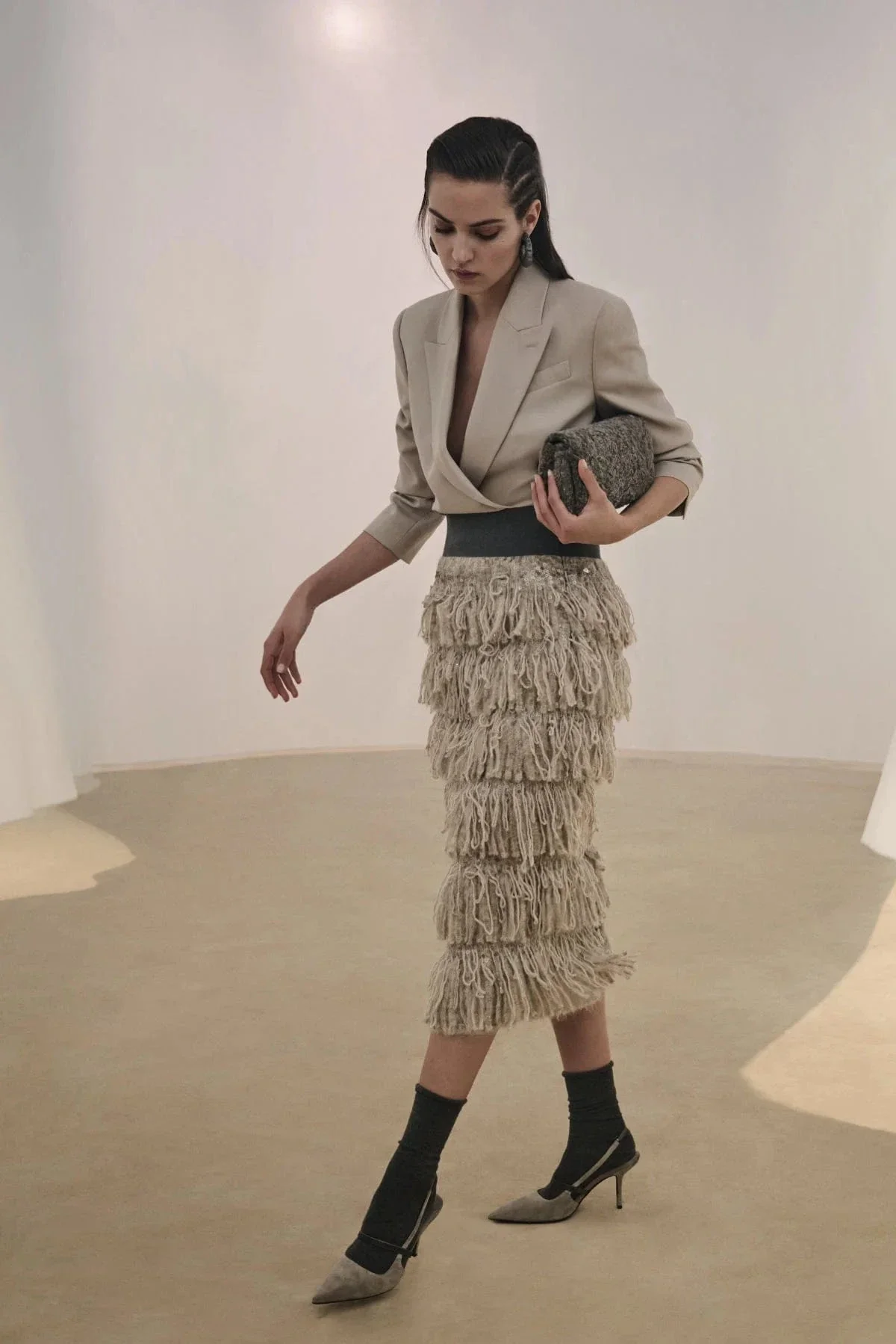
Brunello Cucinelli: When Data Meets Italian Craftsmanship
Premium cashmere sweaters and tailored trousers sound timeless, but AI systems now predict exactly which Brunello Cucinelli pieces match your aesthetic. Algorithms analyze color palettes, fabric preferences, and silhouettes you've engaged with across dozens of brands.
Automation isn't killing luxury—it's making it smarter. The system flags that you gravitate toward neutrals, cashmere blends, and elevated basics. It surfaces new drops before they sell out, automating the hunt.
Chloe's Bohemian Aesthetic Through Algorithmic Personalization
Chloe's flowing dresses and soft blouses appeal to a specific data profile: customers with higher engagement on bohemian aesthetics, neutral color selections, and seasonal collections. AI models cluster users into style segments and serve personalized Chloe recommendations accordingly.
This is behavioral segmentation at scale. Instead of one personal shopper managing 50 clients, one algorithm manages 5 million.
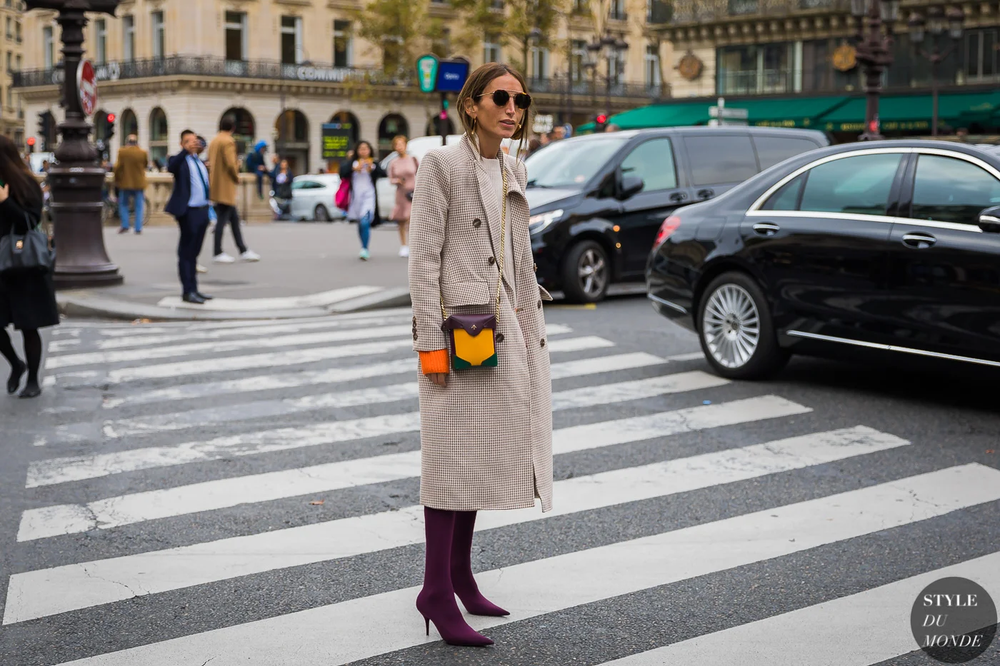
Balmain and the AI of Bold Statement-Making
Bold fashion demands pattern recognition. Which customers have purchased Balmain before? Which ones click on statement pieces but buy basics? AI systems identify users who *should* buy Balmain but haven't yet—and surfaces it strategically.
This is predictive behavioral targeting. The algorithm knows you're ready for drama before you do.
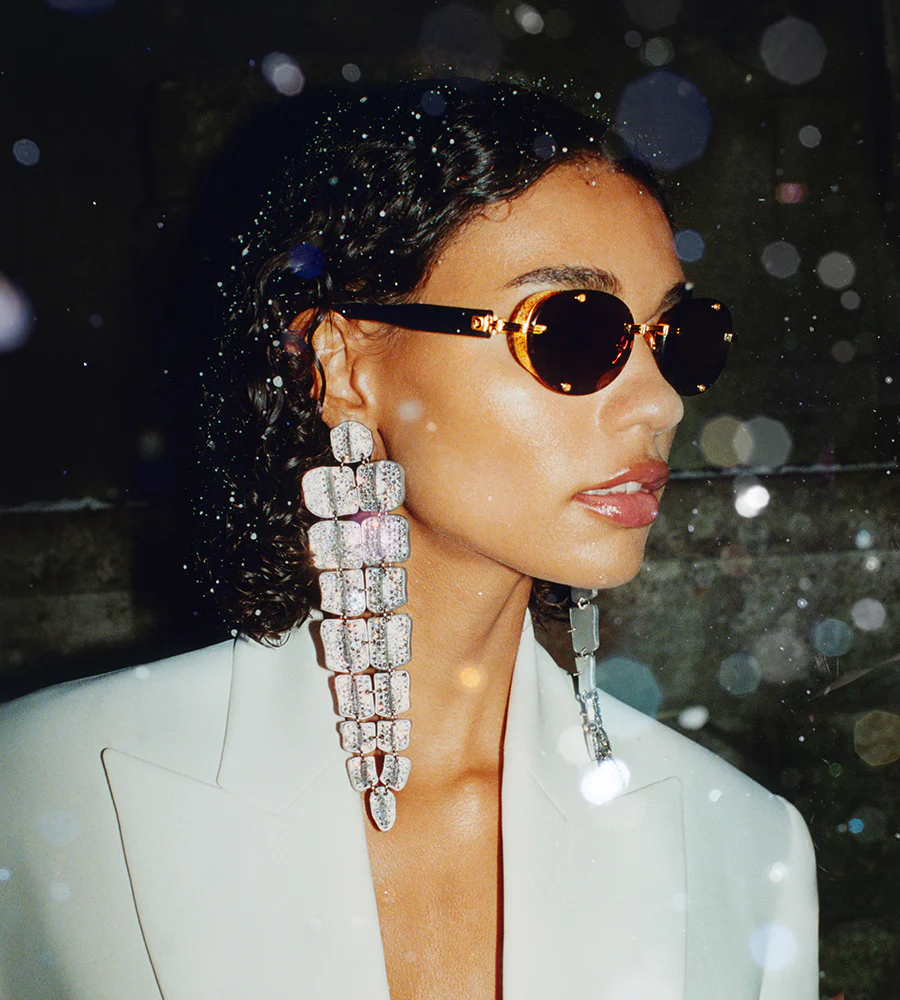
SLVRLAKE's Premium Basics: Automation Meets Everyday Wear
Elevated denim and designer basics are where AI recommendation engines really flex. These are repeat purchases—high-frequency transactions where algorithms learn fast. Automation identifies your preferred fits, washes, and price points within three purchases.
The system then triggers notifications when new inventory arrives. This is e-commerce automation reducing friction from discovery to checkout.

The Data Architecture Behind Luxury Personalization
Saks' recommendation system ingests data in real-time: clicks, views, cart additions, purchases, returns, price sensitivity, seasonal behavior, and cross-brand preferences. This gets fed into collaborative filtering models and content-based filtering algorithms.
Collaborative filtering asks: "Users similar to you bought X. You should too." Content-based filtering asks: "You like X-style items. Here's a new one that matches those attributes."
Both run simultaneously. Both optimize for conversion, not just engagement.
When Personal Shoppers Become AI Systems
The job market is shifting. Luxury retail still has human associates, but their role is changing. They're not curating collections anymore—they're implementing algorithmic recommendations and handling exceptions the AI missed.
Automation handles 80% of routine recommendations. Humans handle complex styling conversations and VIP relationships.
Privacy Concerns in Data-Driven Luxury Shopping
All this personalization requires heavy data collection. Saks collects first-party data (your account info, purchase history) and second-party data (partner sites). This fuels accuracy but raises legitimate privacy questions.
Smart shoppers should understand what data they're trading for algorithmic convenience. Personalization is powerful. It's also intrusive.
How to Shop Smarter Using AI Without Being Exploited
Clear your cookies strategically. Don't let one browse session dictate weeks of recommendations. Reset periodically to avoid algorithmic over-fitting.
Use wishlist features intentionally. Algorithms track wishlist behavior. Add items you genuinely want, not items to "test" the system.
Leverage comparison tools. AI systems highlight price variations across your browsing history. Use that data to negotiate or time purchases.
Read recommendation reasoning. Some platforms explain *why* they recommended something. That's valuable debugging information about your data profile.
Take advantage of personalized promotions strategically. AI targets discounts at users most likely to convert. If you're in that segment, buy strategically during those windows.
The Future: Generative AI in Luxury Retail
Current recommendation systems are predictive—they guess what you want based on historical patterns. Next-generation systems will be generative. They'll create personalized collections, suggest outfit combinations, and even simulate how Brunello Cucinelli pieces work with your existing wardrobe.
Generative AI will synthesize your style into entirely new curation frameworks. It won't just predict—it'll imagine.
Why Algorithms Beat Humans at Scale
A personal shopper at Saks might manage 200 clients. An algorithm manages millions. A human shopper has 8 hours of memory. An algorithm has eternal memory. A human shopper gets tired. An algorithm runs 24/7 without degradation.
This doesn't mean human stylists are obsolete—it means they're repositioned upmarket. The future of luxury retail is hybrid: AI handles mass personalization, humans handle ultra-premium VIP services.
Questions people actually ask about AI-powered luxury shopping:
Does Saks use AI for recommendations? Yes. Like all major e-commerce platforms, Saks uses machine learning recommendation engines. Exact specifics are proprietary, but they definitely employ collaborative filtering and behavioral segmentation.
Can I disable algorithmic recommendations? Partially. You can clear browsing data, adjust privacy settings, and opt out of behavioral tracking where available. But opting out degrades personalization quality—you'll see generic recommendations instead.
Is algorithmic curation better than a human personal shopper? At scale, yes. For niche edge cases or highly personalized relationships, human stylists still win. Most people get better results from AI-driven recommendations than they would navigating Saks manually.
How do algorithms know my style preferences? Through behavioral data: every product viewed, every purchase, price point sensitivity, color preferences, brand loyalty, seasonality, return patterns, and comparison shopping behavior. This builds a probabilistic model of your aesthetic.
Can I game the algorithm to find hidden deals? Sort of. If you browse similar items repeatedly, you'll surface more in that category. But algorithms are designed to resist manipulation. Fake engagement signals don't work long-term.
Will AI-driven shopping kill the luxury experience? No. It will democratize it. Instead of luxury requiring a $5,000/year personal shopper relationship, algorithms provide personalized curation at scale. The luxury experience becomes more accessible, not less.
What brands benefit most from algorithmic curation? Brands with diverse product ranges and strong repeat-purchase behavior. SLVRLAKE denim, Brunello Cucinelli basics, and Chloe seasonal drops all benefit because algorithms can predict future demand and surface inventory strategically.
How do I ensure algorithmic recommendations match my actual style? Train the system early. Engage consistently with brands and pieces you genuinely love. Rate recommendations when possible. Algorithms improve with feedback signal quality.
Is my shopping data being sold? Not directly. Major retailers like Saks don't typically sell individual shopping profiles. They use aggregated data for business intelligence and train recommendation models. But read their privacy policy—practices vary.
Can I see what data Saks has collected about me? Yes. Most major retailers offer data access through privacy requests under GDPR, CCPA, and similar regulations. Request your data file and review what's actually being tracked.
Related reading: Explore how recommendation algorithms are automating e-commerce, learn about behavioral data collection in retail, or dive into how generative AI is reshaping fashion discovery.