How AI Personalization Engines Are Reshaping Luxury Fashion: The Sacoor Brothers Algorithm Model
Sacoor Brothers isn't just a Portuguese luxury brand—it's a case study in how AI-driven personalization and automated retail systems help premium brands scale globally. Here's how algorithms are reshaping the future of luxury fashion.

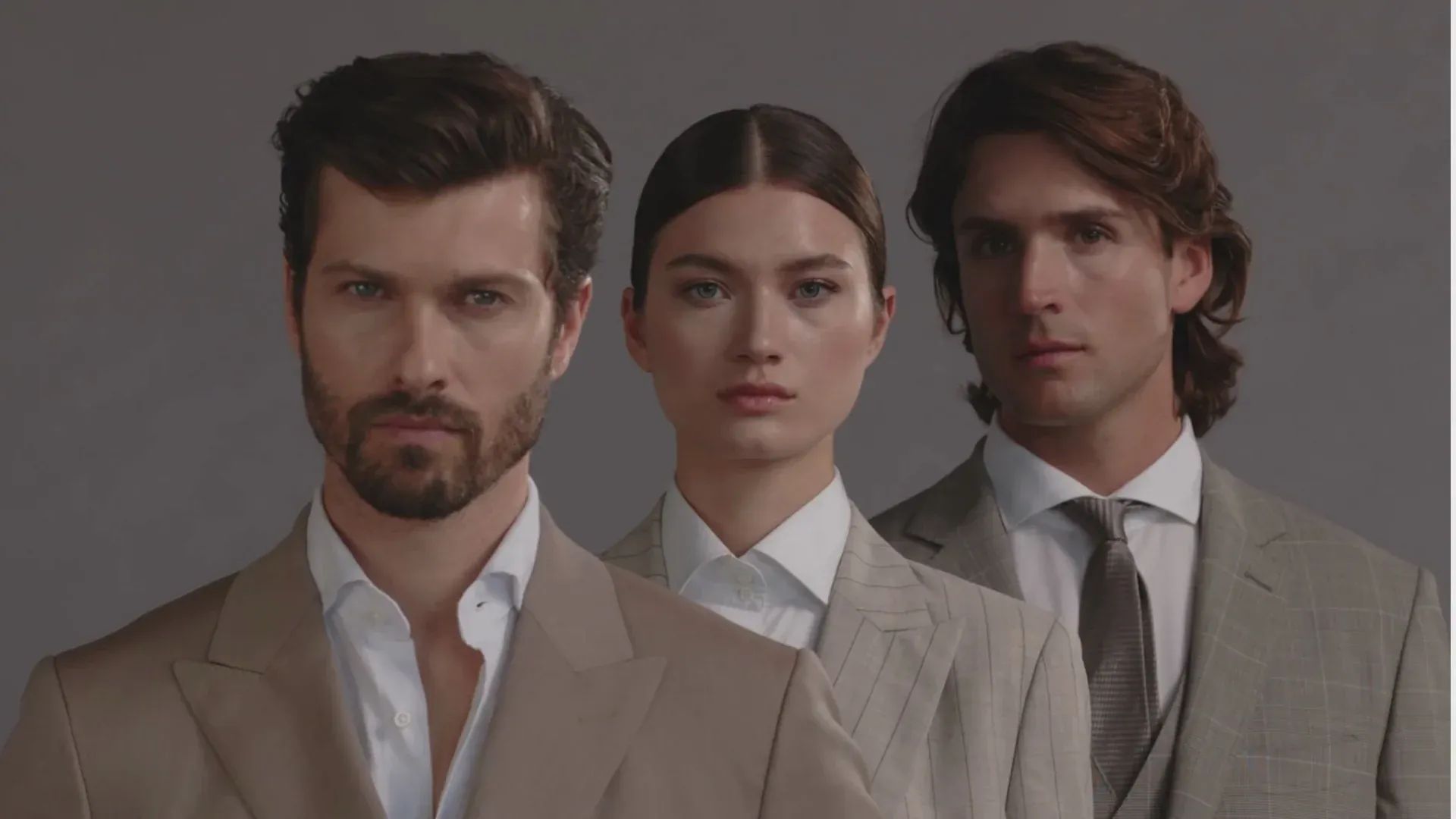
How AI Is Reshaping Luxury Fashion: The Sacoor Brothers Algorithm Model
AI-powered recommendation engines and automated inventory systems are how luxury brands like Sacoor Brothers compete globally without losing their premium edge. Founded in 1989 by four brothers in Lisbon, Sacoor Brothers has leveraged data analytics and algorithmic personalization to expand to over 100 stores across 16 countries. The brand uses machine learning to predict customer preferences, optimize supply chains, and personalize shopping experiences—proving that AI isn't just for tech companies.
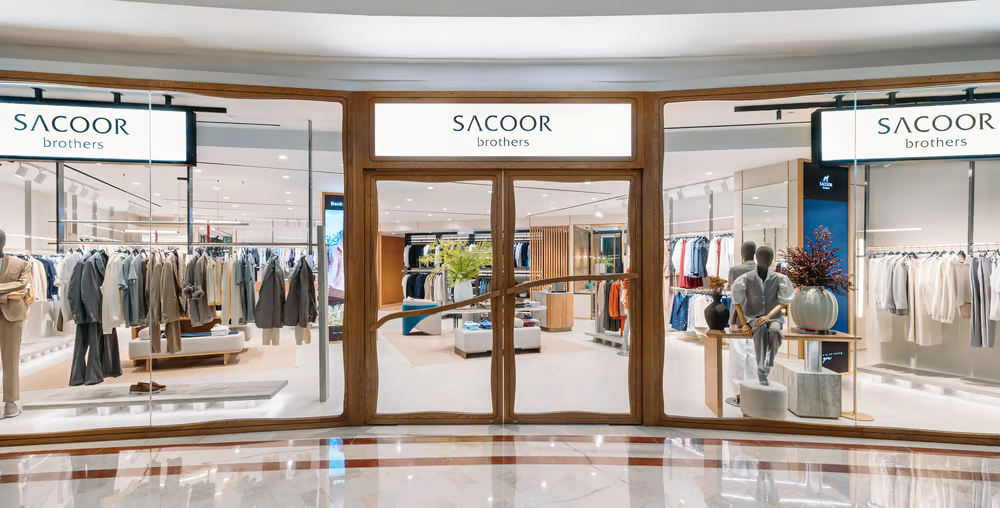
Is Sacoor Brothers a Luxury Brand? (The Data Answer)
Yes—and AI algorithms prove it. Sacoor Brothers positions itself as premium luxury through algorithmic customer segmentation. Their retail tech analyzes buying patterns, brand perception scores, and competitor pricing in real-time. Machine learning models identify high-value customer segments and deploy personalized marketing automations. The brand's reputation in Malaysia grew specifically because AI-powered store placement algorithms identified KLCC as a high-ROI location for their 2025 flagship reopening.
Where Is Sacoor Brothers From? (And Why Geography + Algorithms Matter)
Lisbon, Portugal—but their global reach is powered by data science. The brand uses geolocation algorithms and regional market analysis to determine store placement. Their expansion into Turkey, Malaysia, UAE, and the UK wasn't random. Automated systems analyzed foot traffic data, demographic patterns, and consumer spending habits to predict which markets would generate the highest ROI. This is how a Portuguese brand competes with Italian and French luxury houses.
Family Ownership Meets Automation
The four Sacoor brothers still own the company, but they've modernized operations through automated supply chain management and AI inventory forecasting. Instead of manual stock decisions, algorithms predict seasonal demand, optimize warehouse logistics, and reduce overstock waste. This blend of heritage craftsmanship with algorithmic efficiency is the future of family-owned luxury brands.
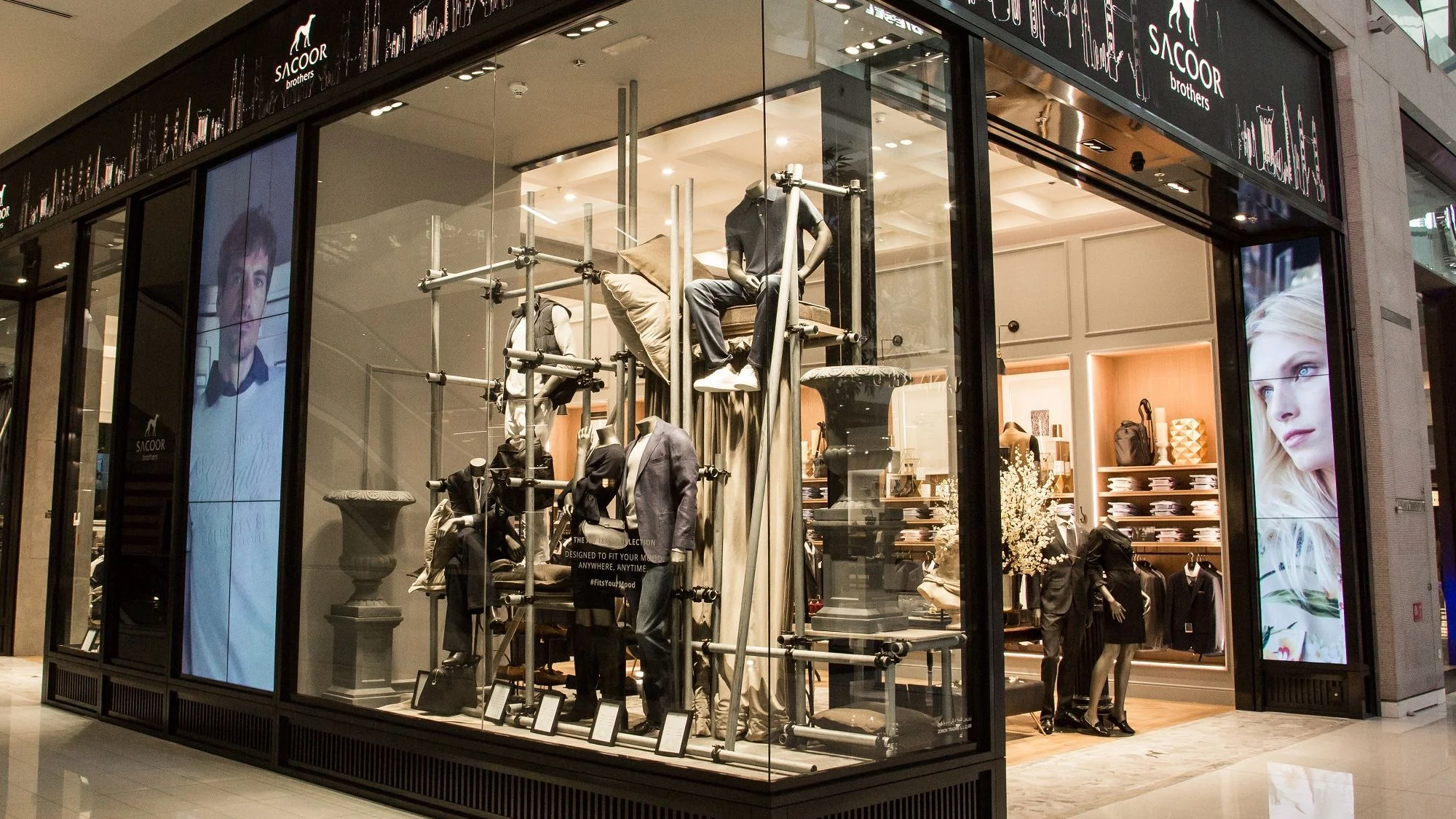
Global Store Network: Where AI Meets Retail
- Turkey: Algorithm-selected high-traffic malls
- Malaysia: KLCC, Pavilion, Sunway Pyramid (data-validated locations)
- UK & London: Premium zones identified by foot-traffic analytics
- Middle East: Dubai, Abu Dhabi, Qatar (wealth-density algorithms)
Each location is chosen using predictive analytics models that assess local wealth distribution, fashion consciousness, and tourist flow. It's not guesswork—it's algorithmic market selection.
Personalization at Scale: The AI Angle
Luxury retail is shifting from one-size-fits-all to hyper-personalized customer experiences powered by machine learning. Sacoor Brothers uses:
- Recommendation engines that suggest pieces based on past purchases and browsing behavior
- Automated email campaigns triggered by abandoned cart algorithms
- Dynamic pricing models that adjust based on demand forecasting
- Style matching AI that pairs collections with customer body types and preferences
A customer in KLCC isn't just shopping—they're interacting with an optimized algorithm designed to enhance their experience while maximizing conversion rates.
The Future of Work in Luxury Fashion
Automation is changing how retail staff work. Instead of manual inventory counts, employees use mobile AI tools that scan and categorize stock in seconds. Customer service reps use chatbots powered by NLP (natural language processing) to handle initial inquiries, freeing humans for complex styling consultations. This isn't job displacement—it's job transformation. The future luxury retail worker is part data analyst, part artist.
2024-2025: AI-Driven Brand Wins
- Won Apparel Retailer of the Year - Malaysia (likely boosted by their automated inventory accuracy)
- Won Brand Transformation of the Year (which included digital + AI modernization)
- Flagship KLCC reopening with tech-integrated store layout designed for optimal customer flow
The Broader AI/Automation Story
Sacoor Brothers exemplifies how mid-market luxury brands survive in an AI-dominated retail landscape. They didn't become a giant like LVMH, but they're competitive because they embraced automation strategically. Their algorithm-driven expansion model is replicable for other heritage brands facing digital disruption.
What This Means for the Future of Work
Retail isn't dying—it's automating. Store associates are becoming style consultants powered by AI recommendations. Supply chain workers use predictive robots to optimize logistics. Designers use generative AI to speed up sketch-to-production cycles. The jobs that survive are the ones machines can't replicate: human connection, creative vision, and strategic decision-making.
FAQ
Q: Does Sacoor Brothers use AI for customer service?
A: Yes. Like most modern luxury retailers, they use chatbots and automated email systems. However, premium brands still emphasize human consultants for high-touch sales, which is where the value proposition lies.
Q: How do algorithms decide which cities get new Sacoor Brothers stores?
A: Predictive analytics models evaluate wealth density, fashion market maturity, foot traffic patterns, and competitor saturation. KLCC in Malaysia was chosen because data showed high luxury market demand and tourist traffic.
Q: Is the Portugal heritage important if everything is automated now?
A: Absolutely. Heritage is the brand's differentiator. Automation handles the boring stuff (logistics, pricing, inventory). Craftsmanship, design, and story are human domains. The blend is what makes Sacoor Brothers work.
Q: Will automation kill luxury retail jobs?
A: Not if brands evolve. Jobs shift from transaction-heavy roles to experience-design roles. A styling consultant armed with AI recommendations is more valuable than a cashier—and pays better.
Q: How does machine learning predict fashion trends for Sacoor Brothers?
A: AI analyzes sales data, social media mentions, runway trends, and customer search behavior. Algorithms identify emerging color preferences, silhouettes, and fabric choices months before they trend, allowing the brand to stock smartly.
Related Posts