How AI Pet Translators Are Revolutionizing Animal Communication and the Future of Work
How AI Pet Translators Are Revolutionizing Animal Communication and the Future of Work
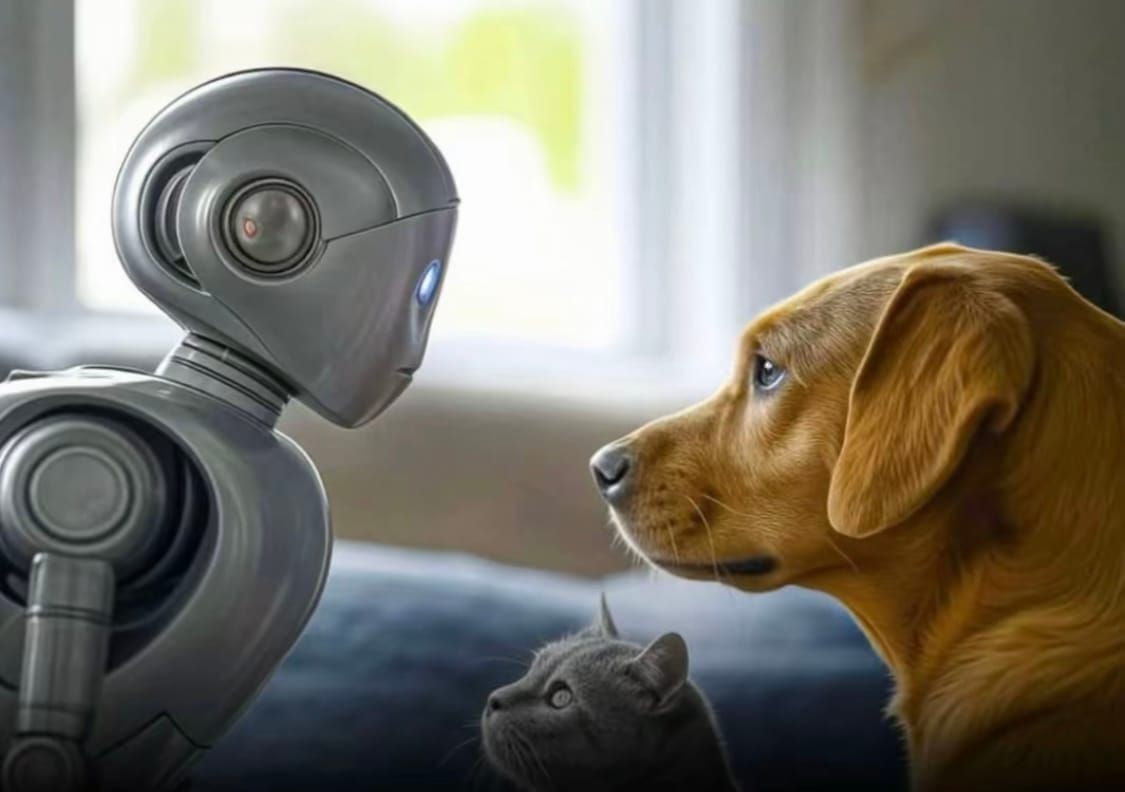
Imagine a world where your dog can tell you exactly why they're barking at the mailman, or your cat can explain why they knocked your coffee mug off the table. This isn't science fiction—it's the promise of AI pet translators, a rapidly evolving technology that uses machine learning to decode animal vocalizations and body language. As these tools become more sophisticated, they're not only changing how we interact with our pets but also reshaping the future of work for veterinarians, animal behaviorists, and pet care professionals.
The concept of animal communication AI has been around for decades, but recent advances in deep learning and natural language processing have brought it closer to reality. Companies like PetTalk AI and Animal Language Lab are developing apps that analyze barks, meows, and even tail wags to provide real-time translations. While still in early stages, these tools are already being used in veterinary clinics to assess pain levels and emotional states in animals, potentially automating parts of the diagnostic process.
But the implications go beyond pet ownership. As AI-driven pet communication becomes mainstream, it could automate tasks traditionally done by animal behaviorists, leading to a shift in the future of work for those in animal-related fields. Veterinarians might rely on AI for initial assessments, while pet sitters and trainers could use apps to understand animal needs without years of experience. This raises questions about job displacement, but also opportunities for new roles in AI ethics, data annotation, and pet tech support.
Advertisement
Sponsored Content: Discover the latest in pet tech at YEET Pet Tech Reviews
One of the most exciting developments is the use of machine learning for pet behavior analysis. By training models on thousands of hours of animal sounds and videos, researchers can identify patterns that humans might miss. For example, a study from the University of California found that AI could distinguish between a dog's playful bark and an aggressive one with 92% accuracy. This kind of AI pet translator technology could eventually be integrated into smart collars or home assistants, providing real-time feedback to owners.
However, the technology is not without controversy. Critics argue that animal communication AI oversimplifies complex emotional states and risks anthropomorphizing animals. There are also privacy concerns—if your pet's data is being recorded and analyzed, who owns that information? As with any AI in veterinary medicine, ethical guidelines are still catching up with the technology.
From a future of work perspective, the rise of pet translation apps could democratize animal care. Small clinics that can't afford a full-time behaviorist might use AI tools to offer better services. Meanwhile, large pet corporations could automate customer support, using AI to interpret pet behavior from video calls. This could lead to a new gig economy for pet communication specialists who review AI translations and provide human oversight.
Advertisement
Check out our guide to the best AI tools for pet owners at YEET AI Pet Tools
Another angle is the impact on animal welfare. If AI can accurately detect pain or distress, it could revolutionize how we care for animals in shelters, farms, and laboratories. For instance, AI pet translators could be used to monitor livestock for signs of illness, reducing the need for human observation and potentially improving animal welfare standards. This aligns with the growing trend of precision livestock farming, where data-driven decisions replace traditional methods.
But the road to widespread adoption is bumpy. Current pet communication devices are often expensive and require extensive training data for each species. Startups are racing to create universal translators, but the complexity of animal communication—which includes scent, posture, and context—means that AI pet translators may never be 100% accurate. Still, even partial understanding could deepen the bond between humans and animals.
As we look to the future, the future of work in animal care will likely involve a hybrid model: humans and AI working together. Veterinarians might use AI-driven pet communication as a diagnostic tool, while behaviorists focus on complex cases. Pet owners could use apps to understand basic needs, freeing up professionals for more nuanced work. This shift will require new skills, such as data literacy and AI ethics, for those entering the field.
For those interested in the future of work, the pet tech industry offers a fascinating case study. As AI pet translators evolve, they will create new job categories while making others obsolete. The key will be to embrace lifelong learning and adapt to the changing landscape. Whether you're a veterinarian, a pet sitter, or a tech entrepreneur, understanding animal communication AI will be a valuable skill in the coming decade.
In conclusion, AI pet translators are more than a novelty—they are a glimpse into a future where technology bridges the gap between species. As we navigate the ethical, practical, and workforce implications, one thing is clear: the way we communicate with our pets is about to change forever. And with it, the future of work for everyone involved in animal care.
Advertisement
Learn more about the impact of AI on veterinary jobs at YEET AI in Veterinary Medicine
How do AI pet translators actually work?
AI pet translators use machine learning algorithms trained on large datasets of animal sounds and behaviors. These models learn to associate specific vocalizations or movements with emotional states or needs. For example, a high-pitched bark might be linked to excitement, while a low growl indicates aggression. The technology is still evolving, but early versions are already available as smartphone apps.
What are the ethical concerns with animal communication AI?
Ethical concerns include the risk of anthropomorphism, privacy issues related to pet data, and the potential for misinterpretation. Critics worry that AI pet translators could lead to over-reliance on technology, reducing human intuition in animal care. There are also questions about consent—can an animal truly consent to having its communications analyzed?
Will AI pet translators replace veterinarians and behaviorists?
While AI pet translators can automate some diagnostic tasks, they are unlikely to replace professionals entirely. Instead, they will augment human expertise, allowing veterinarians and behaviorists to focus on complex cases. The future of work in animal care will involve collaboration between humans and AI, with new roles emerging in data analysis and AI oversight.
How accurate are current pet translation apps?
Current pet translation apps have varying accuracy, typically ranging from 70% to 90% for basic emotional states. However, they struggle with nuanced communication and context. Researchers are working to improve accuracy by incorporating multimodal data, such as video and audio, but a perfect translation remains elusive.
What does the future hold for AI in pet care and the workforce?
The future of AI in pet care includes smarter collars, home assistants, and telemedicine tools. For the workforce, this means new jobs in AI training, pet tech support, and ethical oversight. The future of work will require adaptability, as routine tasks become automated and new opportunities arise in the pet tech ecosystem.
Context Box: The global pet tech market is expected to reach $20 billion by 2030, with AI-driven communication tools being a major growth area. As these technologies mature, they will impact not only pet owners but also the broader future of work in veterinary medicine, animal behavior, and pet services.
For further reading, check out our articles on AI in Veterinary Medicine, Future of Work and Automation, Pet Tech Innovations, Machine Learning in Animal Behavior, and Ethical AI for Pets.
Casey Wong is a staff writer at YEET Magazine who covers entertainment AI, streaming algorithms, and celebrity tech.