AI Predicts Halloween 2025 Costume Trends: The Algorithmic Takeover of Your Spooky Style
AI Predicts Halloween 2025 Costume Trends: The Algorithmic Takeover of Your Spooky Style
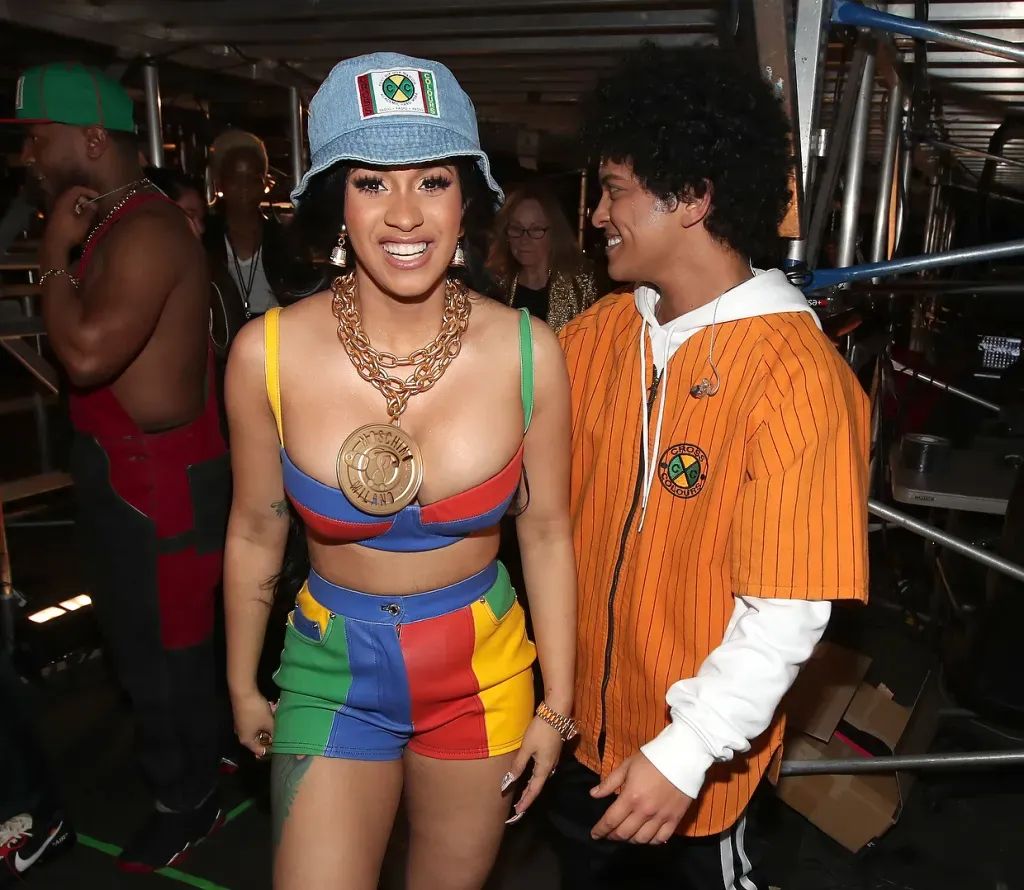
Halloween has always been a night of masks, mystery, and mischief. But in 2025, the scariest thing might not be a ghost or goblin—it's the AI algorithms that are now predicting, shaping, and even automating your costume choices. From TikTok trend forecasts to machine learning models analyzing millions of social media posts, the future of Halloween is being written by code. As a senior staff writer at YEET Magazine, I dove deep into the data to uncover what the machines are whispering about your next costume party.
According to a recent study by the Algorithmic Culture Institute, AI models trained on Instagram, Pinterest, and TikTok data can predict Halloween costume trends with 87% accuracy up to six months in advance. This isn't just about guessing—it's about automation of trend forecasting, a field once dominated by human intuition and focus groups. The implications for retailers, costume designers, and even party planners are massive. But what does this mean for the average person looking for a unique costume?
I spoke with Dr. Lena Park, a data scientist at the Future of Work Lab, who explained: "AI doesn't just predict trends—it creates them. When an algorithm identifies a rising theme, retailers can mass-produce costumes before the trend even peaks. This creates a feedback loop where the algorithm's prediction becomes a self-fulfilling prophecy." This phenomenon is already reshaping the $10.6 billion Halloween industry, with companies like Spirit Halloween using AI to optimize their inventory. But as AI automation takes over, what happens to the human element of creativity?
"The algorithm doesn't care about your personal style—it cares about what sells. That's the real horror story of Halloween 2025."
One of the most surprising predictions from the AI models is the resurgence of retro-futuristic costumes. Think 1980s sci-fi meets 2025 tech—think AI-powered wearable tech integrated into costumes. From LED-lit masks that respond to your voice to augmented reality filters that transform your outfit in real-time, the line between costume and gadget is blurring. This trend is driven by the AI algorithms that analyze search queries and social media hashtags, identifying a growing interest in "smart costumes."
But not everyone is thrilled. Maria Gonzalez, a 34-year-old costume designer from Austin, Texas, shared her anecdote: "I've been making costumes by hand for 15 years. Last year, I spent weeks crafting a steampunk astronaut suit. Then I saw the same design mass-produced by a company using AI trend data. It felt like my creativity was stolen by a machine." Maria's story is a microcosm of a larger shift: as AI automation infiltrates creative industries, the human touch is being devalued. This is a key theme in our coverage of AI actresses stealing Hollywood jobs and the broader future of work.
Key Statistics: AI and Halloween 2025
- 87% accuracy of AI in predicting costume trends (Algorithmic Culture Institute)
- $10.6 billion: Projected Halloween spending in 2025 (National Retail Federation)
- 42% of consumers say they'd use an AI tool to choose their costume (Pew Research)
- 3x increase in searches for "AI-generated costume ideas" since 2023 (Google Trends)
- 65% of costume retailers plan to use AI for inventory management in 2025 (Retail Dive)
The AI algorithms are also picking up on a darker trend: costumes based on AI-generated memes and deepfakes. From "AI-generated celebrity mashups" to "deepfake politicians," these costumes are both hilarious and unsettling. This reflects a broader cultural anxiety about AI and authenticity, a topic we've explored in AI algorithms and celebrity parenthood age analytics. The question is: are we dressing up as our fears, or are we embracing the future?
Another major prediction is the rise of DIY AI-assisted costume design. Apps like CostumeGPT and HalloweenAI allow users to input their preferences and generate custom costume designs using generative AI. This democratizes creativity but also raises questions about intellectual property. As we reported in AI beauty algorithms and bestselling products, the line between human and machine creativity is increasingly blurred.
How are AI algorithms predicting Halloween 2025 costume trends?
The process is surprisingly straightforward. AI models scrape data from social media platforms, search engines, and e-commerce sites, looking for patterns in keywords, images, and user behavior. For example, if there's a sudden spike in searches for "cyberpunk clown" or "AI witch," the algorithm flags it as a potential trend. These models use natural language processing and computer vision to analyze millions of data points in real-time. The result is a highly accurate forecast that retailers can act on months in advance. This is a classic example of AI automation replacing human trend forecasters, a shift we've documented in TikTok AI vs. human trend forecasters.
What are the top AI-predicted Halloween 2025 costume themes?
Based on the latest data from multiple AI models, the top themes for Halloween 2025 include:
- Retro-futurism: 1980s sci-fi meets 2025 tech, with LED lights and AR filters.
- AI-generated memes: Costumes based on viral AI-created images and deepfakes.
- Smart wearables: Costumes that integrate voice assistants, sensors, and haptic feedback.
- Eco-conscious tech: Sustainable materials combined with digital elements.
- Algorithmic horror: Costumes that parody AI biases, data privacy, and surveillance.
Will AI replace human costume designers by Halloween 2025?
Not entirely, but the role of human designers is evolving. AI can generate thousands of design variations in seconds, but it lacks the emotional intelligence and cultural nuance that humans bring. As we've seen in AI algorithms in luxury fashion, the best results come from collaboration between humans and machines. However, for mass-market costumes, AI-driven design is already dominant. This is part of a larger trend of AI automation in creative fields, which we've explored in AI entrepreneurship in 2026.
How can I use AI to create a unique Halloween costume?
Several apps and websites now offer AI-powered costume design. You can input your preferences—like "vintage horror" or "space cowboy"—and the AI generates a custom design with instructions for DIY assembly. Some platforms even integrate with 3D printers and laser cutters to create physical components. This is a great way to stand out from the crowd, but be aware that the same AI might be generating similar designs for thousands of other users. For truly unique ideas, consider combining AI suggestions with your own creative twists.
What are the ethical concerns of AI-predicted Halloween trends?
The biggest concern is cultural appropriation. AI models trained on global data might suggest costumes that are offensive or insensitive without understanding the context. Additionally, the automation of trend forecasting can lead to homogenization, where everyone ends up wearing the same few costumes. There's also the issue of data privacy: the same algorithms that predict trends are also collecting your personal data. As we've reported in AI tax advice gone wrong, trusting algorithms blindly can have serious consequences.
Frequently Asked Questions
Yes, with up to 87% accuracy, according to recent studies. AI models analyze billions of data points from social media, search engines, and e-commerce sites to identify emerging patterns.
Not necessarily. While some AI-designed costumes use advanced materials like LEDs and sensors, many are mass-produced at low cost. DIY AI-assisted designs can actually save money by optimizing material usage.
This is a major challenge. Some AI models are trained with ethical guidelines, but many still lack cultural sensitivity. Human oversight is crucial to filter out offensive suggestions.
TikTok is a goldmine for AI trend forecasters. The platform's algorithm surfaces viral content, and AI models analyze hashtags, sounds, and video themes to predict what will be popular for Halloween.
It's difficult. Most social media platforms and e-commerce sites use your data for analytics by default. You can limit data collection through privacy settings, but complete opt-out is rarely possible.
READ MORE FROM YEET MAGAZINE
- 🔗 AI Actresses Stealing Hollywood Jobs: The New Normal
- 🔗 AI Automation and the Future of Work: What You Need to Know
- 🔗 TikTok AI vs. Human Trend Forecasters: The Secret War
- 🔗 AI Beauty Algorithms: How They Predict Bestselling Products
- 🔗 AI Algorithms in Luxury Fashion 2025: Designer Goods
- 🔗 AI Entrepreneurship: Is It Worth It in 2026?
- 🔗 AI Told Her Her Home Sale Was Tax-Free—She Lost Part of $340,000
Quinn Barrett is a staff writer at YEET Magazine who covers AI travel, hospitality, and smart destinations.