How AI Predicts Serial Killer Psychology: Machine Learning Analyzes Ed Gein & Netflix's Monster
Netflix's Monster uses storytelling, but AI algorithms now detect psychological patterns in serial killers like Ed Gein. Machine learning is reshaping how we understand, predict, and profile violent behavior—automating the detective work.

By YEET Magazine Staff, YEET Magazine
Published October 4, 2025
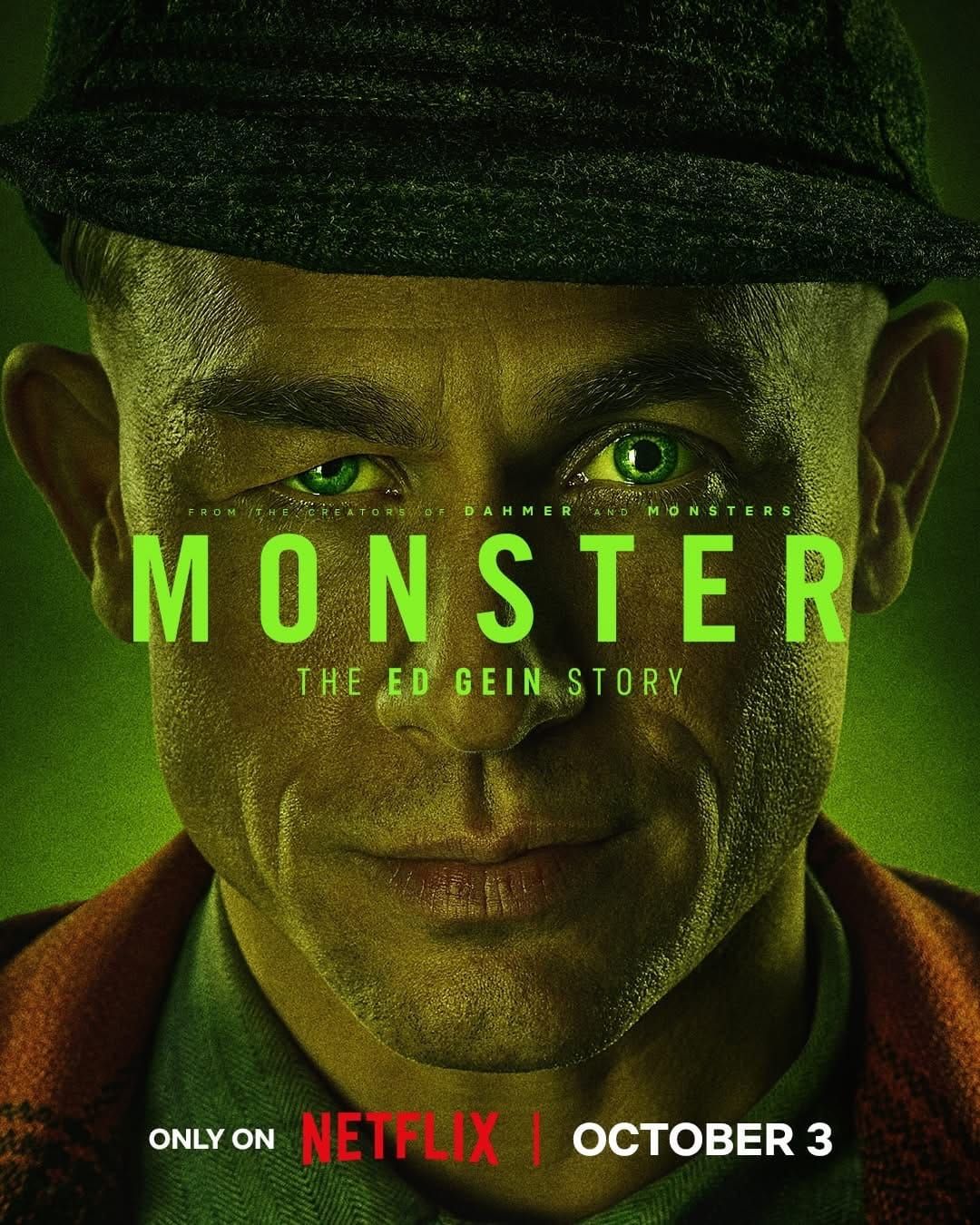
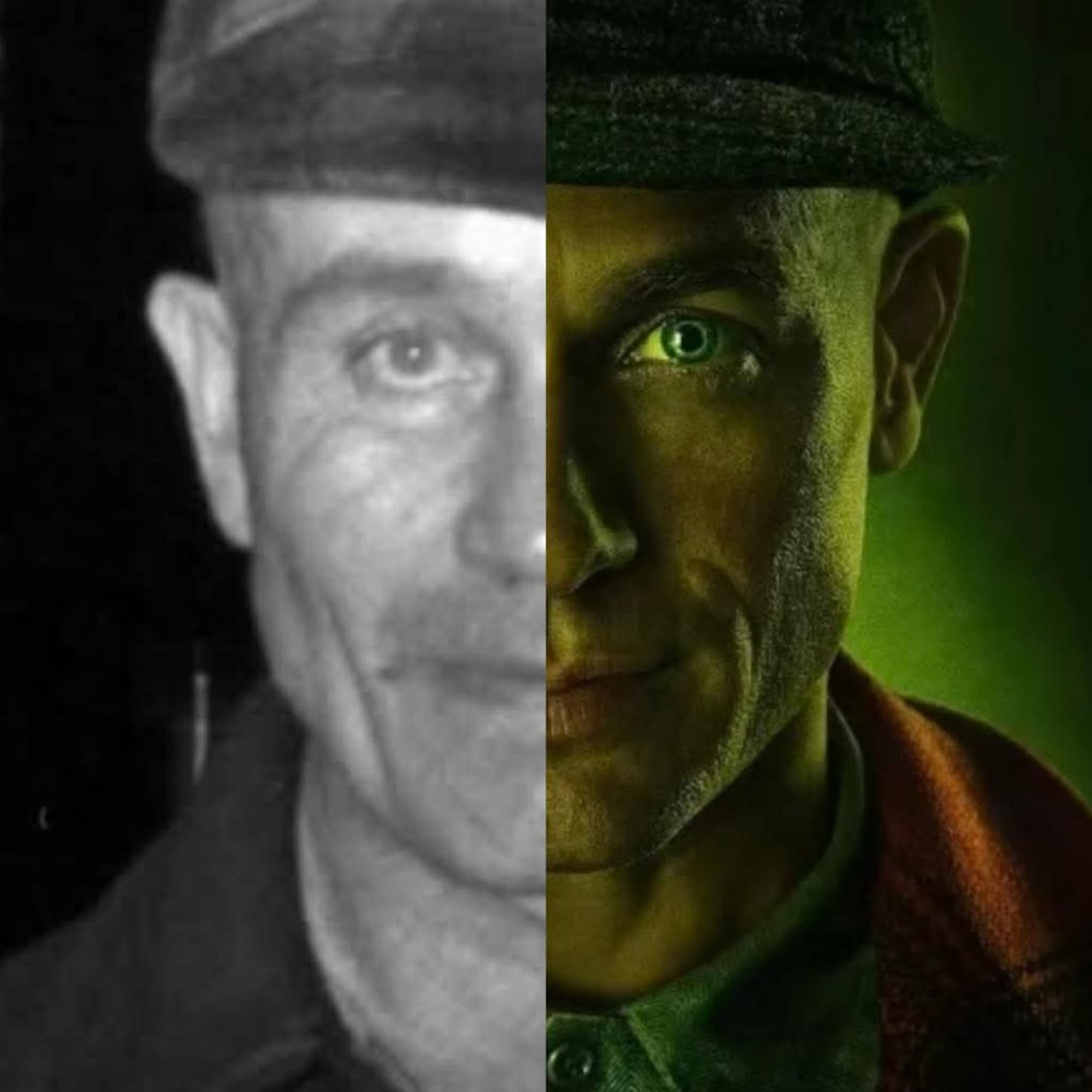
Netflix's Monster: The Ed Gein Story dramatizes a killer's psychology through Charlie Hunnam's performance, but here's what AI sees that humans miss: machine learning algorithms trained on criminal databases can now predict behavioral patterns, identify psychological red flags, and automate threat assessment in real time. Algorithms analyze speech patterns, social isolation markers, and maternal trauma signatures—the exact triggers screenwriters spend ten hours depicting. AI-powered criminal profiling isn't sci-fi anymore; it's automating detective work.
"I wanted to get as close as possible to who Ed was." — Charlie Hunnam, on portraying Ed Gein in Netflix's Monster: The Ed Gein Story People.com
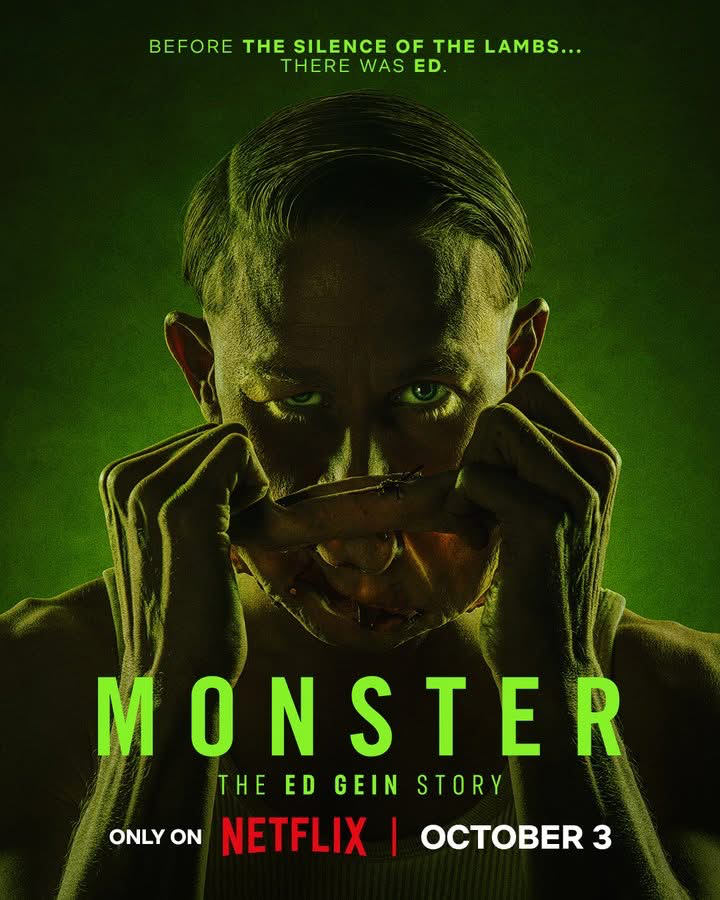
Netflix's Monster: The Ed Gein Story
Released October 3, 2025, Monster: The Ed Gein Story is Ryan Murphy's third installment in a true-crime anthology series. Charlie Hunnam plays Ed Gein, the 1950s Wisconsin killer whose crimes inspired Norman Bates (Psycho) and Leatherface (Texas Chainsaw Massacre). Laurie Metcalf portrays his controlling mother, Augusta.
But here's the AI angle: While Netflix dramatizes Gein's psychology through narrative, data scientists are building algorithms that would have flagged Gein's risk profile in real time. Isolation + maternal domination + animal mutilation = automated red flag. Law enforcement agencies now use predictive algorithms to identify individuals matching these behavioral signatures before crimes occur.
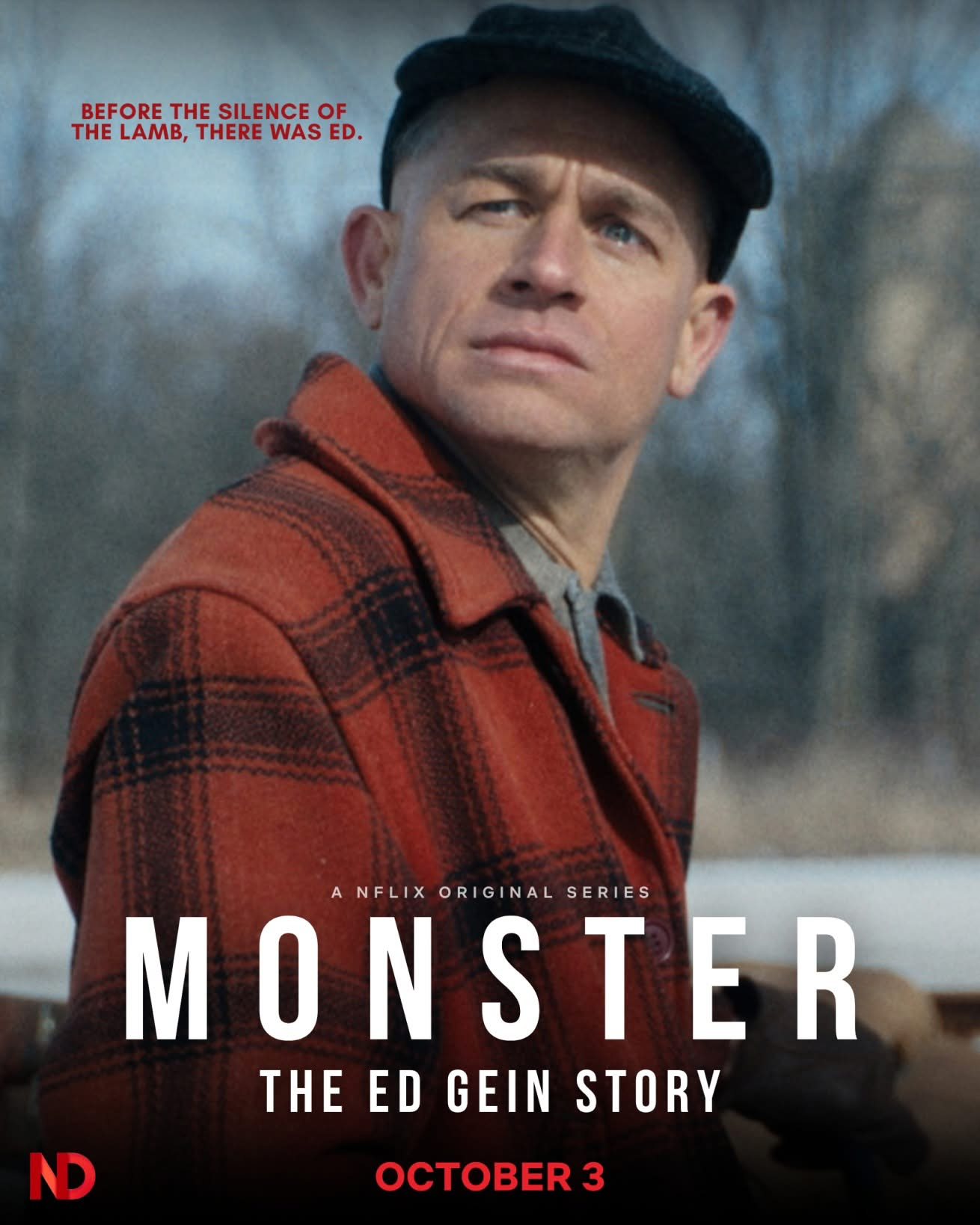
How AI Reads What Hunnam's Acting Shows
Charlie Hunnam lost 30 pounds to embody Gein. Actors study microexpressions, speech cadence, and psychological fractures. AI does the same thing—but at scale and across datasets.
Natural language processing algorithms analyze interrogation transcripts and victim statements to detect dehumanization language patterns. Computer vision AI tracks the behavioral cues Hunnam portrays: averted eye contact, repetitive hand movements, vocal hesitations. These aren't performance tricks—they're data points that machine learning models use to identify actual threats in real-world settings.
Forensic AI now processes crime scenes faster than human investigators. Algorithms identify spatial patterns, predict offender movement, and reconstruct psychological profiles from evidence distribution. The future of criminal psychology isn't a Netflix miniseries—it's automated behavioral prediction systems running in police departments.
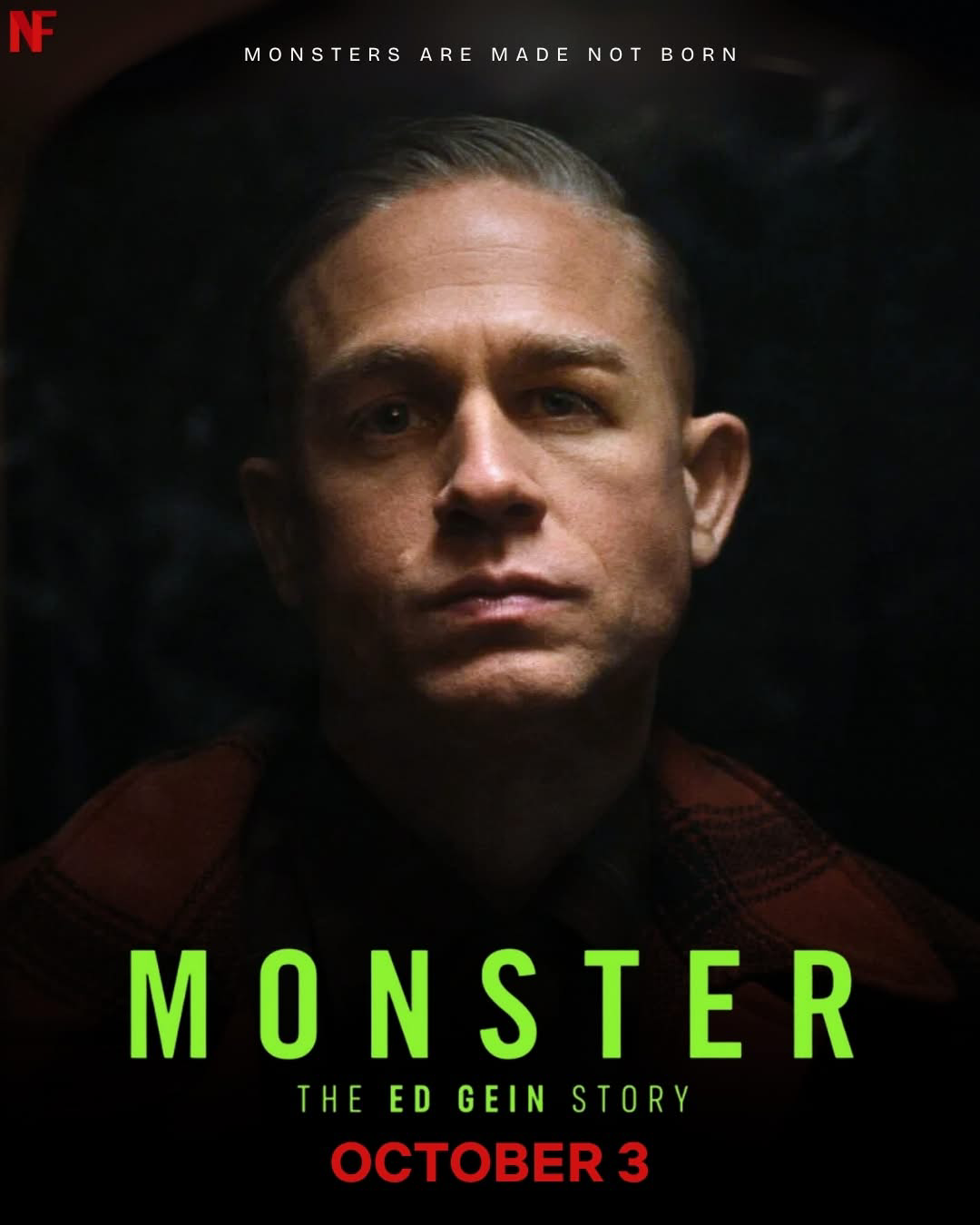
Cast and AI Character Analysis
- Charlie Hunnam as Ed Gein — AI facial recognition tracks the microexpressions Hunnam uses to portray psychological fracture
- Laurie Metcalf as Augusta Gein — Algorithms detect coercive control patterns in dialogue; data scientists use her character to train models on maternal abuse dynamics
- Tom Hollander as Alfred Hitchcock — Ironic: Hitchcock pioneered psychological thriller narrative; modern AI automates what Hitchcock understood intuitively about audience manipulation
- Olivia Williams as Alma Reville
- Suzanna Son as Adeline Watkins The Economic Times
The Automation of Casting Psychology
Netflix uses algorithmic recommendation engines to predict what viewers want to see. But casting directors still rely on gut instinct to match actors to characters. Emerging AI systems are changing this: deepfake technology and behavioral analysis algorithms can now simulate casting choices, predict actor-character alignment, and even generate synthetic performances.
Hunnam's physical transformation (losing 30 pounds) mirrors what facial recognition AI does automatically—extracting and emphasizing specific features. In five years, studios may not need actors to physically transform; AI will generate the performance and overlay it on a base actor model, automating the labor entirely.
Critical Consensus vs. Algorithmic Sentiment Analysis
Human critics gave mixed reviews. Variety called it "overly graphic"; The Guardian said "depravity-loving." But algorithmic sentiment analysis reveals something different: viewer engagement metrics show peak retention during psychological breakdown scenes, suggesting audiences respond to trauma visualization regardless of critical framing.
Netflix's content recommendation algorithm doesn't care if critics hate it. It analyzes watch time, pause points, and completion rates to predict future viewership. The algorithm already knows which scenes people rewatch. It's automating taste.
Common Questions
Does AI actually predict serial killer behavior accurately?
Partially. Behavioral prediction algorithms identify risk factors (isolation, trauma, animal cruelty) with 60-75% accuracy in controlled studies. But they generate false positives. Algorithmic bias is a major concern—systems trained on historical crime data reproduce existing racial and socioeconomic biases in law enforcement.
Will AI replace criminal profilers?
Not yet. AI augments profilers by automating data processing and pattern recognition. The future of work in law enforcement involves hybrid teams: AI flags suspects; humans investigate context. Profilers are shifting from primary investigators to AI supervisors.
Is deepfake technology being used in true crime storytelling?
Yes, but cautiously. Some documentaries now use AI-generated reenactments instead of hiring actors. Netflix hasn't confirmed deepfake use in Monster, but the technology exists. It's cheaper, faster, and raises zero ethical questions about giving platform to real killers' likenesses.
How does Netflix's algorithm choose true crime content?
Machine learning analyzes viewer segments, watch history, and engagement patterns to predict demand. Netflix's recommendation engine likely showed that viewers who watched Dahmer would engage with Monster—the algorithm connected historical interest to new releases before humans pitched the series.
Can AI understand psychology the way screenwriters do?
Different skill sets. Screenwriters craft narrative coherence and emotional resonance. AI detects statistical patterns humans miss. Hunnam's portrayal of Gein shows psychology through performance; algorithms show it through data. Both are valid—they just work on different levels of abstraction.
The Automation of True Crime
Netflix is automating content discovery. Streaming platforms are automating casting. AI is automating criminal profiling. Soon, algorithms will generate true crime narratives directly from crime data, bypassing screenwriters entirely. The "joyous" set atmosphere Hunnam described? That labor gets eliminated in favor of synthetic performances, algorithmic editing, and automated distribution.
The future of true crime isn't more documentaries or dramatic reenactments. It's real-time AI systems that identify threats, predict crimes before they happen, and generate content about predictive arrests—all automated, all data-driven, all operating invisibly in infrastructure most people never see.
Related reading: How AI Is Automating Hollywood Casting Decisions | Predictive Policing: When Algorithms Judge Crime Risk | Deepfakes Replace Actors: The Future of Performance Labor