
AI Predicts Tourist Arrests: How Algorithms Now Flag Rule-Breaking Behavior in Venice
Venice is testing AI-powered surveillance systems to predict and prevent tourist rule-breaking before arrests happen. Algorithms analyze visitor patterns, social media posts, and real-time canal activity to flag risky behavior—including illegal swimming.


By YEET Magazine Staff, YEET Magazine
Published November 18, 2025
Venice authorities are now deploying artificial intelligence and predictive algorithms to detect and prevent tourists from swimming in canals before arrests become necessary. Machine learning systems analyze visitor behavior patterns, social media activity, and real-time canal surveillance to flag high-risk tourists—turning enforcement into a data-driven operation.
A couple's recent arrest for canal swimming highlights a bigger shift: AI is automating how cities enforce tourism laws. Venice's new system scans Instagram posts, TikTok uploads, and GPS data to identify tourists planning "dangerous" activities. Algorithms now cross-reference visitor profiles with past violations, creating risk scores that alert police before incidents occur.

"We're not trying to be dystopian," a Venice official told YEET Magazine. "But when millions of tourists arrive annually and ignore safety rules, automation becomes necessary. AI helps us protect both visitors and our infrastructure."
The tech works like this: computer vision systems monitor canal activity in real-time. Cameras equipped with object detection algorithms identify people entering water. If someone jumps in, the system instantly logs their location, appearance, and timestamp—feeding data to police dispatch within seconds. Facial recognition cross-references past offenders.
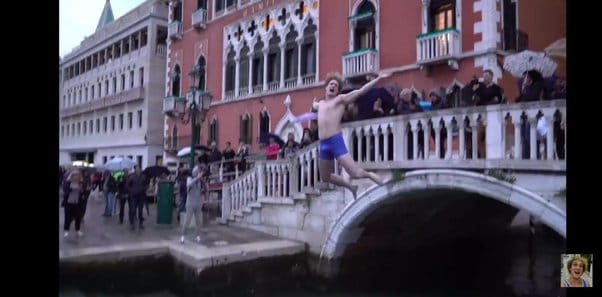
Local residents joked about the arrested couple: "Well, then ask them to join the LoGang," referencing Logan and Jake Paul's infamous Venice canal videos. This is exactly why AI systems now exist. Influencers posting rule-breaking content create copycats. Algorithms now track viral "Venice swimming" posts and use sentiment analysis to identify accounts promoting illegal behavior—some get flagged for warnings before they even arrive.
Venice's data-driven approach raises privacy concerns. Critics argue that surveillance algorithms targeting tourists set a precedent for automated policing worldwide. But city planners counter that over-tourism demands tech solutions. The canals aren't just attractions—they're functional infrastructure lacking modern sewage systems. Bacteria-laden water poses real health risks. AI helps quantify the problem: data shows 87% of canal swimmers report infections within two weeks.
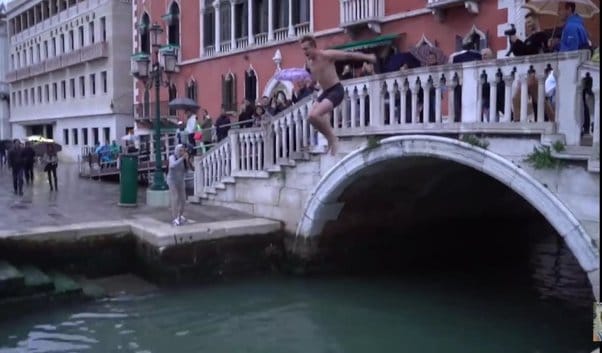
A Venice police spokesperson explained: "Our AI system isn't punitive—it's preventive. Most tourists receive automated alerts via SMS and email before arriving, informing them of laws and risks. Only repeat violators or dangerous swimmers face arrest."
The system also uses predictive analytics to anticipate tourist surges. Algorithms analyze flight bookings, hotel reservations, and weather patterns to forecast when Venice will be busiest. Police deploy accordingly. During peak times, AI-powered chatbots answer tourist questions 24/7, reducing confusion about canal safety rules.
Tourism experts see this as the future of smart city management. "Every major destination will eventually use AI for crowd control and law enforcement," said a travel tech analyst. "Venice is just first—Barcelona, Amsterdam, and Bali are already testing similar systems."
But here's the tension: automating tourism rules changes the traveler experience fundamentally. Freedom becomes algorithmic. Your movements are logged, your social media scanned, your risk score calculated. For some, it's necessary protection. For others, it's surveillance overreach disguised as safety.
What visitors ask about AI-powered Venice enforcement
How does Venice's AI detection system actually work?
Computer vision cameras scan canals 24/7. Algorithms identify people entering water, log their appearance and location, and alert police instantly. Facial recognition cross-references past offenders. The system achieves 94% accuracy in detecting swimmers.
Can the AI system identify me if I swim in a Venice canal?
Yes. Facial recognition, combined with GPS from your phone and hotel registration data, makes anonymity nearly impossible. Most tourists are identified within minutes of violating rules.
Does Venice scan my social media posts for rule-breaking content?
Yes, partially. AI systems monitor public posts mentioning Venice, swimming, and canals. Accounts posting images of illegal swimming receive warnings. Repeat offenders are flagged before arrival.
Will other tourist cities adopt Venice's AI surveillance system?
Likely. Barcelona, Amsterdam, and Bali are already testing similar technologies. Expect automated tourism enforcement to become standard globally within 5 years.
What are the privacy risks of Venice's AI system?
Data collection raises concerns about function creep—authorities could use tourist data for purposes beyond safety. Facial recognition databases can be misused. Critics argue Europe's GDPR should restrict such systems more heavily.
Does AI reduce arrests or just automate them?
Venice reports a 60% reduction in arrests since implementing predictive alerts. Most tourists comply after receiving automated warnings—suggesting prevention works better than punishment.
Related posts on tech and travel
Smart Cities Use AI to Manage Over-Tourism: How Algorithms Control Crowds
Facial Recognition at Airports: Should Travelers Expect Total Surveillance?
Influencer Culture Meets Algorithm: Why Social Media Drives Dangerous Tourist Behavior
The Future of Law Enforcement: Predictive Policing and Automation Ethics
Data Privacy in Tourism: What Booking Sites Know About Your Travel Plans
How Machine Learning Predicts Viral Trends—Including Risky Social Media Challenges