How AI Robot Dogs Are Reshaping Community Care: Meet Waldog
Waldog, an AI-powered robot dog in Monterrey, proves that automation can serve compassion. He's changing how communities engage with animal welfare through data collection and human connection.

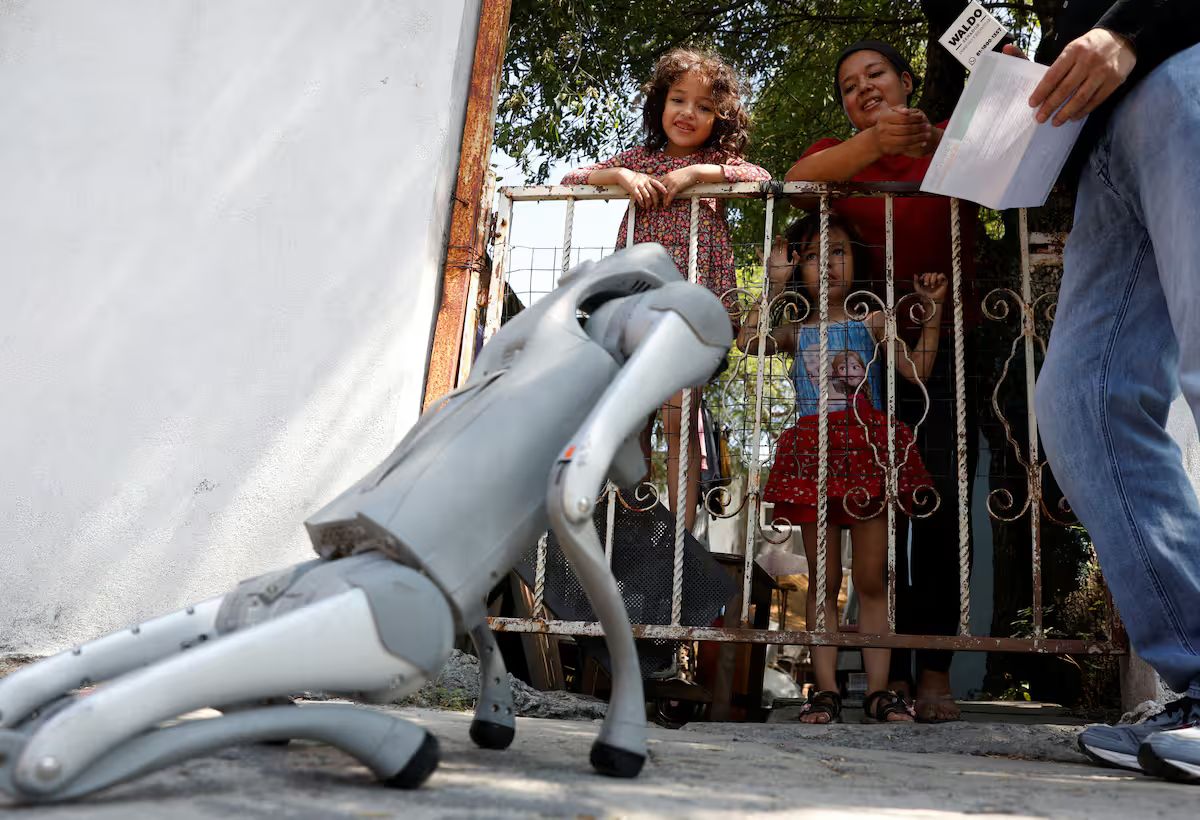
In Monterrey, Mexico, a beagle-sized robot named Waldog is demonstrating how AI and automation can solve real community problems while promoting empathy. Remote-controlled and equipped with sensors, Waldog roams streets collecting data on potholes, trash, and stray animal locations while simultaneously engaging citizens in conversations about animal welfare. His mission proves that AI doesn't have to be cold or extractive—it can be designed for kindness.
Senator Waldo Fernandez invested roughly $4,084 USD to create Waldog, challenging the typical deployment of robot dogs in surveillance, border patrol, and industrial inspection. Instead, Waldog blends automation with civic engagement, showing how data collection and human-centered design can work together.
The robot's strategy is clever: he uses novelty to grab attention, then redirects that curiosity toward animal welfare awareness. Schools, plazas, Instagram, TikTok—Waldog's algorithm-friendly moments go viral because they feel genuine, not forced.
What's actually happening under the hood matters. Waldog's sensors and remote operation system represent a new category of civic tech: empathy automation. He collects structural and environmental data while his handler maintains the human touch. It's not replacing human care workers—it's augmenting their reach.
The broader tech lesson? Robotics and AI don't have moral alignments by default. They reflect the values of their creators. Waldog's creator chose community benefit over surveillance profit. That choice matters more than the tech itself.
Global robot dog manufacturers have focused on military, industrial, and security applications. Waldog proves there's another lane: public health and animal welfare. As cities worldwide grapple with stray animal populations and civic infrastructure decay, AI-powered robots designed for compassion could become essential tools.
The real innovation isn't the robot. It's the willingness to ask: What if we used automation for something that matters?
Common Questions
How does Waldog collect data?
Waldog is equipped with sensors that help him identify potholes, waste accumulation, and locations where stray animals congregate. A human handler operates him remotely and can relay observations to city authorities in real time.
Is Waldog actually autonomous or remote-controlled?
Waldog is remote-controlled with a human handler present. This is intentional—it preserves the human element and prevents fully automated decision-making on sensitive civic issues.
How much does a robot like Waldog cost?
Waldog's estimated build cost was around $4,084 USD. Commercial robot dogs (like Boston Dynamics' Spot) range from $150,000–$300,000+, but custom civic-purpose robots can be built cheaper with open-source hardware.
Could other cities replicate Waldog?
Yes. The model is replicable: combine affordable robotics with a clear social mission, add community engagement, and measure impact through data collection and sentiment analysis. Several Latin American cities have expressed interest.
Does this replace animal welfare workers?
No. Waldog augments human workers by expanding visibility and data collection. The handler, the conversations, and the follow-up action still require people.
What makes Waldog go viral?
Waldog triggers two engagement paths: novelty (robot dog is unusual) and values alignment (animal welfare resonates). His social media clips hit emotional and intellectual notes simultaneously, which algorithms reward with distribution.
Related Reading
Explore how AI and civic responsibility intersect: The Rise of Compassionate Automation in Urban Planning
Learn more about robot dogs beyond surveillance: Boston Dynamics Spot and the Future of Field Robotics
Understand how data collection can serve communities: Ethical AI: When Algorithms Work for Public Good
Discover automation's role in animal welfare: How Tech is Changing Animal Rescue Operations