AI Is Running Politics Now — And Democracy Isn't Ready
Governments worldwide are using AI to write laws, predict elections, and assist judges. But when algorithms govern, who's accountable? Here's what's really happening.


By Paola Bapelle | YEET MAGAZINE | Updated October 16, 2025, 10:00 AM
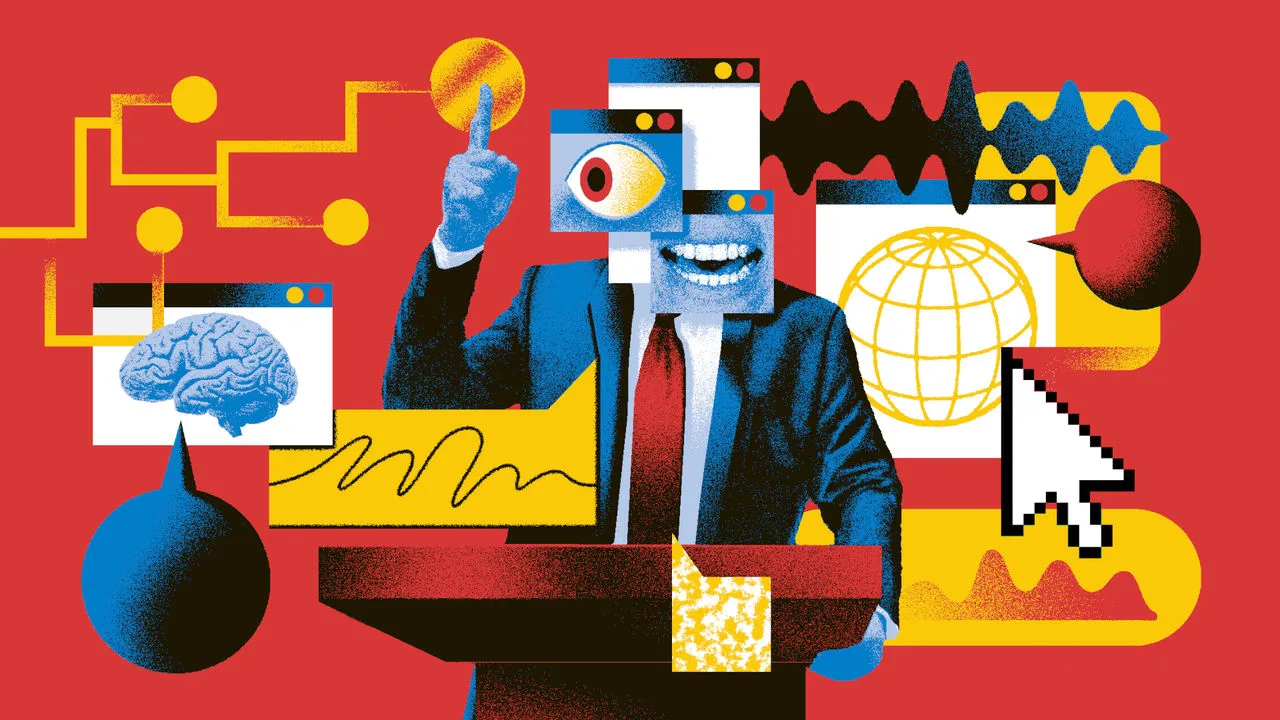
AI is writing laws, predicting elections, and making court decisions right now. Estonia uses algorithms to handle legal claims. China deploys predictive AI to monitor citizens. The UAE appointed a Minister of AI. Even U.S. courts rely on algorithms to analyze criminal cases. This isn't sci-fi anymore — it's governance. But here's the real problem: when machines make political decisions, humans lose accountability. Bias gets baked into code. Privacy evaporates. And nobody knows how to fix it.
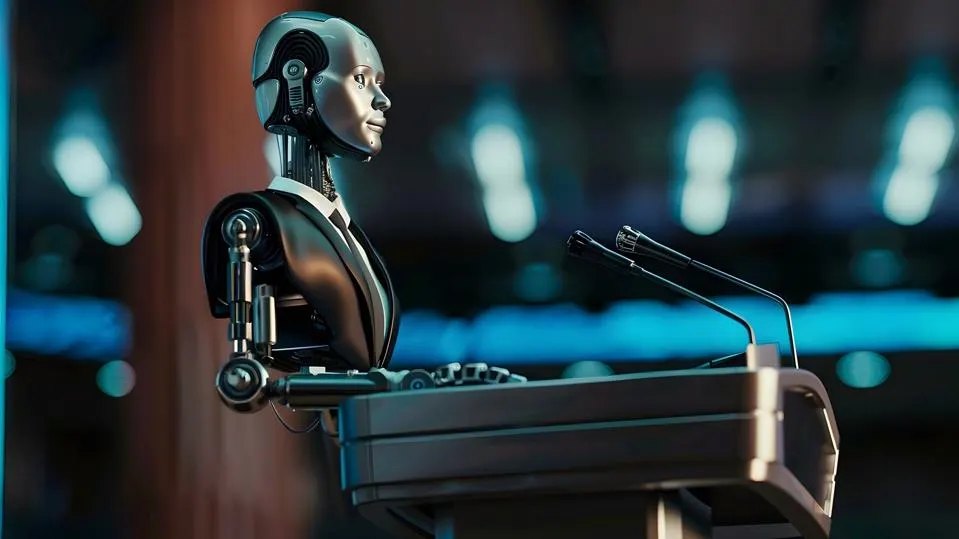
Where AI is already governing
In Estonia, AI handles small legal claims without a human judge. In China, surveillance algorithms predict crimes before they happen — targeting entire neighborhoods based on data patterns. The UAE literally created a government position for AI oversight. And in America, COMPAS and similar algorithms help judges decide bail amounts and sentences.
This isn't experimental. It's live. Right now.
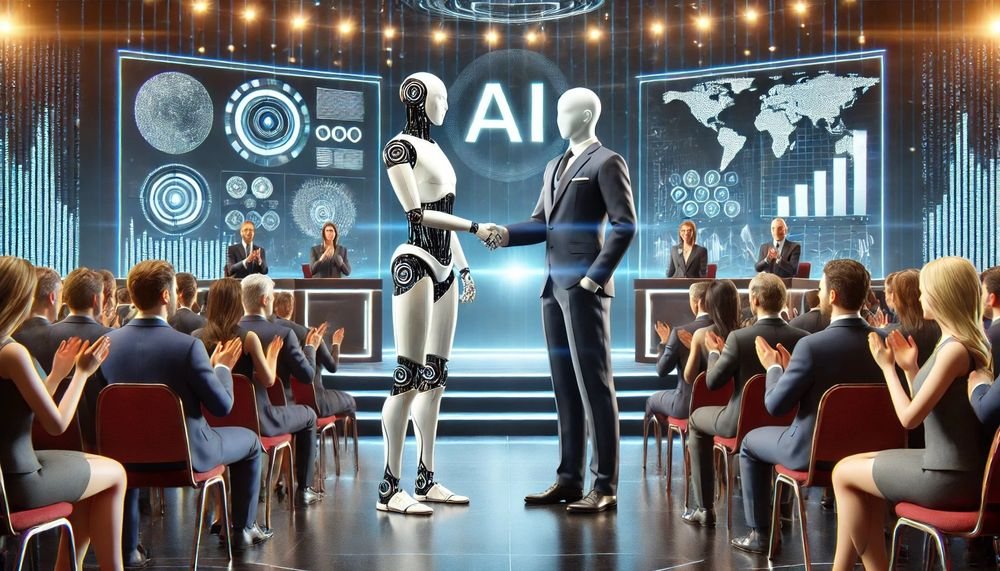
Why politicians love algorithmic governance
AI works 24/7. No lunch breaks. No fatigue. No ego. Politicians claim algorithms reduce corruption, speed up decisions, and save taxpayer money.
AI can draft laws using historical data, analyze public opinion across social media, predict election outcomes, and recommend legal sentences. It processes millions of data points humans can't.
But efficiency isn't the same as fairness.
The algorithmic bias problem
AI learns from data. But data is created by humans — biased humans with biased histories.
Training an algorithm on criminal records from a racist justice system? It'll become racist. Building a hiring AI from a company that discriminated? It discriminates faster. AI doesn't think. It doesn't question. It just finds patterns and repeats them at scale.
And algorithms can't feel empathy. They don't understand context. They optimize for metrics, not morality.
When a human judge makes a bad call, you can appeal. You can argue your case. When an algorithm decides you're high-risk or untrustworthy, good luck figuring out why. Most AI systems in government are black boxes — even the people using them don't fully understand how they work.
The surveillance problem
For AI to govern, it needs massive amounts of data. Your location. Your purchases. Your browsing history. Your health records. Your political views.
Governments justify this as "for security" or "for efficiency." But once that data is collected, it never really stays private. Breaches happen. Laws change. Governments fall and new ones take power with access to everything.
China's predictive policing algorithms have flagged entire ethnic groups. That's what happens when governments treat data as a tool for control instead of a tool for service.
So is AI in politics good or bad?
The potential upside: Faster decisions. Less human corruption. Potentially fairer systems if designed right.
The real risk: Hidden bias at scale. Zero accountability when things go wrong. Governments knowing everything about everyone. Algorithms that reflect society's worst parts, just faster.
AI itself isn't good or bad. But power + algorithms + secrecy = a dangerous combo.
The question isn't whether AI will reshape politics. It already is. The question is: who gets to decide how?
Common questions about AI governance
Can AI judges be fairer than humans?
In theory, yes. In practice, they inherit biases from their training data. A study found that algorithmic sentencing recommendations showed racial bias matching historical discrimination in the criminal justice system.
Who's responsible if an AI makes a bad decision?
Nobody. That's the problem. Programmers say it's not their fault — they just built it. Governments say the algorithm decided. The algorithm has no legal responsibility. Everyone walks.
Can we audit government AI systems?
Rarely. Most are proprietary. Companies claim transparency would expose trade secrets. So governments use black-box algorithms we can't examine.
Is algorithmic governance inevitable?
It depends on regulation. The EU's AI Act attempts oversight. The U.S. is still figuring it out. China isn't asking permission. Different countries will have wildly different AI governance futures.
What's the alternative?
Not banning AI, but controlling it. Transparency requirements. Explainable AI. Human oversight. Regular audits. Legal accountability. Democratic input on how algorithms are trained and used.
What comes next
More governments will adopt AI. More decisions will be made by algorithms. More data will be collected in the name of "efficiency."
The critical moment is right now — while these systems are still new enough to regulate. In five years, when algorithms are entrenched across every government function, it'll be much harder to change course.
The future of democracy might depend on whether we demand transparency and accountability from our algorithmic overlords — or just accept them.
Explore more on how automation is reshaping work and society or dive into how algorithms perpetuate bias across industries.