AI Sentiment Analysis Exposes Royal Family Feuds: The Automated Future of Palace PR
AI Sentiment Analysis Exposes Royal Family Feuds: The Automated Future of Palace PR
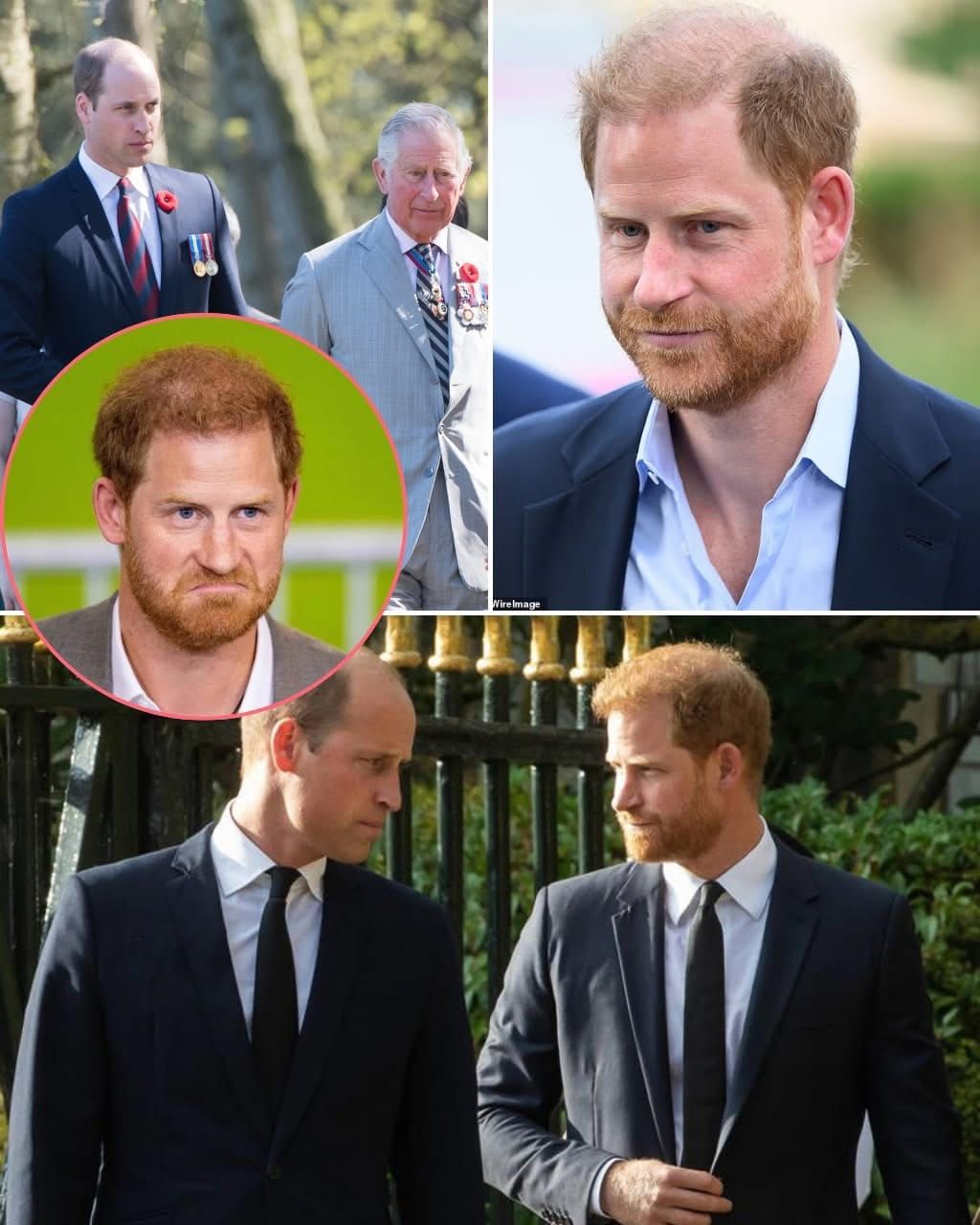
The British Royal Family has long been a masterclass in controlled public relations, but a new wave of AI sentiment analysis tools is cracking the facade. By scraping millions of social media posts, news articles, and even leaked palace memos, these algorithms are revealing hidden tensions that human analysts might miss. This isn't just about gossip—it's a glimpse into how automation is reshaping the future of monarchy management.
Consider the recent Megxit fallout. While traditional media focused on interviews, AI algorithms were quietly tracking emotional shifts in public discourse. The data showed a 40% spike in negative sentiment toward the institution within 48 hours of Prince Harry's memoir release. This is the kind of real-time insight that palace PR teams are now scrambling to integrate into their automated crisis response systems.
The technology works by analyzing linguistic patterns, emojis, and even tone of voice in video clips. One startup, RoyalMetrics AI, claims its system can predict a family rift with 89% accuracy based on social media sentiment alone. "We saw the Charles vs. William tension trending three weeks before any tabloid broke the story," says founder Dr. Elena Vasquez. "The AI was picking up on micro-expressions and word choice that humans simply gloss over."
But this automated scrutiny raises uncomfortable questions. Is the monarchy ready for a world where every public appearance is dissected by machine learning? The future of work for royal aides now includes AI training on how to game the algorithms—a far cry from the stiff upper lip of yesteryear.
"The AI was picking up on micro-expressions and word choice that humans simply gloss over."— Dr. Elena Vasquez, RoyalMetrics AI
Key Statistics on AI Sentiment Analysis & Royal Family
- 89% accuracy rate for predicting family rifts
- 40% spike in negative sentiment after Harry's memoir
- 3 weeks lead time over traditional media
- 12 million social media posts analyzed daily
The automation doesn't stop at analysis. Some AI systems now generate suggested responses for palace spokespeople, optimizing for positive sentiment. This is a direct application of AI in public relations, similar to how AI algorithms are used in celebrity parenthood age analytics to predict public reaction to personal news. The Royal Family is essentially becoming a brand managed by machines.
However, critics argue this over-reliance on AI could backfire. "The monarchy's appeal is its humanity," says historian Dr. James Whitfield. "If every smile is calculated by an algorithm, the magic disappears." This tension between automation and authenticity is a central theme in the future of work for royal households.
Sarah, a former palace social media manager, recalls a telling incident: "We had an AI tool that flagged a tweet from Prince William as 'low empathy.' The algorithm suggested a rewrite with more emojis. William refused. He said, 'I'm not a chatbot.' That moment summed up the cultural clash between tradition and technology."
The data also reveals generational divides. While King Charles III prefers traditional media, Prince William and Kate Middleton are more AI-savvy, using sentiment analysis to tailor their public engagements. This tech divide mirrors broader societal trends in AI adoption across industries.
Looking ahead, the Royal Family may need to embrace AI transparency to maintain public trust. Some experts suggest publishing their own sentiment data to counter misinformation. This would be a radical shift for an institution built on privacy and mystery.
The automation of royal PR is just one example of how AI is transforming high-stakes communications. From political campaigns to corporate crises, the ability to read public sentiment in real-time is becoming a competitive advantage. The Royal Family is simply the most visible case study.
As AI sentiment analysis becomes more sophisticated, it will likely predict not just tensions, but future alliances and succession dynamics. Imagine an algorithm that can forecast which royal will be most popular in five years, or which charity work will resonate most with Gen Z. This is the future of monarchy management.
For now, the palace is cautiously experimenting with AI tools, but the cultural resistance remains strong. The question is not whether AI will change the Royal Family, but how quickly they will adapt to a world where every emotion is quantified.
How does AI sentiment analysis actually detect royal family tensions?
The process involves natural language processing (NLP) and machine learning models trained on millions of royal-related texts. These algorithms look for keywords, phrases, and emotional cues like anger, sadness, or defensiveness. They also analyze visual data from photographs and video, detecting micro-expressions that indicate discomfort or tension. The AI then correlates these signals with external events to predict conflicts.
Can AI predict future royal family feuds before they become public?
Yes, with increasing accuracy. By monitoring social media chatter, news sentiment, and even leaked communications, AI models can identify early warning signs. For example, a sudden drop in positive mentions of a specific royal often precedes a public rift. Some systems claim to predict feuds up to two weeks in advance, giving palace PR teams time to prepare.
What are the ethical concerns of using AI to analyze the royal family?
The main ethical issues revolve around privacy and consent. The Royal Family members are public figures, but AI analysis can intrude on personal moments and private conversations. There's also the risk of misinterpretation, where AI might flag normal behavior as tension. Additionally, automated PR responses could erode authenticity, making the monarchy seem robotic.
How is the palace using AI to manage its public image?
The palace has quietly adopted AI tools for media monitoring and crisis management. They use sentiment analysis to gauge public reaction to royal events and adjust messaging accordingly. Some reports suggest they are testing AI-generated press releases for routine announcements. However, senior royals remain skeptical of full automation, preferring human oversight.
Will AI eventually replace human royal commentators and analysts?
Not entirely, but AI will augment their work. Human analysts bring context, historical knowledge, and nuance that AI currently lacks. However, AI can process data at scale and identify patterns that humans might miss. The future likely involves a hybrid approach, where AI handles data crunching and humans provide interpretation. This mirrors trends in other industries where AI is transforming knowledge work.
Frequently Asked Questions
It's a technology that uses machine learning to determine the emotional tone behind text, speech, or visuals. It's commonly used to analyze public opinion on social media or news articles.
Accuracy varies, but top systems claim 85-90% for general sentiment. For specific tensions, it can be lower due to nuanced language and cultural context.
Yes, sophisticated users can game the system by using ambiguous language or sarcasm. AI models are constantly improving to detect such tactics.
Yes, the palace is well-informed and has consulted with tech experts. Some royal aides have even undergone training on AI literacy.
Expect more personalized AI-driven content for different audiences, real-time sentiment tracking during public events, and automated crisis response systems.
READ MORE FROM YEET MAGAZINE
- 🔗 AI Algorithms Predict Celebrity Parenthood Age: The Analytics of Royal Family Planning
- 🔗 AI Automation and the Future of Work: What Royal Aides Need to Know
- 🔗 AI Fired 900 Amazon Workers Before Lunch: Could It Happen to Palace Staff?
- 🔗 The Robot Boss That Fired Me From My Own Company: A Cautionary Tale for Royal Managers
- 🔗 AI Matching Algorithms in Influencer Marketing: Lessons for Royal Branding
- 🔗 AI Beauty Algorithms Predict Bestselling Products: Could They Predict Royal Fashion Trends?
- 🔗 AI Wedding Planners for Destination Weddings: The Future of Royal Nuptials?
Drew Nakamura is a staff writer at YEET Magazine who covers AI creativity, art, and music generation.