
Why AI Can't Feel the Button: How Algorithms Missed the Tactile Feedback Revolution
AI-powered design systems optimized for touchscreens but completely missed why humans crave physical buttons. Machine learning trained on engagement metrics ignored neuroscience: our brains need tactile feedback. The button renaissance exposes a critical blind spot in how algorithms understand human


By YEET Magazine Staff
Published November 18, 2025
AI-powered design systems optimized for touchscreens and minimalist interfaces—but completely whiffed on why humans actually want physical buttons back. The "appstinence" movement, where people ditch hyperconnected devices for simpler tech, reveals a massive blind spot in how algorithms understand human behavior. Machine learning trained on engagement metrics missed what neuroscience knew all along: our brains crave tactile feedback. For 15 years, algorithms learned to maximize screen time. They never learned to measure what users actually felt.
The Algorithm That Learned to Optimize Wrong
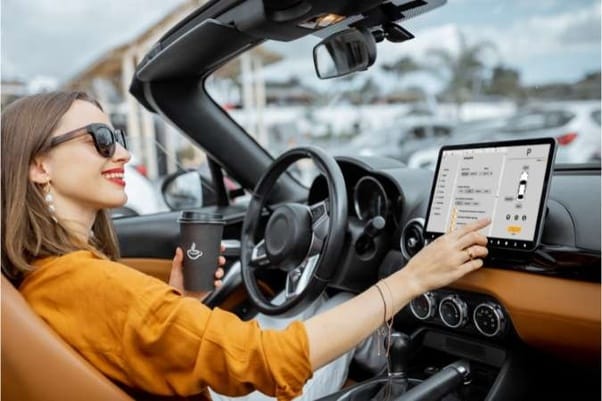
Touchscreen adoption was driven by automation and algorithmic thinking. Remove physical buttons = reduce manufacturing costs. Flatten the interface = control the user journey. Data-driven design made spreadsheet sense. It made zero human sense.
Here's the gap: 64% of people surveyed actually prefer physical buttons, according to ZigWheels. That one statistic invalidates years of AI-optimized design decisions. Why the disconnect? Because machine learning models were trained on behavioral data (clicks, taps, engagement), not on what makes humans feel safe or competent.
Your brain releases dopamine when you feel a click. Touchscreens are efficient but emotionally hollow. Algorithms can't measure that because dopamine hits don't show up in engagement metrics.
When Safety Data Beat Algorithms
In cars, safety data finally forced the issue. Hyundai ran focus groups and got hammered with complaints—touchscreen menus for climate control distract drivers. Euro NCAP (the European safety regulator) is now requiring physical buttons for critical functions by 2026 to maintain safety ratings.
Algorithms didn't predict this. Humans did. Policy had to override machine learning because ML was optimizing for the wrong outcome.
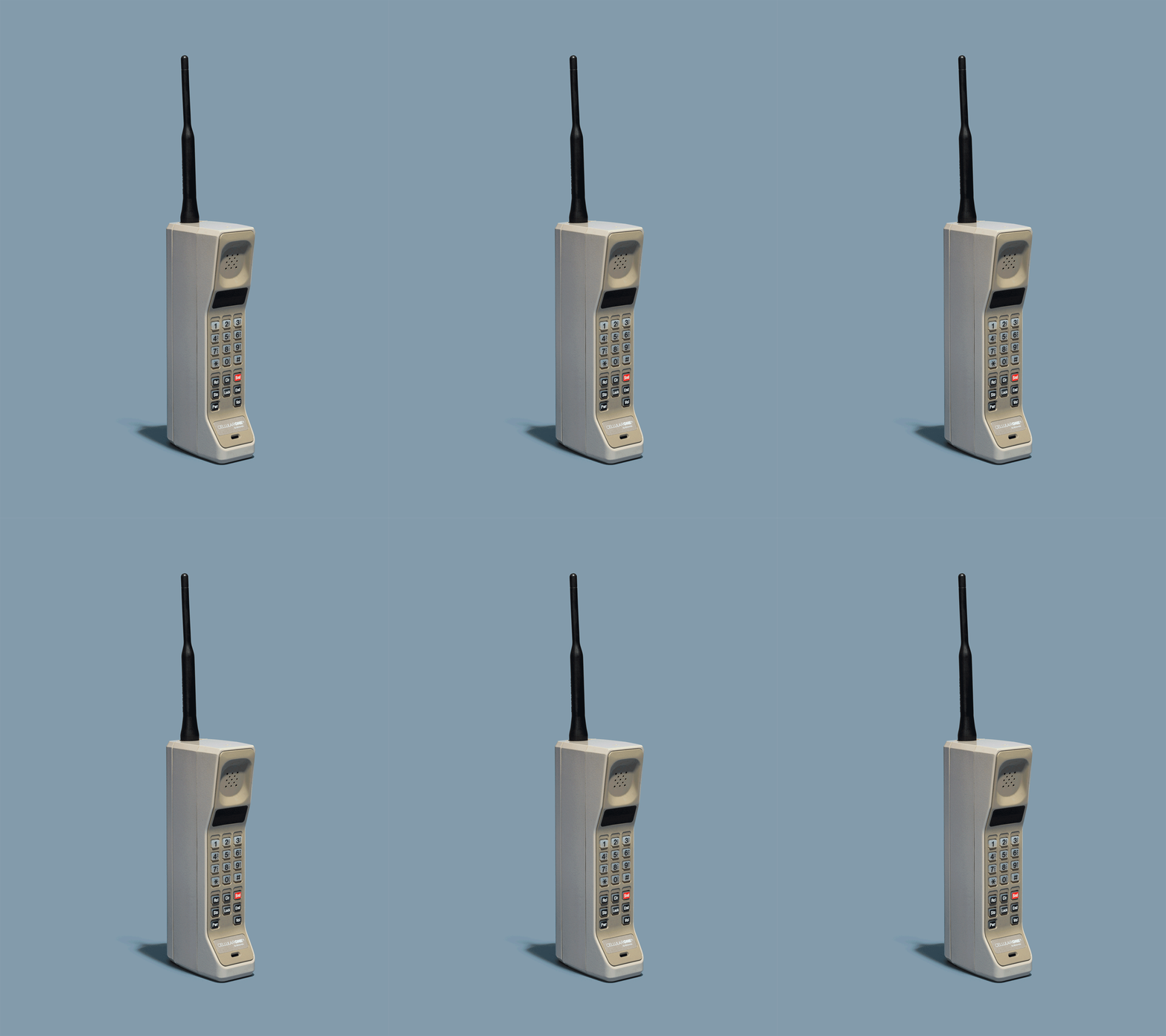
The appstinence movement—people switching from smartphones to "dumbphones" to escape constant notifications and digital overload—also blindsided prediction models. AI was optimized to maximize features and automation. It couldn't comprehend that people wanted less.
Where Machine Learning Failed in Real Time
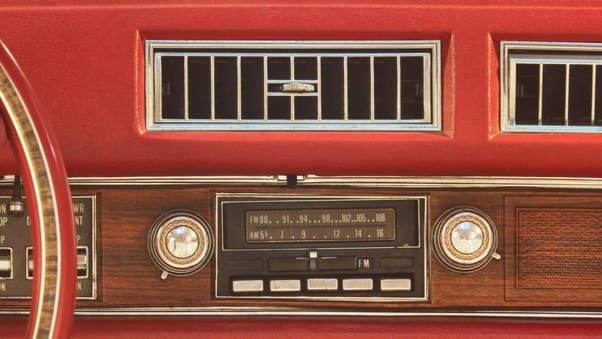
Automotive UX: AI-driven design pushed full touchscreen integration. User feedback forced manufacturers to reintroduce knobs and buttons. Machines didn't see the problem coming.
Safety Regulation: Euro NCAP had to mandate physical controls by 2026 because algorithm-optimized car interfaces were making roads less safe. Policy, not AI, fixed the issue.
Smartphone Fatigue: Tech companies automated notifications, app suggestions, and engagement loops to maximize "stickiness." The response? A global shift toward dumbphones. Algorithms predicted infinite adoption; users opted out entirely.
Design Homogenization: Automation led to near-identical minimalist interfaces across all devices. People are now seeking vintage tech, mechanical keyboards, and tactile devices because algorithmic sameness feels sterile and soulless.
The Core Problem: What's Measurable Isn't What Matters
Machine learning optimizes for what's measurable, not what matters. A button press that requires zero conscious thought is neurologically efficient—your cerebellum handles it automatically. Touchscreens force conscious attention: eyes + finger placement + confirmation. Algorithms optimize for task completion, not cognitive load or emotional satisfaction.
Tactile feedback isn't data; it's neuroscience. You can't A/B test your way into understanding that humans need tactile confirmation. Automation fatigue is real, but it doesn't show up in your engagement dashboard until people have already switched devices.
This is the fundamental blind spot: AI can measure clicks, but not contentment. It can optimize for engagement, but not for the feeling that something is right.
What This Means for Future AI Design
The button renaissance is a warning signal. As AI systems make more decisions about UX, product design, and automation, they'll keep optimizing for the wrong metrics unless we change what we measure.
Future machine learning needs to factor in cognitive load, user autonomy, and psychological safety—not just conversion rates. Algorithms need training data on what makes humans feel in control, not just what makes them click more.
Until then, expect more resistance. Expect more people ditching smartphones. Expect more regulators overriding algorithms because they understand something ML doesn't: sometimes, the best design is one that gets out of the way.
Common Questions
Why can't AI learn to value tactile feedback?
Because tactile satisfaction doesn't generate measurable engagement metrics. Machine learning is trained on data that companies track—clicks, session length, conversion rates. The neurological reward of a physical button doesn't show up in those systems. Until companies start measuring emotional satisfaction the same way they measure clicks, algorithms will keep ignoring it.
Is the button comeback a real trend or just nostalgia?
Both. Euro NCAP's 2026 mandate isn't nostalgia—it's safety data. But the broader shift toward dumbphones and mechanical keyboards is partially nostalgia. The real trend is automation fatigue: people are consciously rejecting the hyperoptimized digital environments that AI created.
Can AI be redesigned to account for human psychology?
Yes, but it requires different training data. Instead of engagement metrics, train algorithms on user satisfaction, stress levels, and cognitive load. Companies would need to measure what actually makes people happy, not just what makes them use products more. Most don't, because optimization for engagement is more profitable.
Will this change how tech companies design products?
Slowly. Regulatory pressure (like Euro NCAP) works faster than market feedback. But as appstinence grows and younger users reject hyperconnected devices, companies will eventually adapt. The button comeback is already happening in premium cars and high-end devices. Mass market adoption will follow.
What's the broader lesson about AI limitations?
Algorithms are only as smart as the data they're trained on. If you train a system to maximize engagement, it will. If you never measure human wellbeing, it won't optimize for it. AI isn't neutral—it amplifies whatever you tell it to optimize for. The button failure is a case study in what happens when you optimize for the wrong thing.
Read Next
How Algorithms Learned to Ignore User Happiness: The Dark Side of Engagement Metrics
Automation Fatigue: Why People Are Ditching Smartphones for Dumbphones
AI Can't Replace Human Judgment: 5 Times Algorithms Failed Spectacularly
```