Apple's AI-Powered Dual-Screen Patent Could Transform How Cameras and Algorithms See Us
Apple's latest patent reveals dual-screen iPhones and iPads powered by AI-driven stimulus features and algorithms that could revolutionize how machines capture and process images. The rear display uses machine learning to optimize subject engagement and camera performance in ways traditional hardwar

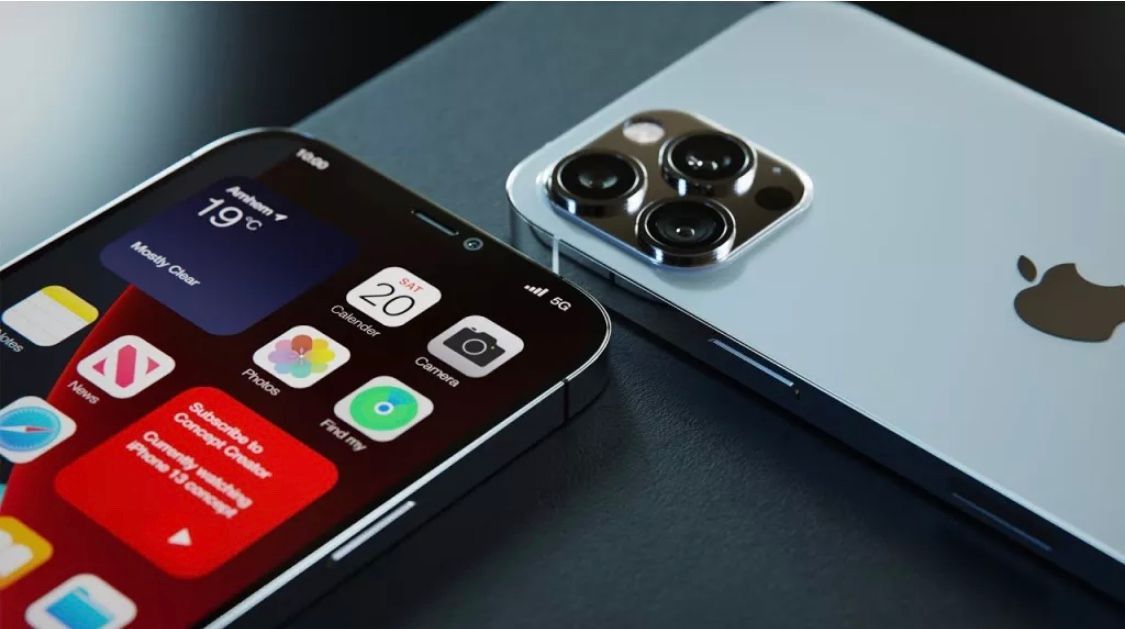
Apple's patent filing reveals something wild: iPhones and iPads with rear touchscreens powered by AI algorithms that could fundamentally change how devices capture images. The real innovation isn't just the second screen—it's the machine learning layer underneath. Apple's patent describes using AI-driven "stimulus features" on the back display to manipulate subject behavior in real-time, essentially letting algorithms optimize photography conditions automatically. This is hardware designed around artificial intelligence, not the other way around.
By YEET Magazine Staff | Updated: May 13, 2026
Here's what makes this different from typical patents: the rear display doesn't just show pretty animations. According to the filing, it's configured to display dynamic content—text, animations, video—that AI systems analyze and adjust based on real-time feedback from the camera.
Think about what that means. An algorithm could detect when a subject's attention is wavering and automatically trigger the rear display to show something that recaptures focus. Machine learning models trained on millions of portrait sessions could predict optimal engagement timing. The system becomes collaborative between human and machine.
The selfie angle is where automation really shines. Currently, front-facing cameras are weaker than rear cameras because of space constraints and design priorities. But if you're using the rear camera with a rear display as your mirror, algorithms could enhance the shot in real-time—adjusting lighting predictions, skin tone processing, and depth mapping before the photo is even taken.
For iPad users, this opens doors to automated content creation workflows. Imagine AI-powered video recording where the rear display tracks your subject and the front algorithm handles lighting optimization simultaneously.
Will we actually see this? Apple patents are notoriously speculative. But the engineering suggests serious R&D investment into algorithmic photography—where the device learns your shooting style and automates the technical decisions.
Q: How would AI actually use a rear display to improve photos?
Machine learning models would analyze real-time camera data and automatically trigger display content to optimize subject positioning, lighting, and engagement. Algorithms could predict the best moment to capture a shot based on patterns learned from billions of images.
Q: Could this replace professional photography equipment?
Not entirely, but algorithmic optimization at the hardware level narrows the gap. Professional photographers might automate routine tasks while focusing on creative direction.
Q: What's the automation angle for content creators?
Dual-screen systems with built-in AI could streamline video production by automating focus tracking, exposure adjustment, and even scene composition—reducing the need for external equipment and editing.
Q: How does this connect to the future of work?
As devices become smarter through embedded AI, creators and professionals need fewer specialized tools. The phone becomes the studio, and algorithms handle what used to require human expertise.
Check out: How AI Camera Algorithms Are Automating Professional Photography | Machine Learning is Reshaping Hardware Design | Automation Tools Transforming Creative Work
