How AI & Automation Are Making Auckland the World's Most Livable City in 2025
Auckland claimed the 2025 Global Liveability crown, but it's not just luck—it's algorithmic city planning, AI-powered infrastructure, and data-driven governance making it work. Here's how tech transforms a city into a place people actually want to live.


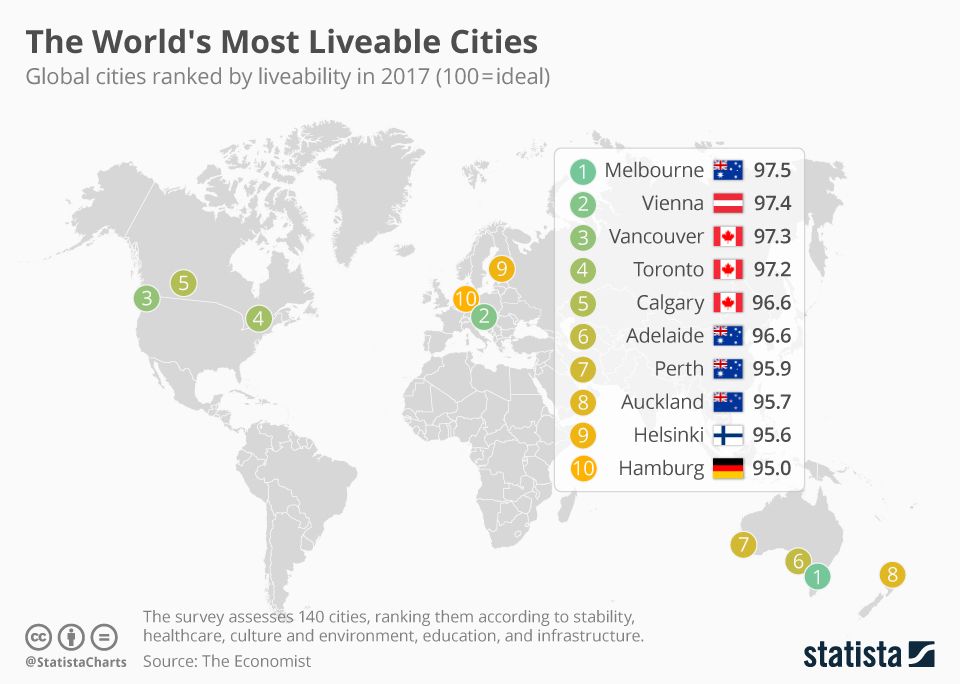
The Economist Intelligence Unit just ranked Auckland, New Zealand as the world's most livable city for 2025. But here's what they're not shouting about: it's not just good weather and friendly locals—it's AI-powered infrastructure, predictive data systems, and automated city planning that make it tick. Auckland uses algorithmic traffic management, AI-driven healthcare coordination, and machine learning to optimize everything from water systems to emergency response times. That's why people actually want to live there.
What Makes a City "Livable" in the Age of Data?
The EIU measures stability, healthcare, culture, environment, education, and infrastructure. But here's the real story: cities that rank highest now are the ones leveraging AI and automation to deliver on those metrics efficiently.
Auckland's smart city initiatives use real-time data analytics to manage traffic flow, reduce congestion, and cut emissions. Algorithms predict infrastructure failures before they happen. AI-powered healthcare networks coordinate patient data across hospitals, cutting wait times. These aren't marketing gimmicks—they're the operational backbone of a high-functioning city.
Infrastructure Meets Intelligence
Traditional cities are reactive. They fix potholes after they appear. Auckland uses predictive maintenance algorithms that flag deteriorating roads before collapse. Water systems run on AI monitoring for leaks. Public transport algorithms adjust routes in real-time based on demand patterns. This automation saves money, reduces waste, and makes daily life smoother.
The city's investment in smart public transport automation means fewer delays, better scheduling, and fewer commute headaches. When your commute doesn't suck, your quality of life jumps immediately.
Healthcare + Data = Better Outcomes
Auckland's healthcare system uses AI to allocate resources, predict disease outbreaks, and coordinate specialist networks. Machine learning algorithms analyze patient data to catch health issues early. This infrastructure is why healthcare rankings keep Auckland at the top—it's not just good doctors, it's AI optimizing the entire system.
Education & Skills for Tomorrow's Workforce
The city is betting on automation and AI integration in schools. Personalized learning algorithms adapt to student needs. Data systems track skill gaps and adjust curricula. It's not replacing teachers—it's letting them focus on what humans do best while automation handles the administrative grunt work.
The Environmental Edge
Smart city tech cuts Auckland's carbon footprint. Building automation systems, IoT sensors, and energy management algorithms reduce waste. Public data dashboards let citizens see real-time environmental metrics. Transparency + automation = people feel like the city actually cares about sustainability.
But Here's the Catch
Ranking high on liveability doesn't mean it's perfect. Auckland's tech relies on data collection—which means privacy questions. Algorithmic decision-making can embed bias. Automation creates new job demands while obsoleting others. The city's doing better than most at managing these tradeoffs, but it's not solved.
Why This Matters for Your Future
If you're thinking about relocating, moving to a city invested in AI and automation infrastructure means:
- Better public services with shorter wait times
- Smarter transportation and fewer traffic headaches
- Jobs in tech and data-driven sectors
- Systems that actually respond to citizen needs in real-time
- Exposure to the future of work
Auckland isn't #1 because it's pretty. It's winning because city planners learned that data + automation + infrastructure = human thriving.
The Real Question
If you have the choice to live somewhere, why not pick a place where the systems actually work? Where algorithms make your commute faster, your healthcare better, and your city responsive? That's what Auckland figured out. Other cities are watching.


Questions People Actually Ask
Is Auckland expensive to live in? Yes. High liveability usually correlates with higher costs. But if the infrastructure actually works, many say the trade-off is worth it. Tech jobs in Auckland pay well too, so it balances out for remote workers and skilled professionals.
How does Auckland's ranking compare to other years? It's been in the top 3 for years. In 2025, it reclaimed #1 after slipping slightly. The consistency suggests their smart city infrastructure is actually delivering long-term results, not just hype.
What if I don't work in tech? Doesn't matter. Everyone benefits from functioning infrastructure. Teachers, nurses, retail workers—they all deal with less chaos when a city's systems run on algorithms instead of guesswork.
Can other cities replicate this? Theoretically yes. It requires investment in IoT sensors, data infrastructure, AI talent, and governance willing to use data. Not every city council is ready for that commitment. Auckland got there partly by luck (tech-forward culture) and partly by choice (strategic investment).
What's the downside of all this automation? Privacy erosion. If everything's tracked to make the city work better, who owns that data? Algorithmic bias can creep into decision-making. Job displacement in sectors that get automated. Auckland's managing these better than most, but they're not solved problems.
Is it worth moving there? Depends on your priorities. If you value efficiency, good healthcare, solid infrastructure, and a city that actually responds to citizen data, yes. If you're looking for cheap rent and low cost of living, no—pick somewhere less "optimized."
More on the Future of Cities
Check out our deep-dive on how AI is reshaping urban infrastructure. Or read about the best cities for remote workers in 2025. And if you're curious about which job markets are thriving post-automation, we've got that too.