Smartphones to Remember in 2017: Must-Have Devices That Defined the Year with AI Innovation
2017 brought groundbreaking smartphones that integrated artificial intelligence and machine learning into everyday mobile experiences. These must-have devices featured advanced cameras, smart processors, and AI-powered features that redefined what phones could do.

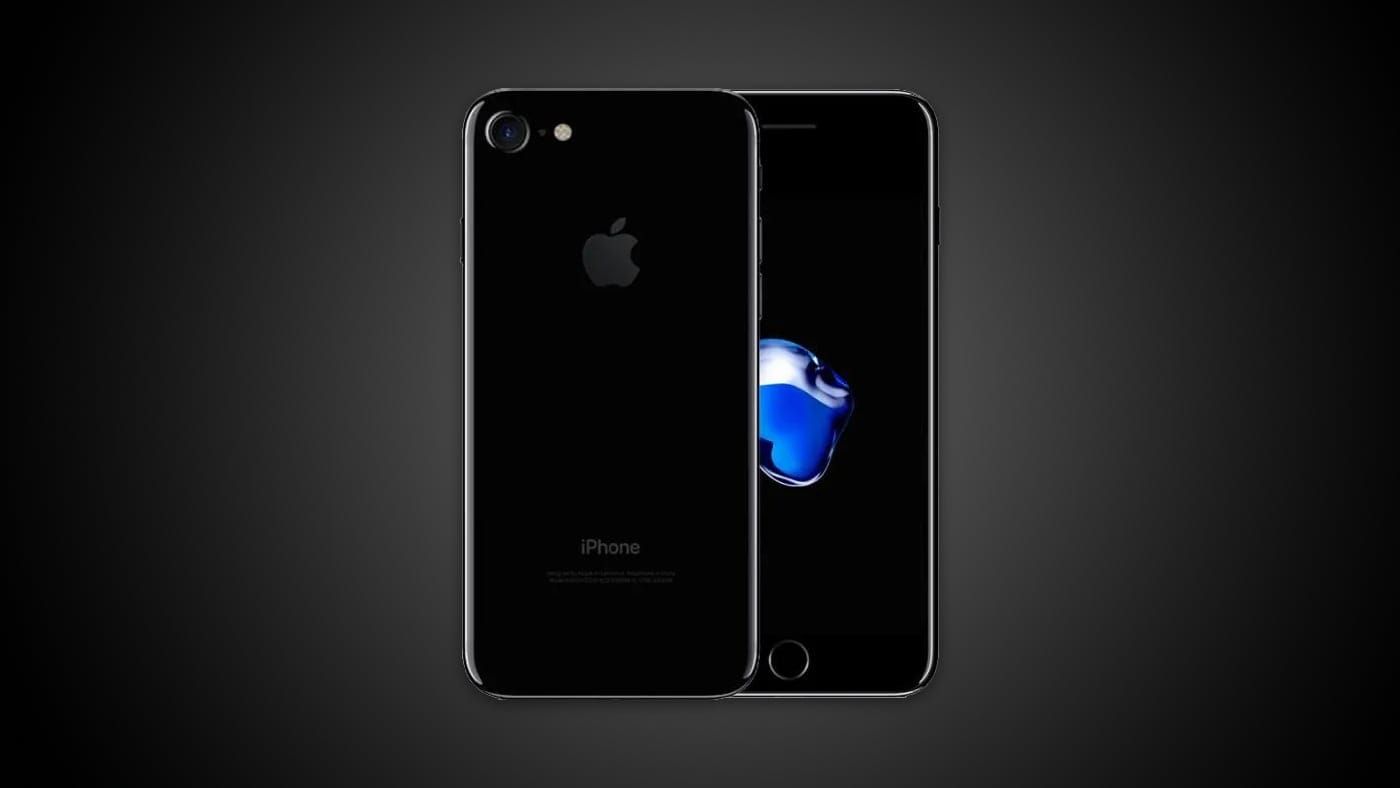
Smartphones to Remember in 2017: Must-Have Devices That Defined the Year
Yeet Magazine | Technology & Innovation
By YEET Magazine Staff | Published: 2026-05-13
Quick Answer: 2017 delivered revolutionary smartphones that transformed the industry forever. The iPhone X introduced Face ID and gesture navigation. Samsung Galaxy S8 pioneered edge-to-edge displays. Huawei Mate 10 Pro brought AI-powered computational photography. OnePlus 5T delivered flagship performance at accessible prices. HTC U11 featured innovative squeeze gestures. These five devices didn't just define 2017—they established design principles, AI integration patterns, and user interaction paradigms that remain standard in smartphones today. From curved screens to biometric authentication to intelligent camera systems, each device contributed essential DNA to modern mobile computing.
The Year That Changed Everything
2017 wasn't just another year in smartphone evolution. It was the moment when the industry collectively decided to abandon the past and embrace a radically different future. The conventional smartphone, with its home button and thick bezels, was dying. In its place emerged a new generation of devices that pushed screens to the edges, introduced sophisticated AI algorithms, and fundamentally changed how people interacted with their technology.
The smartphones released in 2017 weren't incremental updates. They were paradigm shifts. Each major flagship brought something genuinely new to the table—not just faster processors or better cameras, but completely different ways of thinking about what a smartphone could be.
Samsung Galaxy S8: The First Flagship of 2017
When Samsung released the Galaxy S8 in March 2017, it sent shockwaves through the industry. The company had spent years perfecting the curved edge display technology, and with the S8, they finally made it the centerpiece of their design philosophy.
The Galaxy S8 removed the massive top and bottom bezels that had characterized previous flagships. Instead, Samsung introduced curved edges that extended the display almost to the frame itself. This wasn't just aesthetic—it fundamentally changed how the phone felt in hand and how content appeared on screen.
The 5.8-inch Super AMOLED display became the new standard. Samsung's decision to embrace this form factor influenced every major competitor. Within months, edge-to-edge displays became the expectation, not the exception.
Beyond the display, the S8 introduced Samsung's new artificial intelligence assistant, Bixby. While Bixby wasn't perfect at launch, it represented Samsung's commitment to integrating AI into every smartphone interaction. The assistant used machine learning to understand user behavior patterns and predict needs before users even articulated them.
The Iris scanner added another biometric layer, though it would eventually lose ground to more convenient facial recognition technology. Still, the Galaxy S8's biometric innovations showed that manufacturers were moving away from simple fingerprint sensors toward more sophisticated identity verification systems.
iPhone X — The Redesign That Changed Apple Forever
Apple's iPhone X, unveiled in September 2017, was the company's most radical redesign since the original iPhone. It didn't just update the formula—it exploded it and rebuilt something entirely new.
The most dramatic change was the removal of the home button. For a decade, the home button had been Apple's signature. It was the one consistent interface element across every iPhone generation. Removing it wasn't just a design decision—it was a philosophical statement that Apple believed the future of smartphone interaction lay elsewhere.
That "elsewhere" was gesture-based navigation. Users no longer pressed a button to return home. Instead, they swiped up from the bottom. They swiped down from the top. They swiped left or right. These gestures, powered by sophisticated machine learning algorithms that recognized swipe patterns and user intent, became the new language of iPhone interaction.
Face ID was the technological achievement that made this possible. Using a neural engine and sophisticated depth-sensing cameras, the iPhone X could map the user's face with mathematical precision. The system used AI to handle variations in lighting, angle, and appearance while remaining nearly impossible to fool.
The notch—that distinctive cut in the top of the display—became immediately iconic. Apple's competitors initially mocked it, but within a year, nearly every flagship Android phone copied the design. The notch wasn't just form; it housed the sophisticated Face ID sensor array, representing the marriage of cutting-edge hardware and advanced AI.
Apple's A11 Bionic chip included a dedicated Neural Engine, a specialized processor designed specifically for machine learning tasks. This wasn't just marketing—it represented a fundamental shift in smartphone architecture. Processing power was no longer just about raw speed; it was about enabling AI and automation at the device level.
The iPhone X's camera system demonstrated how AI could revolutionize photography. Computational photography—where algorithms enhance, blend, and optimize images after capture—became central to the photography experience. The system used neural networks to recognize scenes, optimize exposure, and apply intelligent effects in real-time.
Huawei Mate 10 Pro: AI as a Core Philosophy
While Apple and Samsung focused on design and interface innovations, Huawei took a different approach with the Mate 10 Pro. Released in October 2017, the Mate 10 Pro was arguably the first smartphone to make artificial intelligence its central value proposition.
The Mate 10 Pro featured Huawei's Kirin 970 processor, which included a dedicated AI accelerator called the Neural Processing Unit (NPU). This chip could perform AI computations without taxing the main processor, enabling real-time machine learning tasks at low power consumption.
AI at the Hardware Level
The Mate 10 Pro didn't just add AI features—it redesigned the entire processor architecture around AI capabilities. The NPU could recognize objects, optimize power consumption, enhance images, and predict user behavior while consuming minimal battery power. This represented a fundamental shift: AI wasn't a software add-on but a core architectural element.
The camera system exemplified this AI-first approach. Using the neural processor, the Mate 10 Pro could recognize more than 1,500 different objects and scenes in real-time. The camera would automatically adjust settings based on what it detected—if it recognized a dog, it optimized for moving subjects; if it recognized a sunset, it enhanced the colors.
The system continuously learned from user behavior. Each photo taken trained the machine learning model further, making it increasingly personalized to individual photography preferences. This wasn't just image processing; it was a system that became smarter with every use.
Huawei's decision to build AI into the hardware proved prescient. As machine learning became increasingly central to smartphone functionality, having dedicated hardware accelerators became a competitive advantage that lasted years.
OnePlus 5T: Performance Meets Accessibility
OnePlus had built its reputation on delivering flagship performance at lower prices than Samsung and Apple. The OnePlus 5T, released in November 2017, refined this philosophy to near-perfection.
With a 6-inch AMOLED display featuring a 18:9 aspect ratio, the 5T embraced the edge-to-edge aesthetic that had become the new normal. The device used the latest Qualcomm Snapdragon 835 processor and shipped with 8GB of RAM as standard—specs that matched or exceeded competing flagships.
The 5T's facial recognition system, while less sophisticated than Face ID, demonstrated that biometric authentication was moving beyond fingerprints. The system used machine learning to recognize faces under various lighting conditions, learning from each authentication to improve accuracy.
OnePlus' greatest contribution in 2017 wasn't a specific feature—it was proving that cutting-edge technology didn't require premium pricing. By leveraging efficient manufacturing, smart component sourcing, and AI-powered software optimization, OnePlus showed that sophisticated automation and machine learning could be accessible to broader audiences.
HTC U11: Pressure-Sensitive Innovation
While other manufacturers focused on edge-to-edge displays and biometric authentication, HTC took an unconventional approach with the U11, released in May 2017.
The U11 featured Edge Sense—pressure-sensitive sides that could detect squeezes and convert them into actions. Squeeze the phone, and an app would open. Squeeze and hold, and the camera would activate. This was gesture recognition at a physical level, using pressure sensors and machine learning to interpret user intent.
The system used AI to distinguish between intentional squeezes and accidental pressure from normal handling. The neural algorithms had to learn the subtle difference between a deliberate action and a casual grip—a complex machine learning challenge that HTC solved elegantly.
Though Edge Sense never achieved mainstream adoption, it represented an important exploration in how smartphones could interact with users beyond traditional touchscreen interfaces. The technology demonstrated that sensors and automation could create entirely new interaction paradigms.
The AI Revolution in 2017 Smartphones
Artificial Intelligence Became Foundational
Looking back, 2017 was the year when AI stopped being a gimmick and became fundamental to smartphone functionality. Every major flagship released that year included dedicated AI processors, sophisticated machine learning models, and automation systems that learned from user behavior.
The Snapdragon 835 and Apple's A11 Bionic both included machine learning accelerators. Samsung's Exynos processors added neural processing capabilities. Qualcomm's AI Engine became a standard feature. This wasn't just incremental improvement—it was a wholesale architectural redesign prioritizing artificial intelligence.
The implications were profound. AI enabled:
- Computational Photography: Algorithms that enhanced images after capture, learning from scene recognition to optimize every photo
-
Related Reads
- How AI is Transforming Mobile Devices: A Technical Deep Dive
- Best Phone Cameras of 2017: Photography Excellence in Your Pocket
- What's Next? Smartphone Trends and Predictions for 2018