
Can AI Help Detect Fake Food? Inside the Olive Oil Fraud Exposed by Science
A UC Davis study found that nearly 7 in 10 “extra virgin” olive oils fail quality standards. Many are diluted, oxidized, or mislabeled. As food fraud grows, AI is now being explored as a way to detect fake food across global supply chains—before it reaches consumers.


fake olive oil, food fraud detection AI, can AI detect fake food, extra virgin olive oil fraud, UC Davis olive oil study, food authenticity technology
Can AI Help Detect Fake Food? Inside the Olive Oil Fraud Exposed by Science
AI Is Starting to Reveal Something Uncomfortable About What We Eat
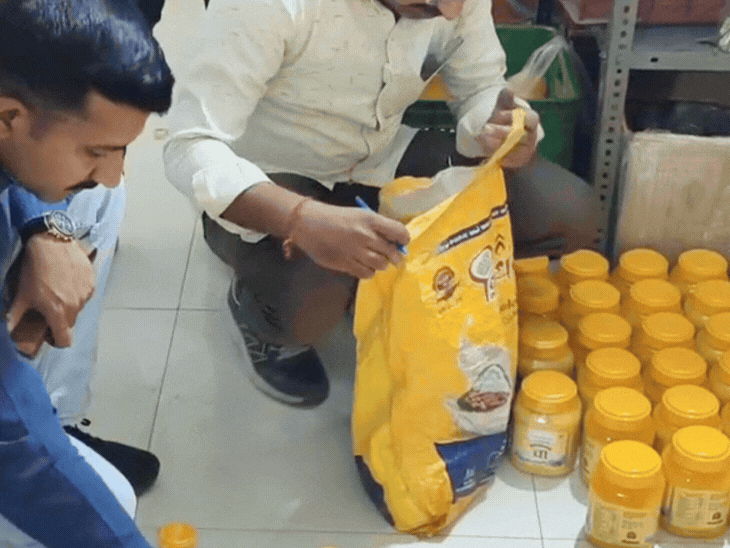
A UC Davis study tested 124 imported olive oils and found something alarming: 69% of top-selling supermarket brands failed the extra virgin standard. Many were diluted with seed oils, already oxidized, or falsely labeled. Bottles sold as “premium olive oil” often weren’t what they claimed to be.
This raises a bigger question now gaining attention in food tech and AI: can artificial intelligence help detect fake food before it reaches consumers?

The Olive Oil Problem No One Wants to Talk About
The fraud is subtle but widespread. Many “extra virgin” oils on shelves are:
- cut with cheaper seed oils
- stored in clear plastic bottles that degrade quality
- missing harvest dates
- sold at prices too low to reflect real production costs
At around $14 per liter, most “cheap olive oil” is statistically unlikely to be pure olive oil at all.
Food scientists already know this. The problem is scale. Testing every bottle manually is slow, expensive, and inconsistent.
Where AI Enters the Food Industry
This is where artificial intelligence starts to change the equation.
AI systems can now analyze:
- chemical composition patterns from lab results
- supply chain inconsistencies across suppliers
- packaging and labeling anomalies
- pricing patterns that don’t match production costs
Machine learning models trained on verified olive oil samples can flag suspicious batches before they hit supermarket shelves.
In theory, the same system could extend to:
- honey adulteration
- fake spices like saffron
- diluted juices
- mislabeled organic products
Why Fake Food Is Hard to Stop Without AI
Food fraud works because it is:
- global
- fragmented
- financially incentivized
- hard to detect at scale
Traditional inspections rely on sampling. That means most products are never tested.
AI changes this by shifting detection from random sampling to continuous pattern recognition across entire supply chains.
The Bigger Shift: Trust Is Becoming a Data Problem
What used to be a sensory issue—taste, smell, texture—is now becoming a data problem.
AI doesn’t “trust” labels. It compares:
- origin claims
- chemical signatures
- transport routes
- pricing anomalies
When something doesn’t match, it flags it.
What This Means for Consumers
If AI food verification scales, it could lead to:
- stricter supermarket transparency
- real-time fraud detection
- higher production standards
- removal of “fake premium” branding
But it also raises uncomfortable questions:Who controls the data?Who defines “authentic” at scale?
FAQ
Can AI really detect fake olive oil?
Yes. AI models can analyze chemical data and supply chain patterns to detect inconsistencies that suggest adulteration.
Why is fake olive oil so common?
Because demand is high, production costs vary, and visual packaging often misleads consumers.
What other foods are commonly faked?
Honey, spices, wine, seafood, and fruit juices are among the most commonly adulterated products.
Will AI fix food fraud completely?
Not fully—but it can significantly reduce it by making fraud easier to detect and harder to scale.