
ChatGPT on Cher's Wedding: What AI Says About Age-Gap Relationships Dating Algorithms Can't Predict
Cher's planning to marry Alexander Edwards despite a 40-year age gap—a pairing no dating algorithm would recommend. Her relationship reveals what AI-powered matchmaking can't capture: genuine chemistry, shared values, and human connection that transcends data.

By YEET Magazine Staff, YEET Magazine
Published December 7, 2025
Tags: AI dating algorithms, age-gap relationships, Cher wedding news, Alexander Edwards, machine learning, compatibility scores
Cher's tying the knot with 39-year-old Alexander "AE" Edwards before turning 80 in May—and no dating algorithm would've recommended this pairing. The 40-year age gap violates every compatibility parameter that AI systems use to filter potential matches. Yet here we are: proof that human connection still operates outside machine logic. Dating apps rely on algorithms that reject outliers like Cher and Edwards. Their relationship exposes what automation misses about love, chemistry, and why the best connections often happen offline.
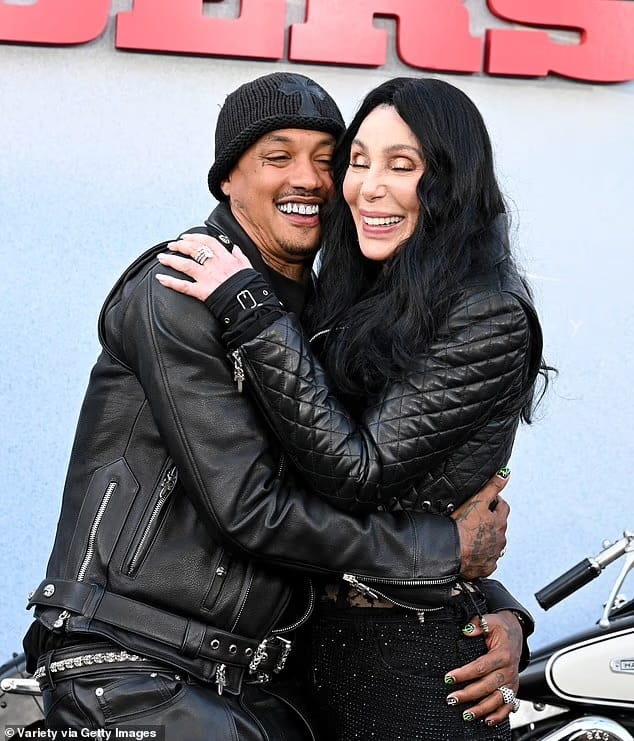
When Humans Beat the Algorithm
The couple started dating in late 2022, meeting the old-fashioned way—through mutual friends, not a carefully curated AI matchmaking system.
According to The News International, insiders say they're planning to "walk down the aisle" around Cher's 80th birthday in May.
In an era where AI-powered dating apps filter potential matches by age, location, and "compatibility scores," Cher's romance is refreshingly analog. Modern matchmaking algorithms use machine learning to predict relationship success based on demographic data. They'd instantly flag a 40-year gap as a statistical anomaly—the kind of pairing that breaks their predictive models.
But Cher and Edwards didn't meet through Tinder, Hinge, or any AI-optimized platform. They met through humans doing what humans have always done: introducing friends who click.
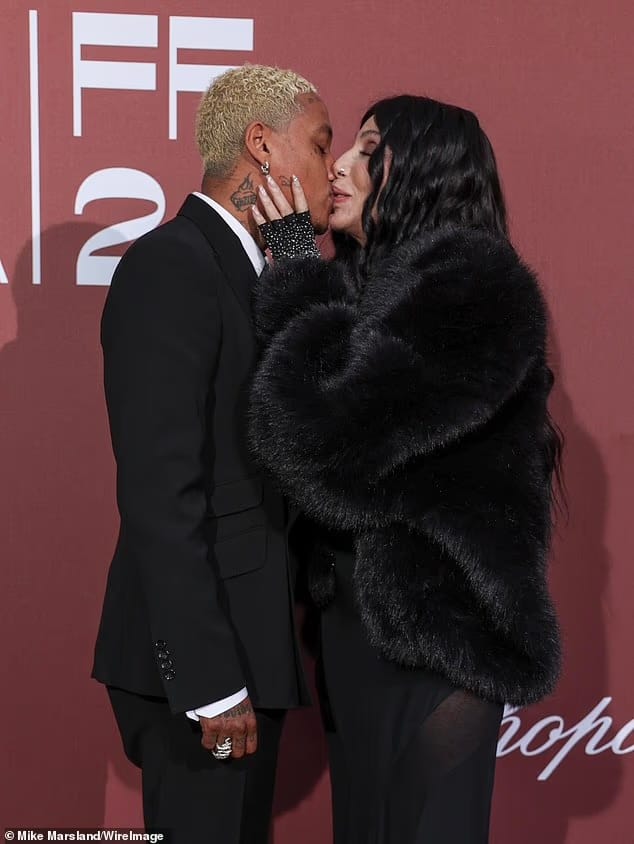
Age Is Just a Number (That AI Obsesses Over)
Cher's been clear about the criticism. "They're not living my life," she told Gayle King on CBS Mornings in November 2025. "Nobody knows what goes on between us, but we just have a blast."
Dating algorithms would flag a 40-year age gap as an outlier. They'd probably suggest "more compatible matches" within a decade of your age. Machine learning systems are trained on historical data showing that age-proximate couples have lower divorce rates. So the algorithms optimize for that pattern—and reject everything else.
But Cher's relationship highlights what automation can't capture: chemistry, shared values, humor, and genuine connection that transcends spreadsheet logic. No algorithm asks if you laugh together. No machine learning model measures how someone makes you feel.
According to NBC New York, she's repeatedly defended their relationship against public scrutiny, refusing to let data-driven judgment dictate her life.
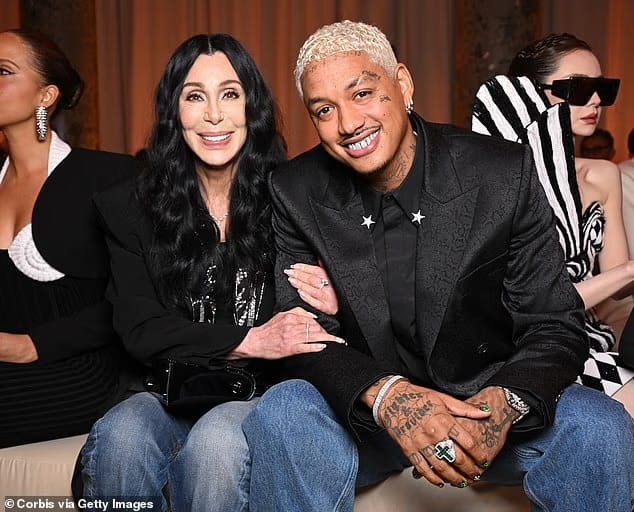
The Human Touch in a Digital World
Edwards, a music executive who shares a young son, brings energy and joy to Cher's life. She's called him "beautiful," "talented," and "one of the most talented persons I've ever met."
As AI increasingly mediates how we meet people—from dating apps to LinkedIn networking algorithms—Cher's story is a reminder that the best connections often happen outside the system.
HELLO! Magazine reports that Cher enjoys being around Edwards' son, adding another dimension to their relationship that no AI questionnaire would predict. She's not just marrying Edwards—she's embracing his whole life.
This kind of holistic human bonding—the messy, unpredictable stuff—is precisely what machine learning systems struggle to model. Algorithms work with clean data. Real relationships are chaos.
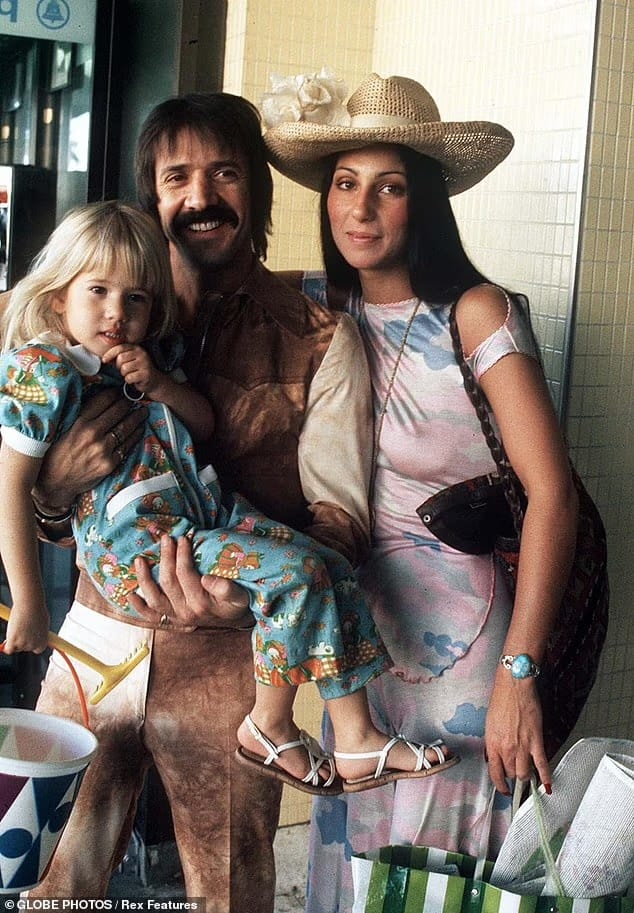
Breaking the Pattern Recognition
An insider close to the couple says Cher "does not give a hoot" about the age difference. She's ready to commit, and turning 80 feels like the perfect time to make it official.
In the future of work and relationships, we're constantly told to trust the data, optimize for efficiency, and let algorithms guide our decisions. LinkedIn suggests connections. Netflix suggests content. Dating apps suggest partners. The machines are supposed to know best.
But Cher's approach is refreshingly manual: follow your heart, ignore the haters, and don't let anyone—human or machine—tell you who you should love.
Whether the wedding actually happens remains unconfirmed. But the relationship itself is already a statement about living life on your own terms, not according to someone else's algorithm. In a world increasingly automated, that's genuinely radical.
Questions You're Asking
Is Cher really getting married?
According to reports, yes—she's planning to marry Alexander Edwards before her 80th birthday in May 2025. Nothing's officially confirmed yet, but insiders close to the couple say the wedding is in the works.
How old is Alexander Edwards?
Alexander "AE" Edwards is 39 years old. He's a music executive and A&R professional who's worked with major artists and labels. The 40-year age gap between him and Cher has been a focal point of media coverage—and exactly the kind of pairing AI matchmaking would filter out.
How did Cher and Alexander Edwards meet?
They met through mutual friends in late 2022, not through a dating app or algorithm-based platform. Their meet-cute is proof that organic human introductions can still work better than machine learning predictions.
Has Cher been married before?
Yes, multiple times. Cher was married to Sonny Bono (1969-1975) and Gregg Allman (1975-1979). This would be her third marriage if the Edwards wedding happens.
What do AI dating algorithms say about age-gap relationships?
Most machine learning models trained on historical dating data flag large age gaps as risk factors for relationship failure. They optimize matches based on demographic similarity—age, location, education level, income. Cher and Edwards violate nearly every "compatible match" parameter. Yet they're thriving, which shows the limitations of algorithm-based matchmaking.
Why does Cher defend the relationship so much?
Public scrutiny of age-gap relationships often relies on outdated assumptions and biases that algorithms have simply digitized. Cher's repeatedly stated that the couple has genuine chemistry and mutual respect, and she refuses to let external judgment—whether from humans or machines—define her love life.
Related Posts
Explore more about technology's impact on human connection and the future of relationships: