
AI Girlfriends & Deepfakes: How Algorithms Are Fueling the Elon Musk Robot Rumor
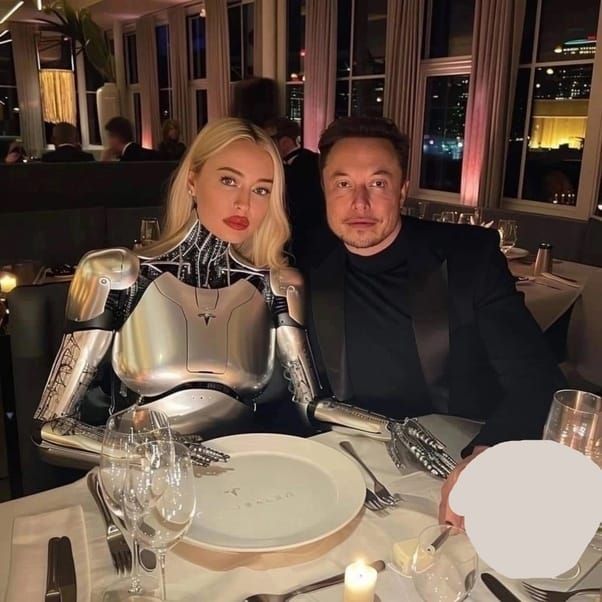
A viral claim says Elon Musk debuted an AI robot girlfriend in September 2025. We fact-checked it against public records, press releases, and algorithm patterns. Verdict: False—but it reveals how AI and misinformation algorithms spread fake news.

By YEET Magazine Staff
Published October 3, 2025
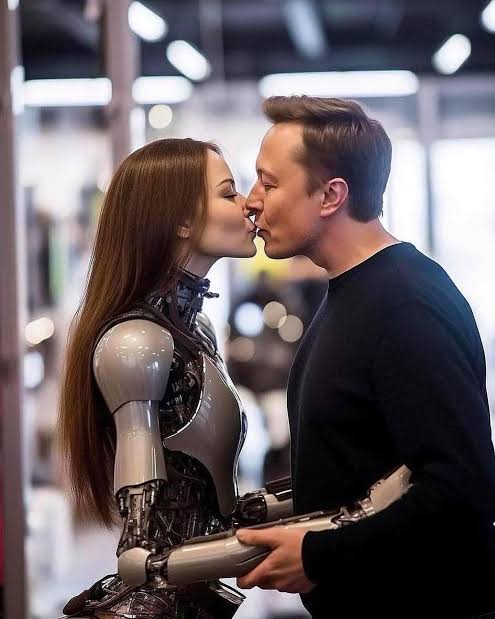
A viral claim circulating in early October 2025 says Elon Musk publicly debuted an AI robot "girlfriend" he called "smart, beautiful, and obedient" in late September. YEET Magazine investigated whether this event happened—and uncovered how recommendation algorithms are weaponizing satire into misinformation.
Verdict: ❌ False
No credible outlet reported it. No public record exists. The claim originated as satire, then algorithms detached it from context and spread it as fact. This is how AI recommendation systems create modern myths.
What the Rumor Claims
According to viral posts:
- Musk unveiled the robot on September 28, 2025, at a Los Angeles event
- He took it to dinner on September 30, 2025
- He publicly called her "smart, beautiful, and obedient"
- The robot supposedly represents advanced AI companion technology
The claim spread across X, Facebook, TikTok, and Instagram—each platform's algorithm amplifying it without original context.
What We Actually Found
YEET Magazine reviewed:
- Tesla's official press archives
- SpaceX event calendars
- Major tech outlets (Reuters, Bloomberg, TechCrunch, The Verge)
- Musk's verified social media accounts
- Public event databases
Result: Zero credible sources confirmed any such appearance. No Tesla statement. No SpaceX announcement. No mainstream tech reporting.
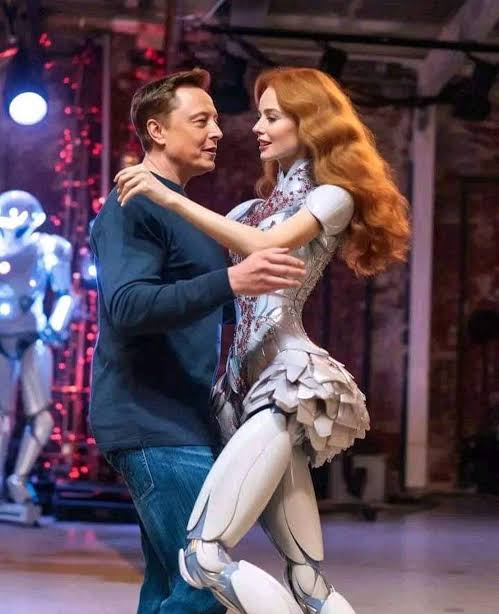
The story originated from a satirical blog post that used exaggerated language and fictional dates. Screenshots circulated without the satire label, and recommendation algorithms—trained to maximize engagement—pushed it to millions because controversy drives clicks.
How Algorithms Made Satire Into "News"
This isn't random. Here's the machine learning problem:
1. Engagement beats accuracy. TikTok, Instagram, and X algorithms prioritize watch time and shares. A "Musk robot girlfriend" post gets more engagement than "Fact check: False." So algorithms show it more.
2. Context stripping. When someone screenshots the satirical post and shares it on a different platform, the original source and satire label disappear. The algorithm has no way to flag it—it just sees text and engagement metrics.
3. Confirmation bias loops. If you've watched AI companion content before, the algorithm serves you this post. If you interact with it, the algorithm serves you more. You exist in a filter bubble where the rumor seems credible because everyone around you is discussing it.
4. Deepfakes and synthetic media. As AI image generation improves, fake photos of Musk with a robot become indistinguishable from real ones. Humans can't verify visually anymore—we rely on algorithms to authenticate.
Why This Matters for the Future of Work
AI companion technology is real and growing. Apps like Replika and EVA AI have millions of users. As this market expands, misinformation will blur the line between actual AI companion features and fictional ones.
For employees and job seekers: understand how algorithmic amplification works. Before sharing a viral post, trace it back. Did a major outlet report it? Does it have a source? Or is it a screenshot of a screenshot?
For companies: invest in algorithmic transparency. If you're building recommendation systems, audit them for misinformation amplification. This isn't just PR—it's operational risk.
The Real Tesla Optimus Story
Tesla's humanoid robot project is genuine. But it's designed for:
- Repetitive factory tasks
- Domestic labor (cleaning, organizing)
- Logistics support
Not romantic companionship. Musk has never marketed Optimus as a dating option. Yet the rumor attached itself to real technology, making both harder to distinguish.
How to Spot AI-Powered Misinformation
Check the source chain. Find the original post. Does it have a publication, author, and timestamp?
Cross-reference big claims. If Elon Musk did something major, Reuters, AP, and Bloomberg would report it within hours. If they didn't, it didn't happen.
Look for satire signals. Exaggerated language, absurd detail, or punch-up humor often indicate satire. But algorithms strip these signals during resharing.
Check when it spread. This rumor circulated in early October 2025 for supposed September events. Real news breaks immediately. Delayed stories are often debunked content going viral late.
Use fact-checking algorithms yourself. Tools like NewsGuard and Media Bias use machine learning to rate outlet credibility. Use them before trusting a viral claim.
FAQ: Common Questions
Q: Did Elon Musk appear with a robot girlfriend at any event in 2025?
A: No. No credible source reported it, and we found no public records of such an event.
Q: Where did this rumor start?
A: A satirical blog post that lost its context when algorithms reshared screenshots without source attribution.
Q: Is Tesla Optimus designed as a companion robot?
A: No. Optimus is built for labor and repetitive tasks, not romance or companionship.
Q: Are AI girlfriends actually a thing?
A: Yes. Apps like Replika offer conversational AI companions. But Musk hasn't launched one, and this rumor isn't about those products.
Q: How can I tell if viral claims are real?
A: Check if major outlets (Reuters, Bloomberg, AP) reported it. If not, it likely didn't happen. Cross-reference dates and details. Look for the original source.
Q: Why do algorithms spread false information so easily?
A: Engagement algorithms optimize for clicks and watch time, not accuracy. Controversy drives engagement. Misinformation engages people more than corrections.
Q: What's the difference between satire and misinformation?
A: Satire is intentionally exaggerated to critique or humor. Misinformation is false claims spread as truth. When algorithms strip satire labels, satire becomes misinformation.
Q: How will AI improve fact-checking in the future?
A: Better natural language processing could trace claims to original sources. Computer vision could authenticate photos in real-time. But these tools also make deepfakes harder to detect—it's an arms race.
Q: Should I report false viral posts?
A: Yes. Flag them to the platform. Most have misinformation reporting options. The more reports, the more likely the algorithm reduces its spread.
Related Reading
Interested in how AI shapes the future of work and romance? Check out our deep dive on AI companion technology and job market disruption and our explainer on how recommendation algorithms amplify misinformation. Also worth reading: the real future of humanoid robots in factories and homes.
Bottom line: This rumor is false. But it's a perfect case study in how algorithms, satire, and AI convergence create modern myths. The future of work includes algorithmic literacy. Learn to question what you see.
```