Google's AI-Powered Management Purge: Why Replacing 35% of Managers with Automation Could Backfire
Google is slashing 35% of middle management, relying on AI tools to automate scheduling, reporting, and performance tracking. But can algorithms really replace human mentorship, creativity, and leadership judgment?

By Paola Bapelle – Senior Writer at YEET Magazine | www.yeetmagazine.com
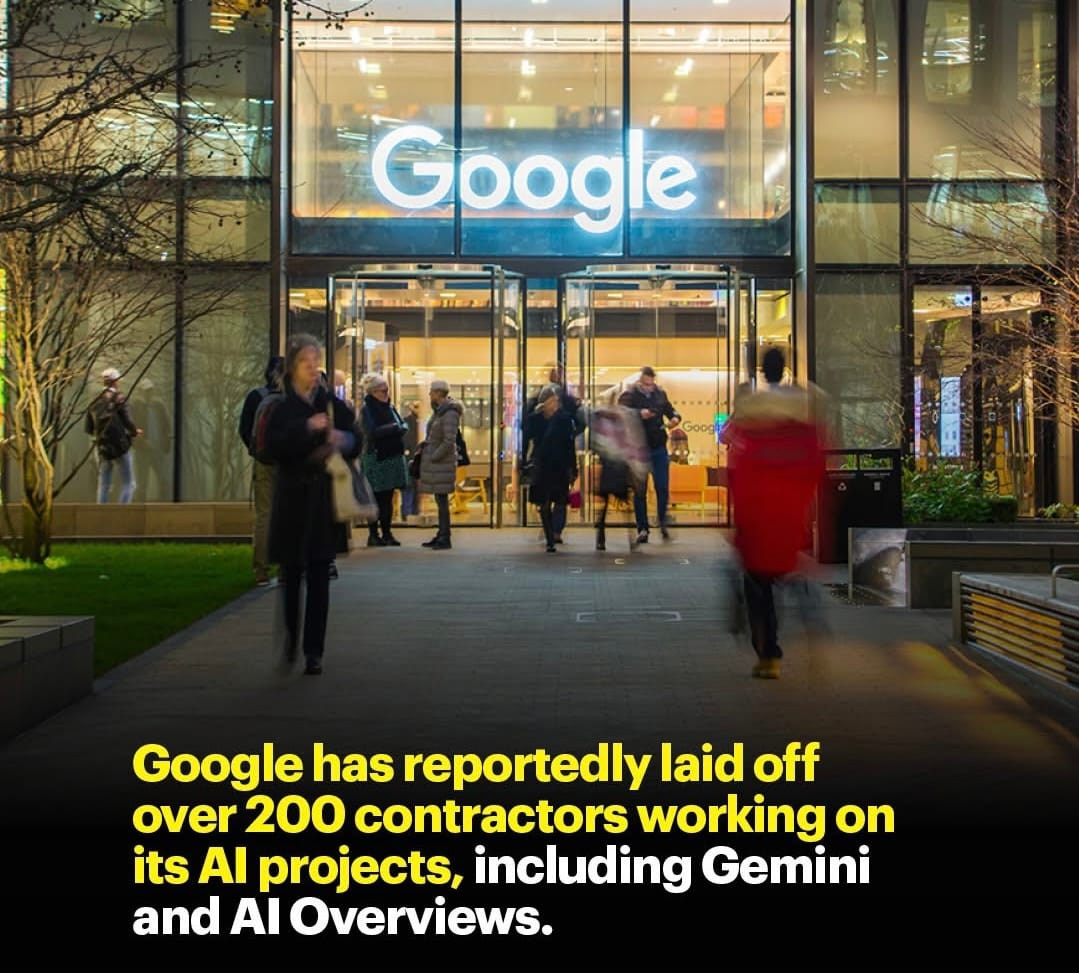
Google is eliminating 35% of its middle management layer, betting that AI automation can replace human oversight. But here's the problem: algorithms can track metrics and schedule meetings—they can't mentor talent, make creative decisions, or inspire teams. With 12+ direct reports now per remaining manager, Google's experiment in machine-driven leadership could tank morale, slow innovation, and ultimately cost them more than they save.
"It's a radical move," said a former Google executive to The New York Times. "Middle managers may be unpopular, but cutting them this deep will have ripple effects across the organization."
Bloomberg reports that the restructuring impacts 35% of middle management, leaving teams with over 12 direct reports per manager—a ratio Harvard Business Review warns is unsustainable. Their research shows that "spans of control beyond 12 direct reports reduce effectiveness, delay decisions, and increase burnout."
Why Google Is Betting on AI Over Humans
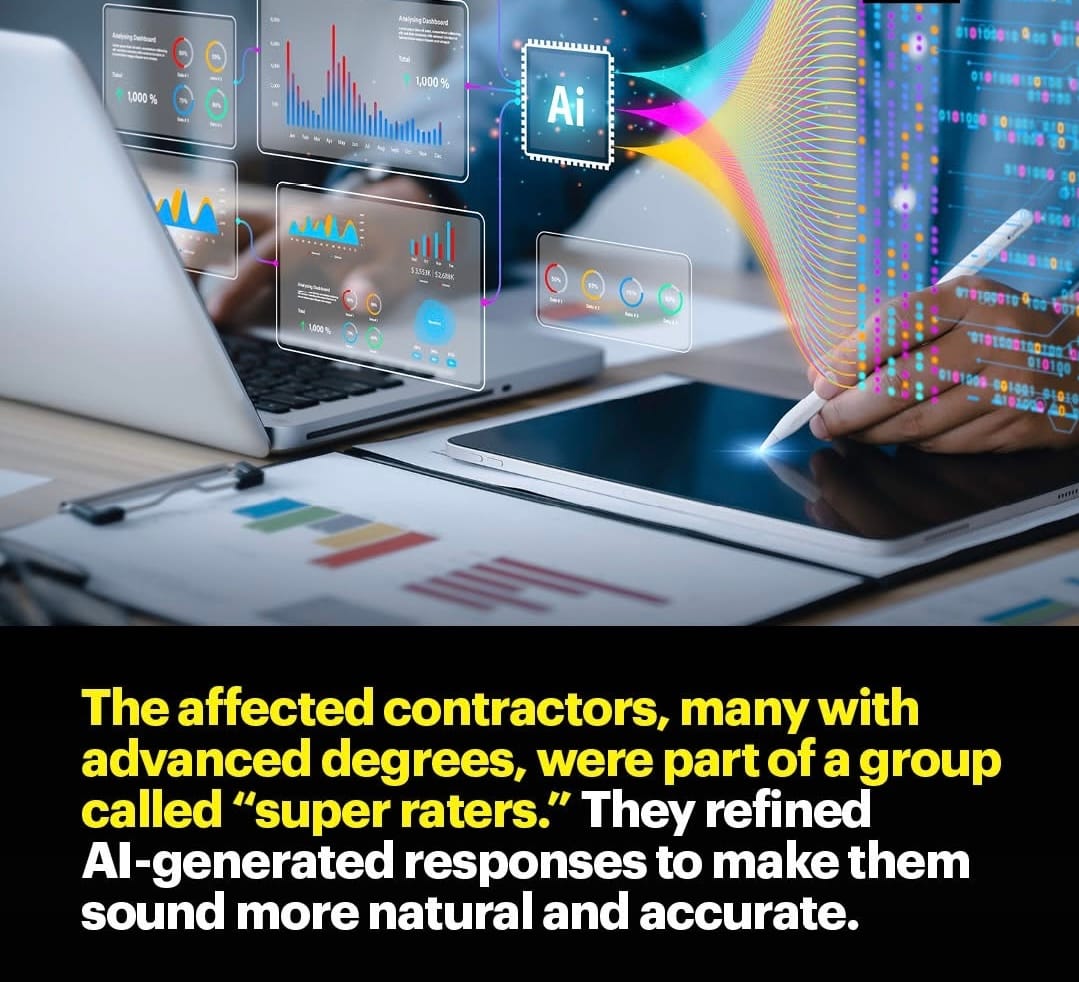
The strategy is straightforward: AI tools now handle scheduling, reporting, performance reviews, and data analysis. Why pay humans to do what algorithms can do faster and cheaper?
Machine learning systems can track productivity metrics, flag underperformers, and generate performance reports without bias or fatigue. On paper, it looks efficient.
But here's where the plan gets messy: algorithms optimize for measurable outputs, not human outcomes. They can't spot burnout before it happens. They can't recognize hidden potential in quiet team members. They can't navigate the gray areas where real leadership lives.
The Short-Term Math (That Looks Good on a Spreadsheet)
Immediate wins are real:
- Cost savings on middle manager salaries and benefits hit the P&L immediately.
- Wall Street applause—investors reward headcount cuts, at least temporarily.
- Flatter hierarchy can speed up some decisions if teams stay engaged.
This is textbook tech industry playbook: cut costs during uncertain times, boost margins, announce "efficiency gains."

The Long-Term Damage (That Doesn't Show Up Until Too Late)
But management cuts historically backfire. Here's what usually happens:
Talent exodus: Top performers leave when they realize growth opportunities are gone. You can't get mentorship from an algorithm.
Decision paralysis: Overloaded managers can't give projects the attention they need. Critical decisions get delayed.
Culture collapse: Without human managers building team cohesion, knowledge-sharing slows. Silos form.
Innovation death: The breakthroughs happen in one-on-one conversations, hallway chats, and real mentorship. AI-optimized workflows don't create those spaces.
Studies on past tech layoffs show a pattern: companies save money in year one, lose competitive advantage by year two, and spend year three hiring back (at higher salaries) to fix the damage.
What Google (and Others) Are Missing
There's a difference between automating management tasks and automating management itself.
Good managers do automate the grunt work—calendars, reports, data crunching. That's where AI wins. But they also do things no algorithm can: build psychological safety, unlock creativity, spot potential before it's obvious, and make judgment calls that data alone can't answer.
Removing middle managers while keeping AI isn't optimization. It's replacing judgment with metrics.
The Real Future of Work
The smarter play? Keep managers. Automate their paperwork.
Use AI to free up manager time from meetings and reporting so they can focus on people. Reduce spans of control (not increase them), not because it's cheaper, but because it actually works.
Companies that thrive in competitive tech markets need human judgment, mentorship, and culture. Those aren't costs to cut—they're competitive advantages worth protecting.
Google's move might look smart on a quarterly earnings call. But in 18 months, when top talent has scattered and innovation slows, they'll realize they automated away the one thing algorithms can't replace: leadership.
Common Questions
Won't AI tools like ChatGPT and machine learning eventually replace middle managers entirely?
Not entirely. AI is excellent at information processing, scheduling, and pattern recognition. But management requires emotional intelligence, contextual judgment, and the ability to develop human potential. These remain distinctly human skills. The future isn't AI managing people—it's people using AI to manage better.
Is 12+ direct reports really that bad for productivity?
Yes. Research consistently shows that beyond 8-10 direct reports, manager effectiveness drops sharply. Decision-making slows, employees feel neglected, and quality suffers. Google is betting this won't apply to them, but human psychology doesn't change based on stock price.
What about smaller companies automating management? Can they succeed this way?
Startups that scale too flat, too fast often fail. They miss cultural issues until they're crises. Automation helps early on, but once you hit 50+ employees, you need actual management structure. There's no shortcut.
Could Google reverse this if it goes wrong?
Technically yes, but the damage would already be done. Top talent doesn't wait around. Once they leave, rebuilding team cohesion takes years and costs way more than the initial savings.
Related Reading
Curious about how automation is reshaping work across industries? Check out our piece on how AI automation is changing job markets, or explore what the future of work actually looks like. Want to understand what makes humans valuable in an automated world? Read our deep dive on skills AI can't replace.
```