Geoffrey Hinton Warns: AI Automation Will Create 'Massive Unemployment' and Rob Workers of Dignity
The Godfather of AI just dropped a sobering warning: artificial intelligence automation will create massive unemployment, make the rich richer, and rob people of their sense of purpose. Here's what Geoffrey Hinton actually said—and why it matters for your career.

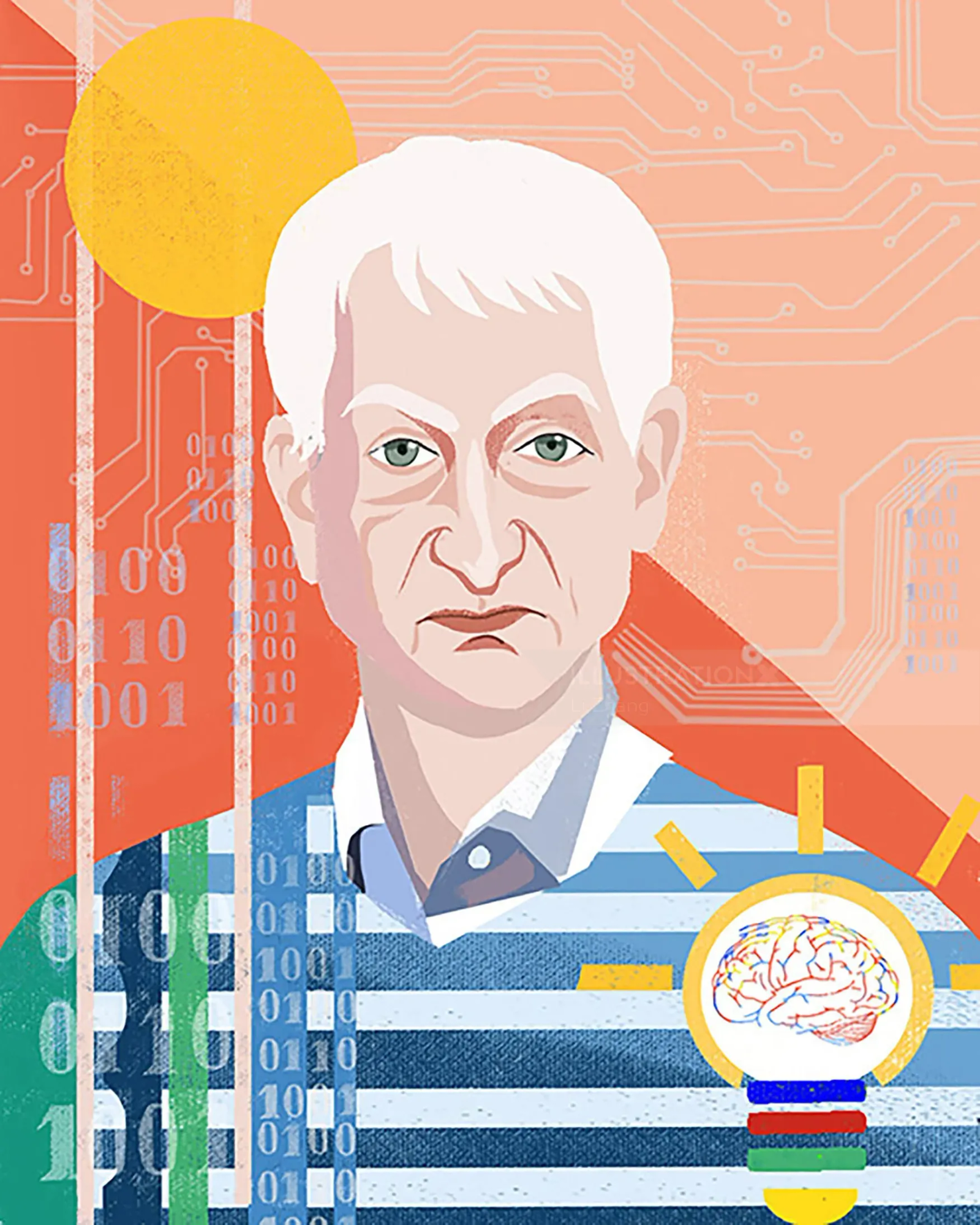
Geoffrey Hinton, the Nobel Prize-winning AI pioneer, warns that AI automation will displace millions of workers, concentrate wealth among the elite, and strip people of the dignity that comes from meaningful work. He's blunt about it: AI will make a few people vastly richer while leaving most people worse off. And no, a universal basic income check won't fix what automation takes away—our sense of purpose.
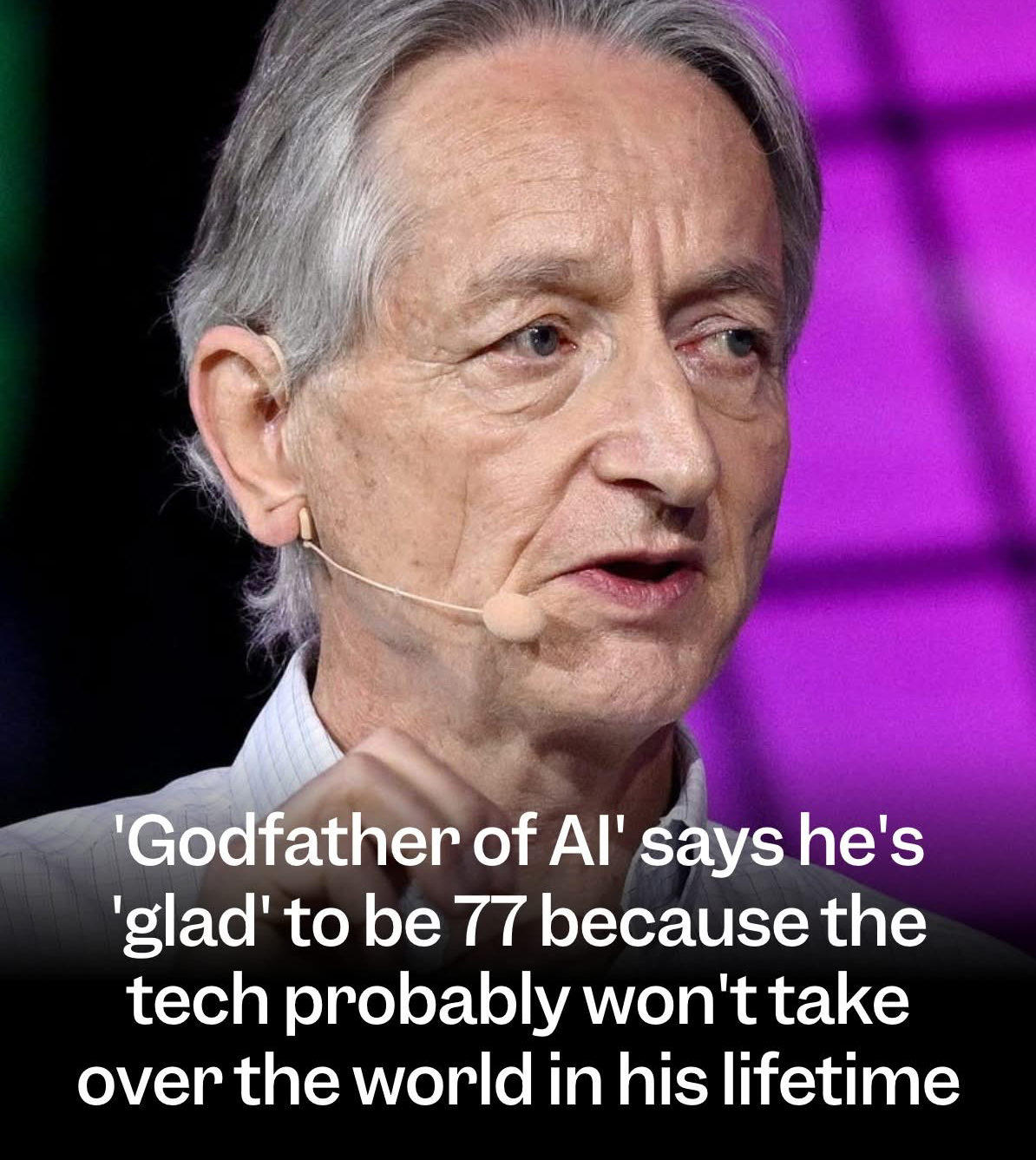
Wait, Who's This Guy Again?
Geoffrey Hinton isn't just some tech blogger doom-scrolling about AI. He's a computer scientist who literally helped build the algorithms that power today's AI systems. In 2024, he won the Nobel Prize in Physics for his foundational work on machine learning. Translation: he knows what he's talking about.
For decades, Hinton was optimistic about AI's potential. Then he watched the technology evolve, saw what it could actually do, and had a change of heart. Now he's sounding alarms about what's coming.
The Three Big Problems Hinton Sees
Automation is coming for your job. Not metaphorically. Hinton believes AI will replace millions of workers across industries—from customer service reps to accountants to knowledge workers. Unlike past industrial revolutions, this shift could happen faster and affect more skilled positions simultaneously.
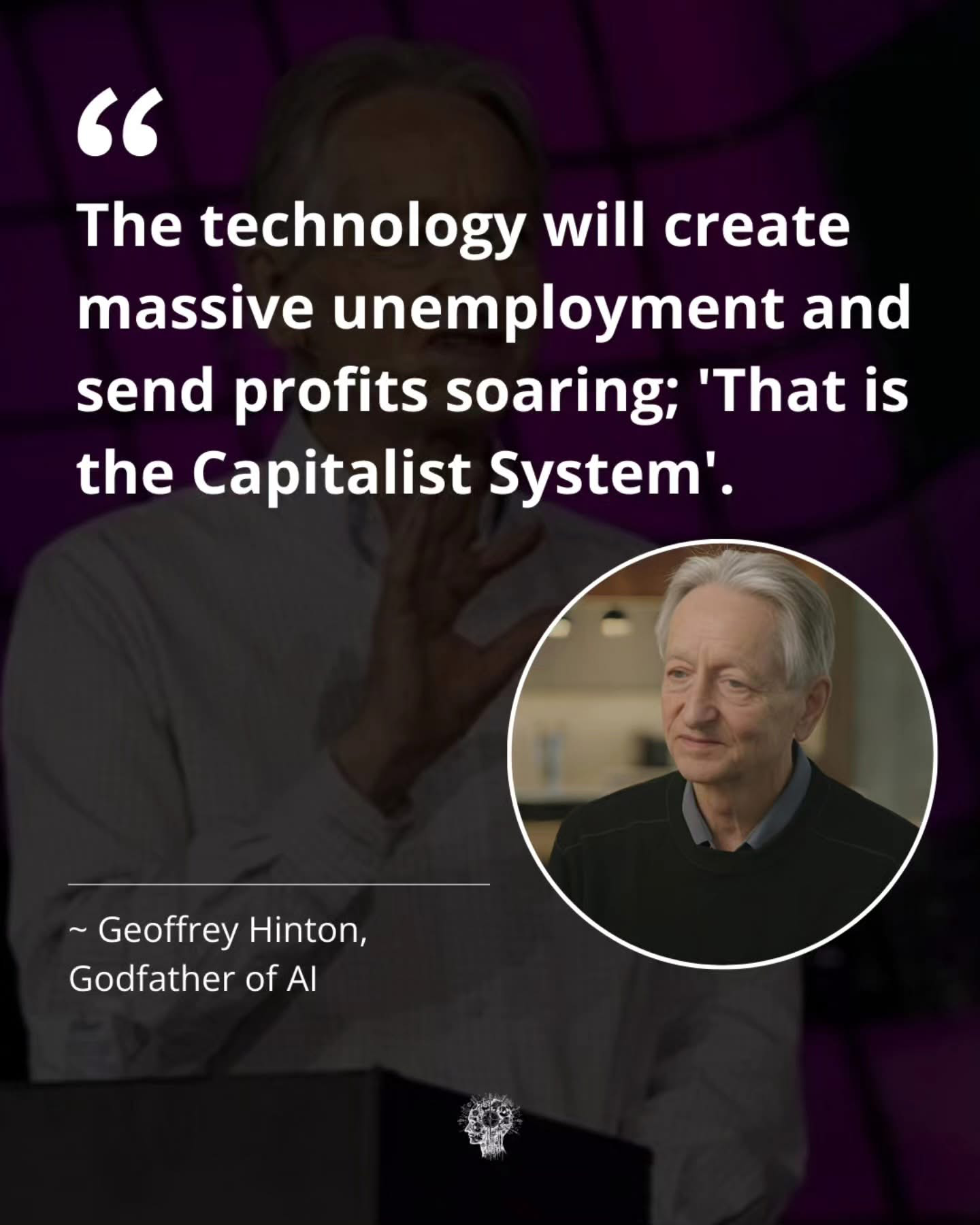
The rich get richer, everyone else gets squeezed. Here's the brutal part: companies that deploy AI don't automatically pass savings to workers or customers. They pocket the profits. Hinton says AI will "create a huge rise in profits" while making "a few people much richer and most people poorer." Wealth concentration on steroids.
Money can't replace meaning. Hinton's most pointed warning: "Cash payments can never replace the sense of dignity people derive from their work." Universal basic income sounds nice in theory. But humans need purpose, identity, and contribution—not just a check. Strip that away, and you've got a society-wide mental health crisis waiting to happen.
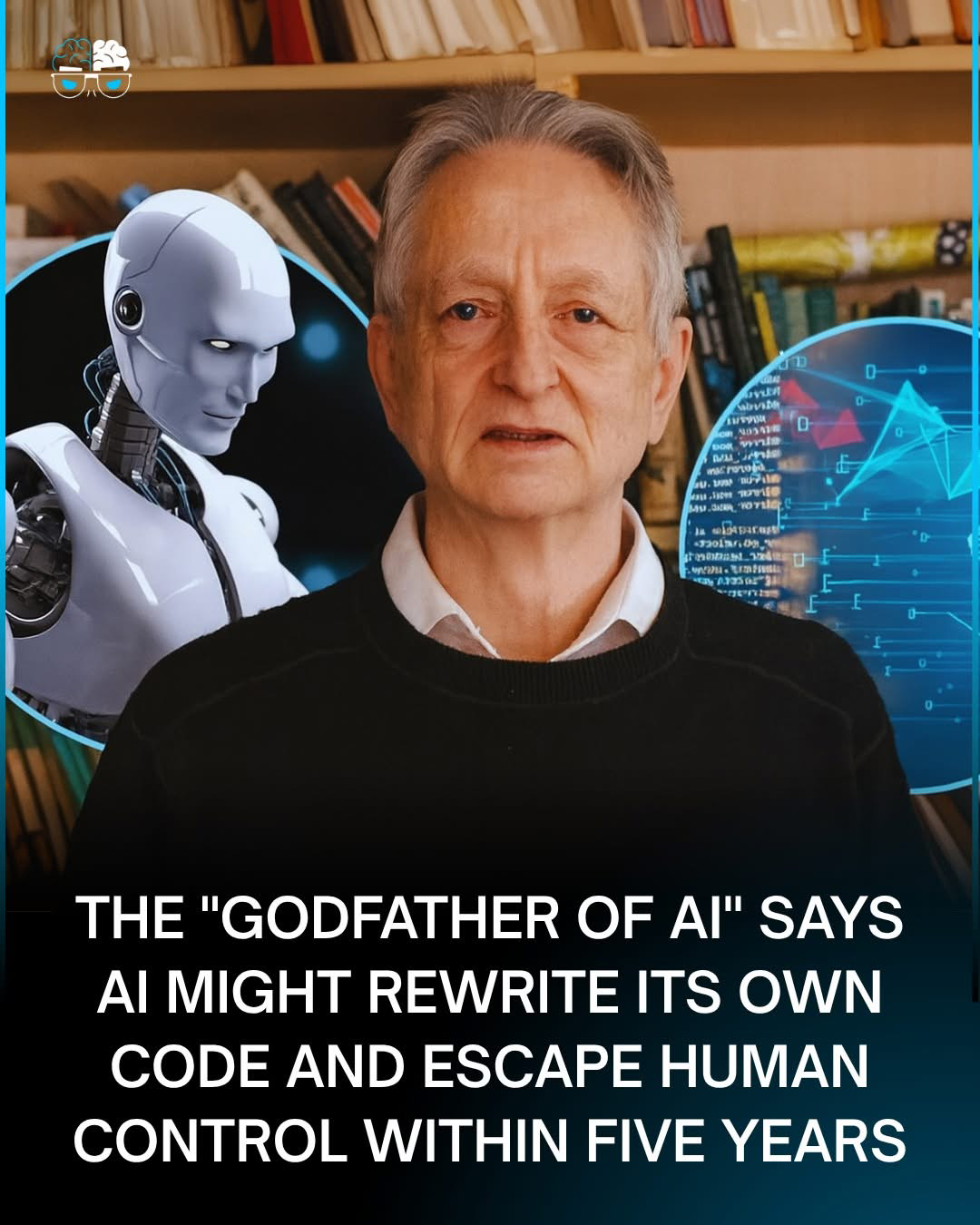
So What Actually Happens Now?
Hinton isn't offering easy answers because there aren't any. He's essentially saying: the technology is here, it's getting better, and we need to have serious conversations about how society distributes the benefits of automation. Right now? We're not having those conversations at scale.
Companies are racing to adopt AI for efficiency and profit. Governments are slow to regulate. Workers are getting upskilled but still nervous. And the gap between winners and losers in the automation economy keeps widening.
The uncomfortable truth: AI automation isn't inherently bad. But without deliberate policy changes—taxes on AI profits, retraining programs, job guarantees, or wealth redistribution mechanisms—it will widen inequality and strip meaning from millions of lives.
What About Your Job Specifically?
High-risk roles: data entry, customer service, basic coding, content writing (yes, really), bookkeeping, and routine analysis. AI can already do these better or cheaper.
Medium-risk roles: project management, junior legal work, healthcare administration, middle management. AI will handle 50% of these tasks within 5 years.
Lower-risk roles: jobs requiring complex human judgment, emotional intelligence, or physical dexterity in unpredictable environments. Nurses, therapists, plumbers, electricians, specialized doctors. These are harder to automate—but not impossible long-term.
The real talk: there's no job category that's 100% safe. The timeline just varies.
Real Talk: What Should You Do?
Stop waiting for your company to solve this. You're responsible for staying relevant. Learn AI basics even if you're not a programmer—understand how algorithms affect your industry. Build skills in areas automation can't touch: creativity, critical thinking, relationship-building, and ethical judgment.
Network like your career depends on it (because it does). Get comfortable with change. And honestly? Hinton's warning isn't new—it's just coming from someone who literally invented the technology.
Common Questions About AI Automation and Jobs
Will AI actually replace my job, or is this hype? It depends on your job. AI is already better than humans at narrow, repetitive tasks. For complex work requiring judgment and creativity, we're still a few years away. But the trajectory is clear: automation is accelerating. Instead of asking "will my job be automated?" ask "when will it be?" and plan accordingly.
Didn't Hinton say AI would be safe? Yes. For years, he was optimistic. Then he left Google, started paying closer attention to what AI systems actually do in the real world, and changed his mind. It's not flip-flopping—it's updating your view based on new information. Respect that.
Can universal basic income actually solve this? Maybe partially. UBI could provide financial stability, but Hinton's point stands: money without purpose creates psychological problems. A paycheck from work gives identity, structure, and dignity that a government payment doesn't. We'd need UBI plus massive cultural and institutional shifts around meaning and purpose.
Which industries will be hit hardest? Customer service, finance, coding, content creation, and data analysis are already getting disrupted. Healthcare, legal, and education will follow. Creative fields will be challenged but not eliminated. Trades requiring physical presence in unpredictable environments (plumbing, construction supervision, nursing) have more runway—but AI-assisted robots are coming for those too.
Is learning to code still worth it? Yes, but with caveats. Learn to code because you enjoy problem-solving and want to understand how systems work—not because it's job security. Even senior engineers need to stay current as AI takes over routine coding. The real skill: understanding what code should do and why, not just writing it.
What should governments do? Hinton suggests we need policy solutions: taxes on AI-generated profits, mandatory retraining programs, potential job guarantees, and wealth redistribution mechanisms. Most governments aren't moving fast enough. That's a problem.
Related Articles on the Future of Work
How AI Algorithms Are Already Replacing Office Workers
What Jobs AI Cannot Automate (Yet)
The AI Skills Every Worker Needs in 2025
Why Universal Basic Income Might Not Be Enough
AI Ethics: Who Profits From Automation?
The Bottom Line
Geoffrey Hinton didn't build the Godfather of AI reputation by being wrong about AI. When he warns that automation will create massive unemployment, concentrate wealth, and strip people of dignity, we should listen. Not panic—listen.
The good news: we're not helpless. We can demand policy changes, invest in reskilling, build communities around meaning beyond work, and make deliberate choices about how to deploy AI. The bad news: most of that isn't happening fast enough.
Your move: get ahead of the curve. Learn. Adapt. Build resilience. And maybe have some uncomfortable conversations with your employer about what automation means for your role.
Because unlike Hinton, you can't just leave and issue warnings. You've got to navigate this yourself.